Car keys · Cachet
Key Fob Programming in Cachet
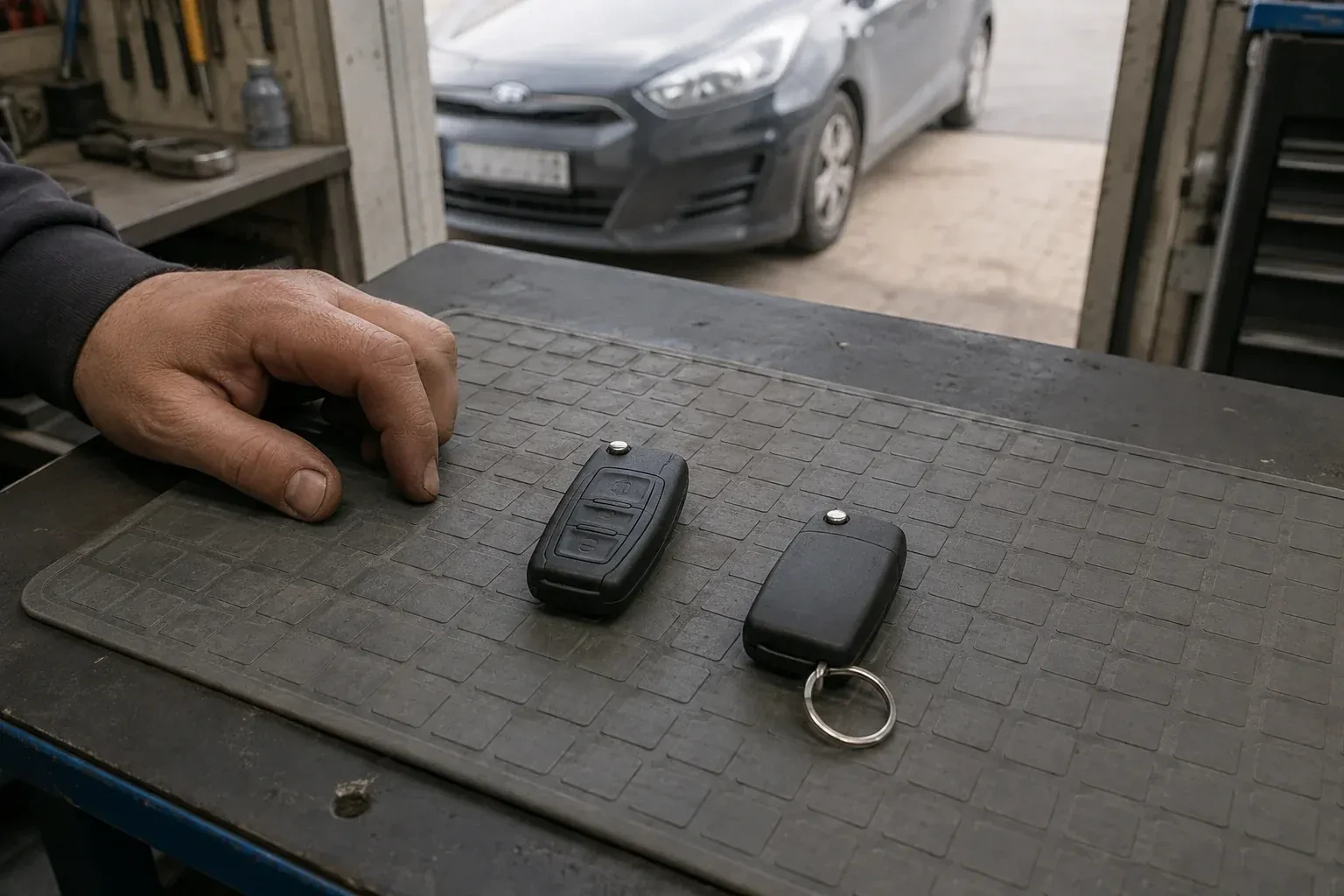
Buttons on the fob still light up and the remote still clicks, but the vehicle refuses to start even with the fob sitting in the cupholder.
In plain words
Underneath the plastic case, a fob is a small radio and, on most modern vehicles, a chip the immobilizer reads before allowing the engine to start. Programming has to satisfy both halves: the buttons that lock and unlock, and the hidden authorization that lets the key turn the engine over. A fob that only handles one half explains why some buttons keep working while the vehicle still refuses to start, and programming addresses whichever half was never registered correctly.
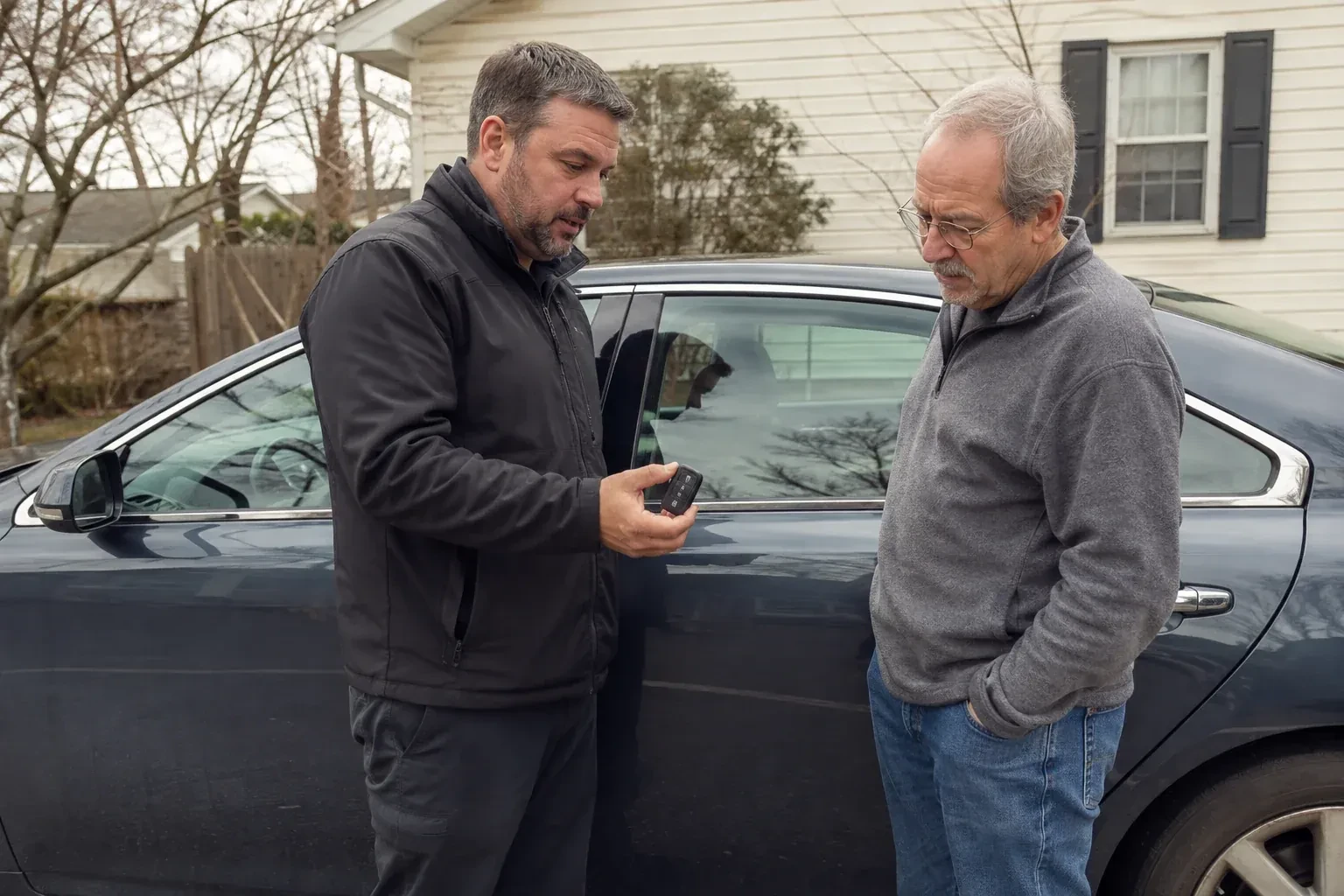
How the visit goesThe car changed hands last week, and the paperwork included exactly one fob for a household with two drivers. Somewhere in a previous owner's kitchen drawer sits a second one that never made the trip, and neither person has any way to reach it now.
Key Fob Programming
How the visit goes
Is the new fob actually compatible
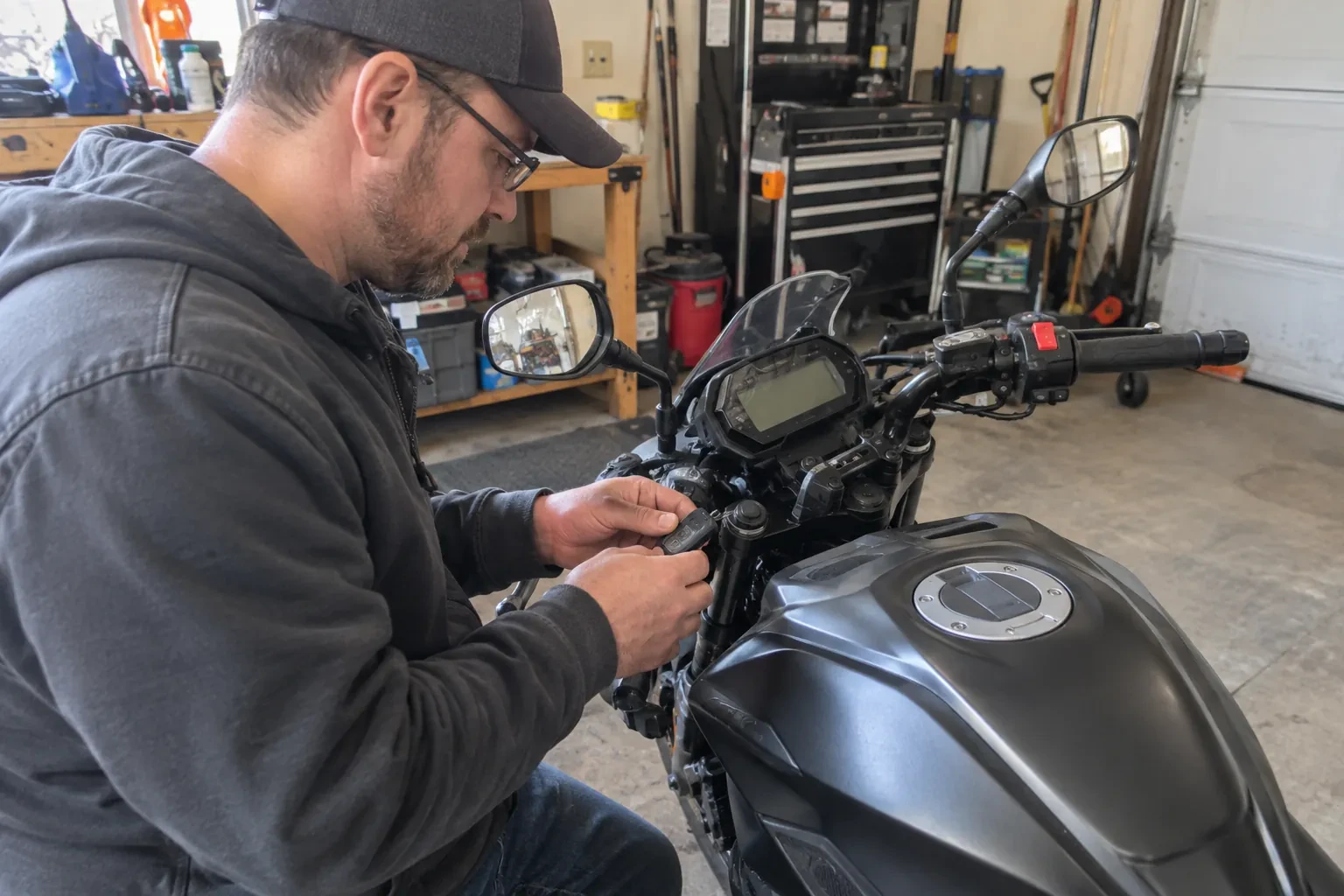
Not every fob that looks right for a given maker will actually register onto every vehicle that maker sold. A used or aftermarket fob is checked against the vehicle's identifying information and against what that fob's own hardware supports, since a mismatched chip or the wrong frequency sits unable to register no matter how patiently it is tried. Settling this before ordering parts or beginning the procedure avoids arriving at a dead end partway through, and confirms the household is paying for a fob that will actually work.
Starting over when nothing is left to vouch for a new fob
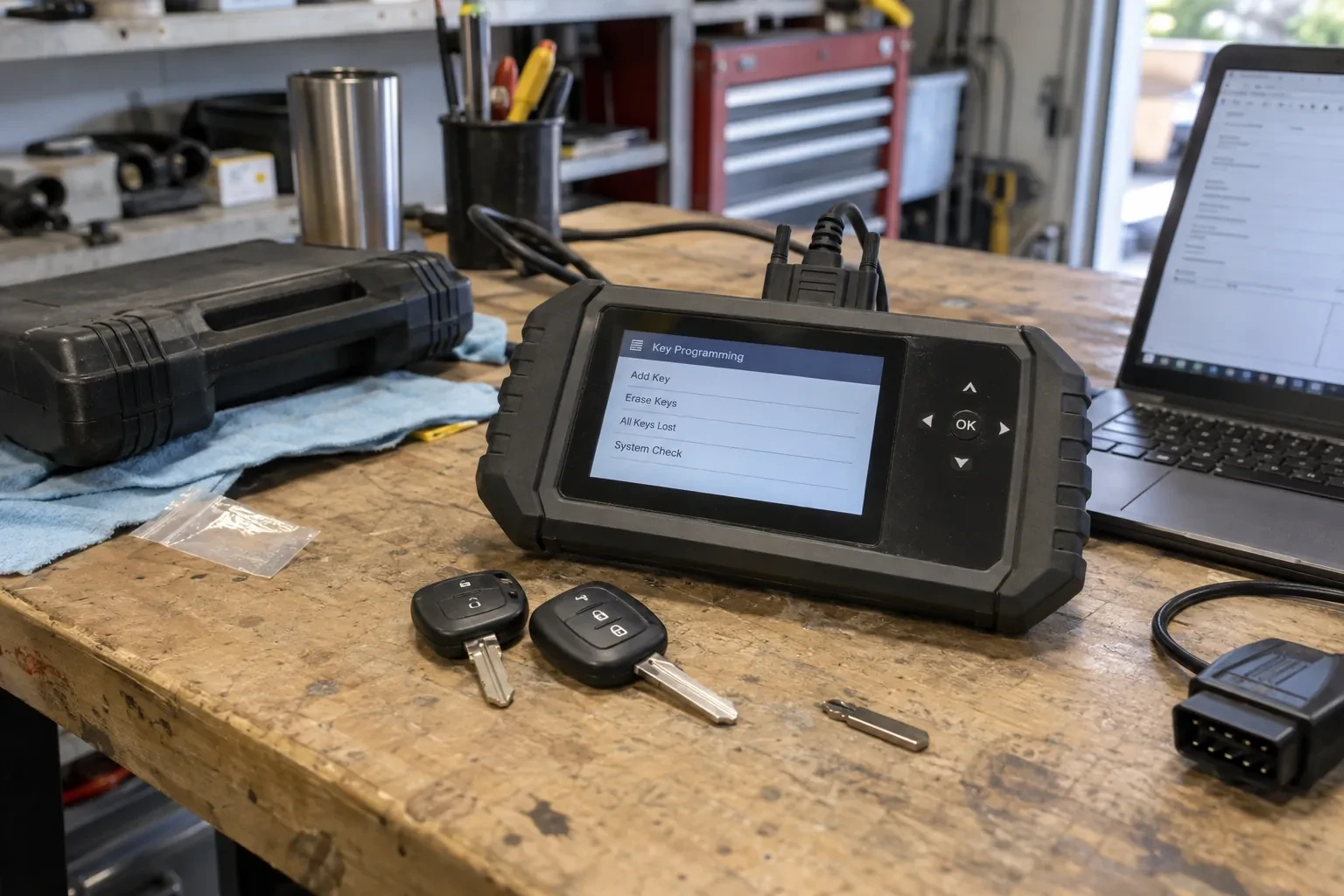
When every fob for a vehicle is genuinely gone, the procedure follows that vehicle's own route: on many systems nothing already accepted remains to authorize a new one, so the key memory is reset before anything is added back, while some vehicles instead accept an authenticated app or manufacturer service credential without a full reset. Depending on the manufacturer, a reset may need a security code tied to that vehicle, a dealer-level system, or an approved access pathway built for exactly this situation. Once the reset completes, a full new set of fobs is registered and tested, and the vehicle no longer recognizes anything that existed beforehand.
Looking after the fob you just received
A programmed fob deserves the same basic care as the one it replaced: keep it away from standing water, avoid dropping it onto hard floors from any height, and swap the coin-cell battery before it fails completely rather than after the remote has already gone dark. Most owner's manuals list the exact battery size and a short procedure for opening the case, and following that rather than guessing keeps the seal and the buttons intact for years of ordinary use.
Key Fob Programming
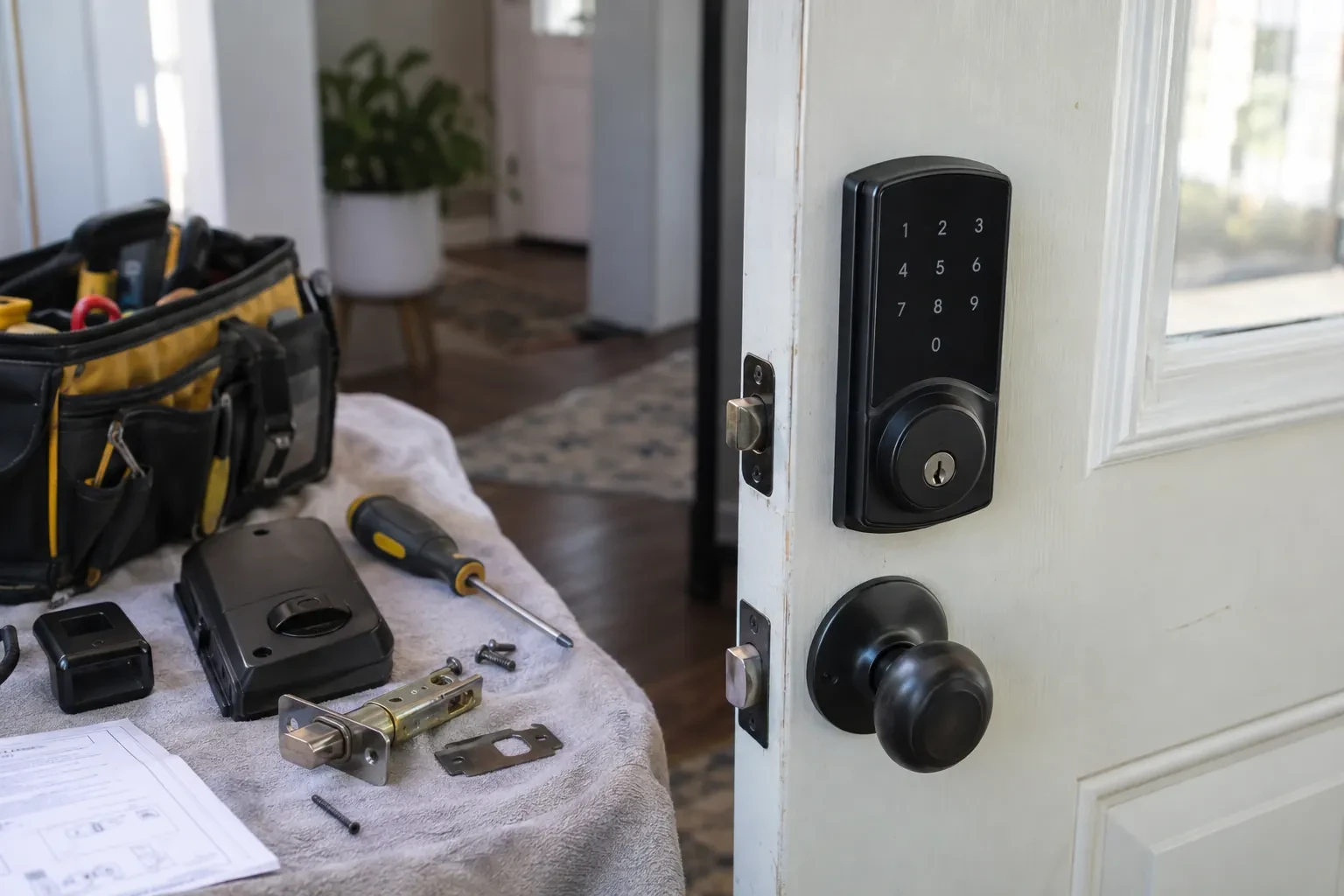
In the van
Precision case-opening tools
Contact cleaner and small brushes
Replacement or supplied key fob
Vehicle-specific key programmer
Coin-cell fob battery
Key Fob Programming
What affects the quote
Battery and hardware needs uncovered during the visit
A fob that turns out to need only a battery or a replacement shell, once opened and examined, is a smaller job than full electronic replacement, and the quote adjusts to reflect what was actually needed.
Whether the vehicle has been worked on before
Prior attempts at programming, a fob that has already been opened, or settings that already look altered can add time to confirming the vehicle's current state before new work proceeds.
New fob versus an eligible reused one
A brand-new fob sourced for the visit is priced differently than programming a used or reused fob the household already owns, once that fob has been confirmed compatible with the vehicle.
What to have ready
- Is a new driver being added to the vehicle's key list?
- Does the car currently start with the fob you have?
- Is this a remote, a transponder key, or a proximity fob?
Key Fob Programming: questions
QuestionsWhat is the difference between a remote, a transponder key and a proximity fob?
A basic remote only operates the locks and alarm from a distance while a separate metal key still starts the engine. A transponder key combines a cut blade with a chip the immobilizer reads before allowing a start. A proximity fob goes further: it authorizes entry while it is nearby, though most vehicles still need the handle touched, gripped or pressed to actually unlock, and it starts the engine with a push button, with no key insertion needed day to day. Each type is programmed differently.
Is fixing a lost key different from just adding a spare?
Yes. Adding a spare while every existing fob still works only involves registering the new one. A lost key involves that same registration plus removing the missing fob's authorization following that vehicle's own procedure, since leaving it active means whoever has it can still use it; some vehicles also relearn the fobs you keep, and a mechanical blade in the lost fob is ruled out by rekeying the matching lock. The two situations share a first step but not a last one.
Does key fob programming use my car's diagnostic port?
On most vehicles, yes. The same connection point used for other vehicle diagnostics is typically how a fob's registration procedure communicates with the car's onboard systems. A few older or simpler key systems are programmed through a different in-car sequence instead, which is one more reason the vehicle's year and model are checked before the procedure begins.
Related services
- Car Key ReplacementAfter fifteen years the blade has worn to a smooth sliver.
- Spare Car Key DuplicationThe paperwork for the used car changed hands last week, and the previous owner mentioned, almost as an afterthought, that a second key never turned up.
- Transponder Key ProgrammingEvery key that ever opened the car is gone at once, one taken with a stolen bag, the spare misplaced months ago and never replaced.