Change or rekey · Markham
Lock Rekeying
One key for the front door, another for the back, a third for the side door into the garage, and a fourth for the shed.
In plain words
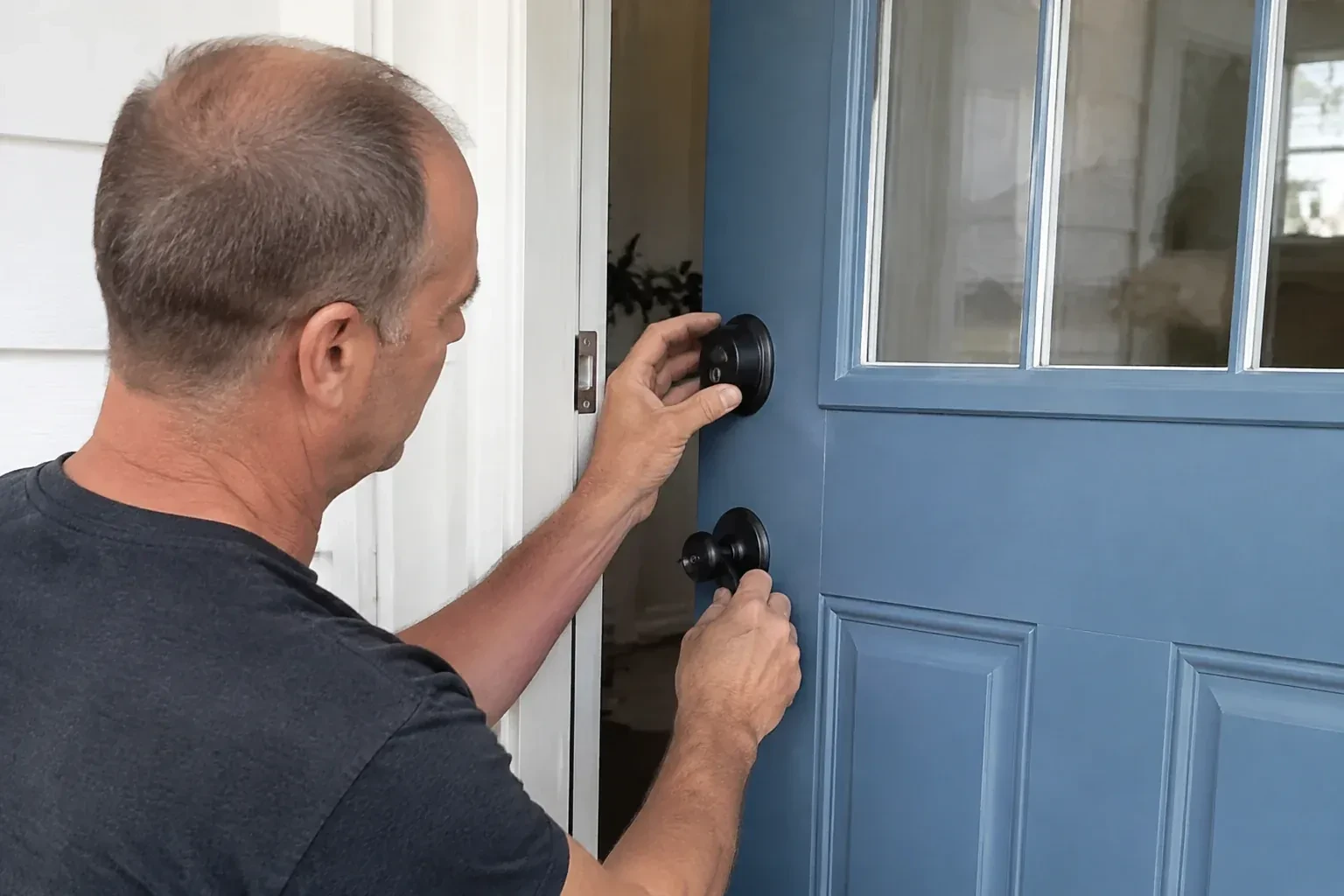
A rekeying visit follows a straightforward order. First the locksmith confirms you are entitled to change the locks, which for an owner is identification and for a tenant includes the landlord's agreement. Next comes a walk around the house to list every door to include, read the keyway on each cylinder and check its condition. The cylinders come out one at a time, are pinned to the new key and go back in. Every door is then tested with the new key and with the old one, spares are cut and tried in each lock, and you receive a note of what was done.
How the visit goesThe whole key ring went missing somewhere between the grocery store and the bus. You got back in with the spare, but a set of keys is out there, and you would sleep better knowing they open nothing.
Inside the lock
What a rekey changes
01
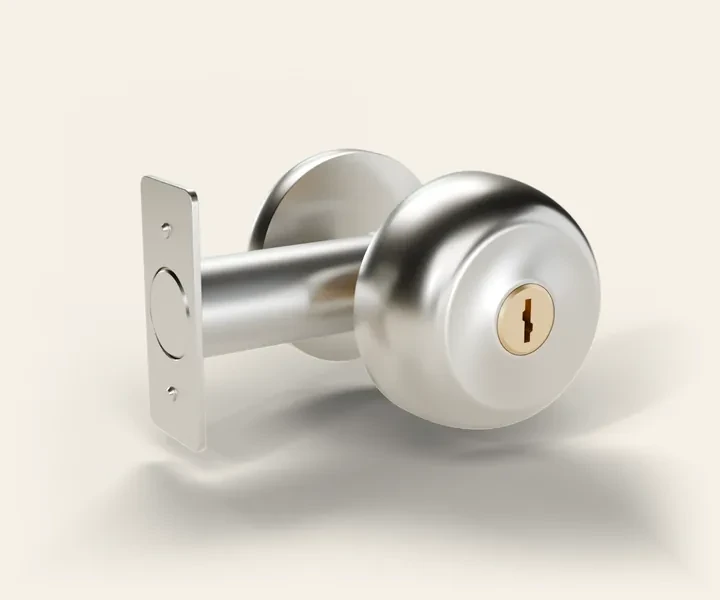
The lock you already have
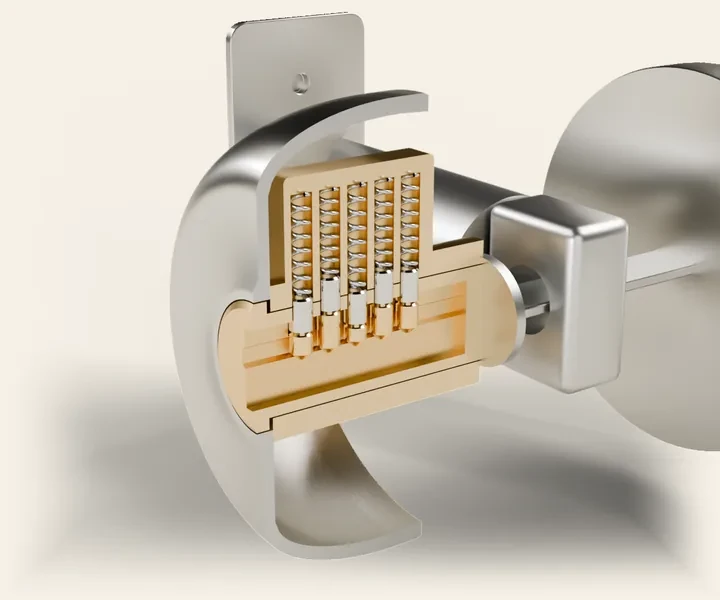
02
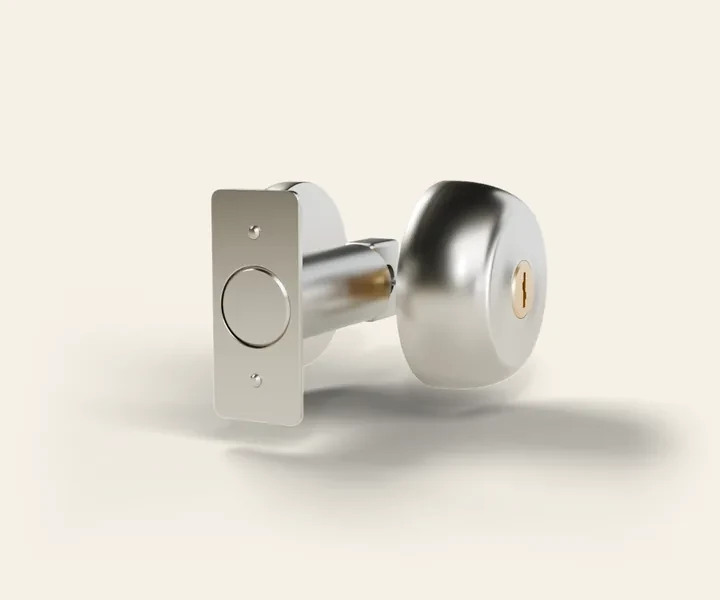
Inside the cylinder
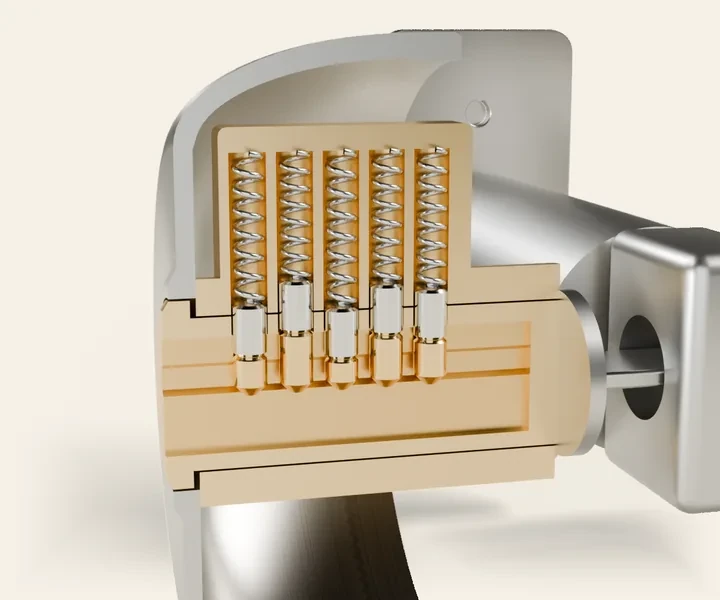
03
Pins, springs and the shear line
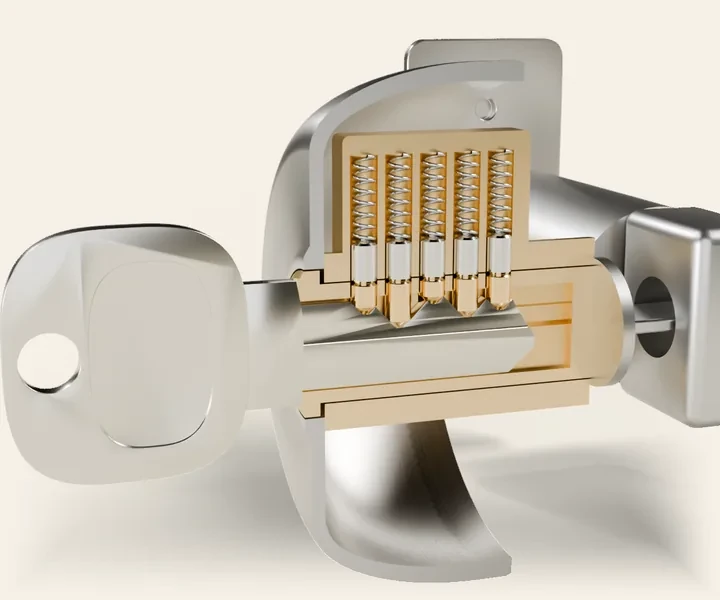
04
A new key, new pins
Lock Rekeying
How the visit goes
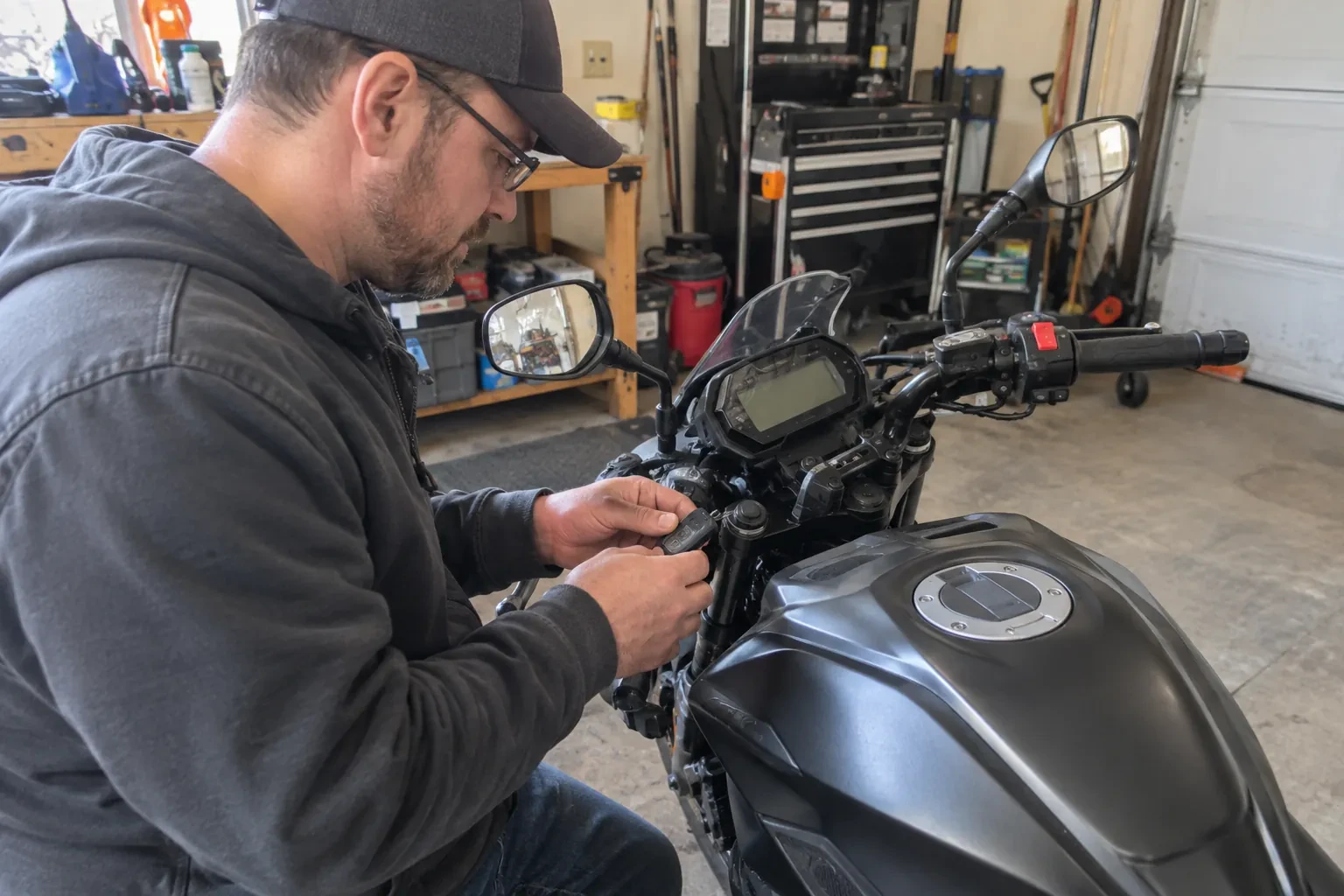
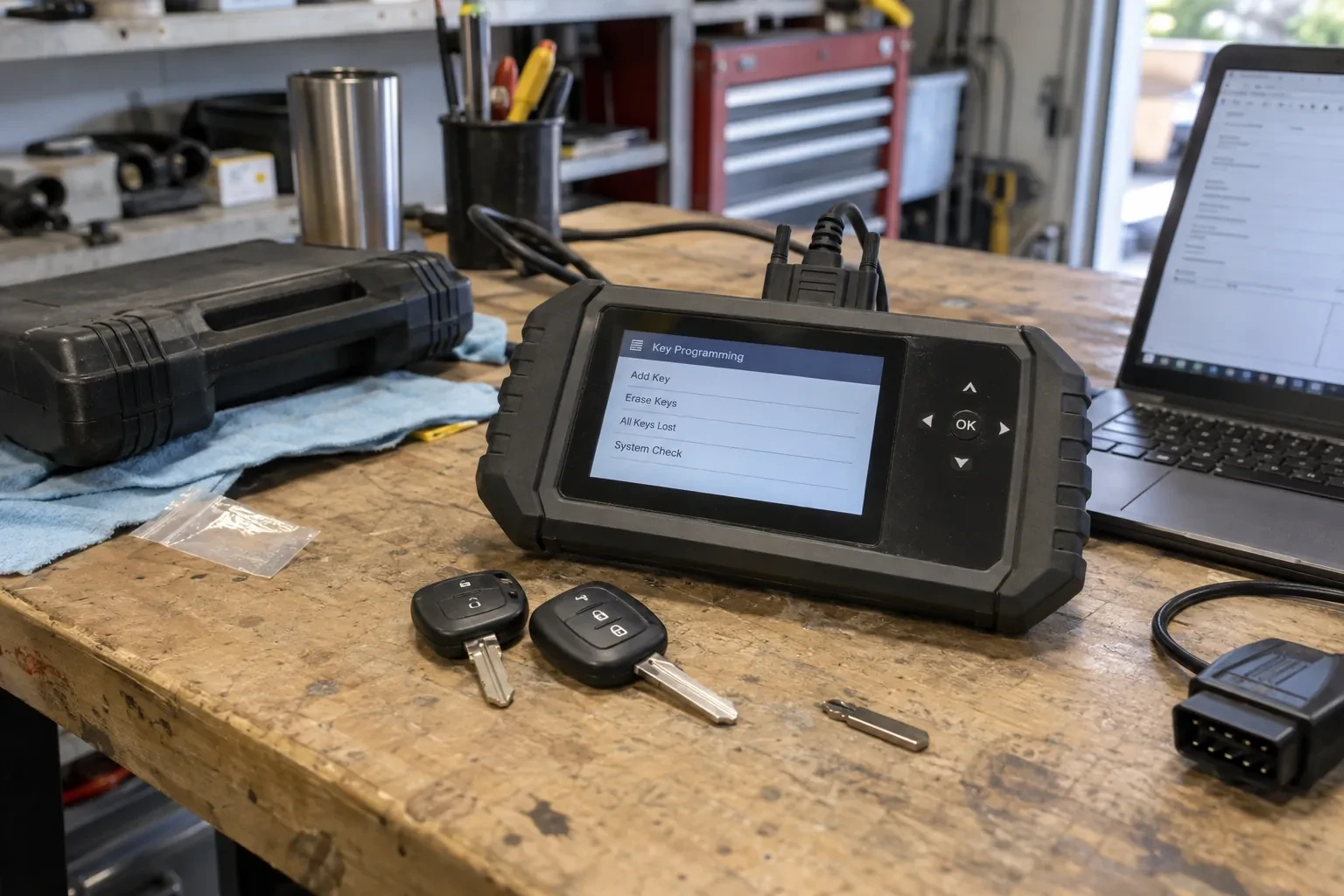
Deciding the key groups
Not every door in a home needs to answer to the same key, and the plan is written down before work starts. Most households want the exterior doors keyed alike so one key does everything. Some want exceptions: a basement suite on its own key, a home office or a storage room that visitors should not enter, a shed on a separate key that can be lent out without exposing the house. The locksmith sketches the groups with you, notes how many keys each group needs and who will hold them, and only then begins removing cylinders. Getting this straight first means no cylinder is pinned twice.
Resetting a user-rekeyable cylinder properly
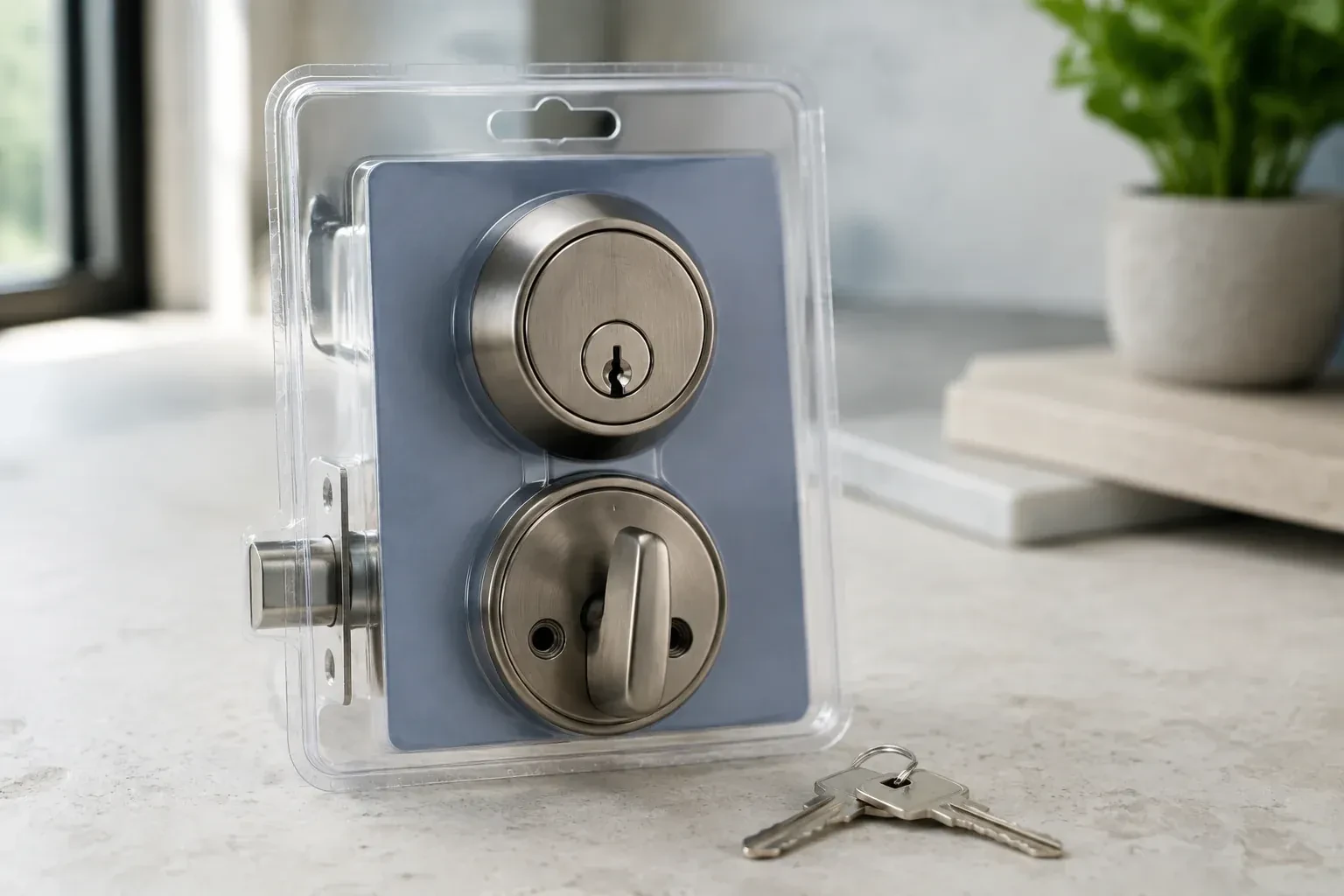
Some residential deadbolts and handle sets are built so the owner can change the key with a small tool, a working key and the new key. They save a bench session, and they also go wrong in a particular way: without a working key of the correct type, or with a key from the wrong keyway, the reset stalls partway. The locksmith carries the reset tool and the reset procedure for these cylinders, confirms the keyway matches the new house key, and completes the change so the cylinder accepts the new key and rejects the old one. If the mechanism has been damaged by a forced reset, it is replaced with a standard cylinder and pinned to match.
For landlords: the tenant's copies and the paperwork
After a rental unit is rekeyed, the incoming tenant receives their keys, the landlord keeps a copy as the tenancy rules expect, and the number issued is written on the move-in record so the count at move-out is easy to check. The former tenant's keys are retired. Where a building has several suites, the locksmith can keep each on its own key while the shared entry stays on a common one, and the note of which key belongs to which door becomes the start of a keying chart. That chart is what makes the next turnover a matter of one cylinder rather than a guessing game about who has what.
Lock Rekeying
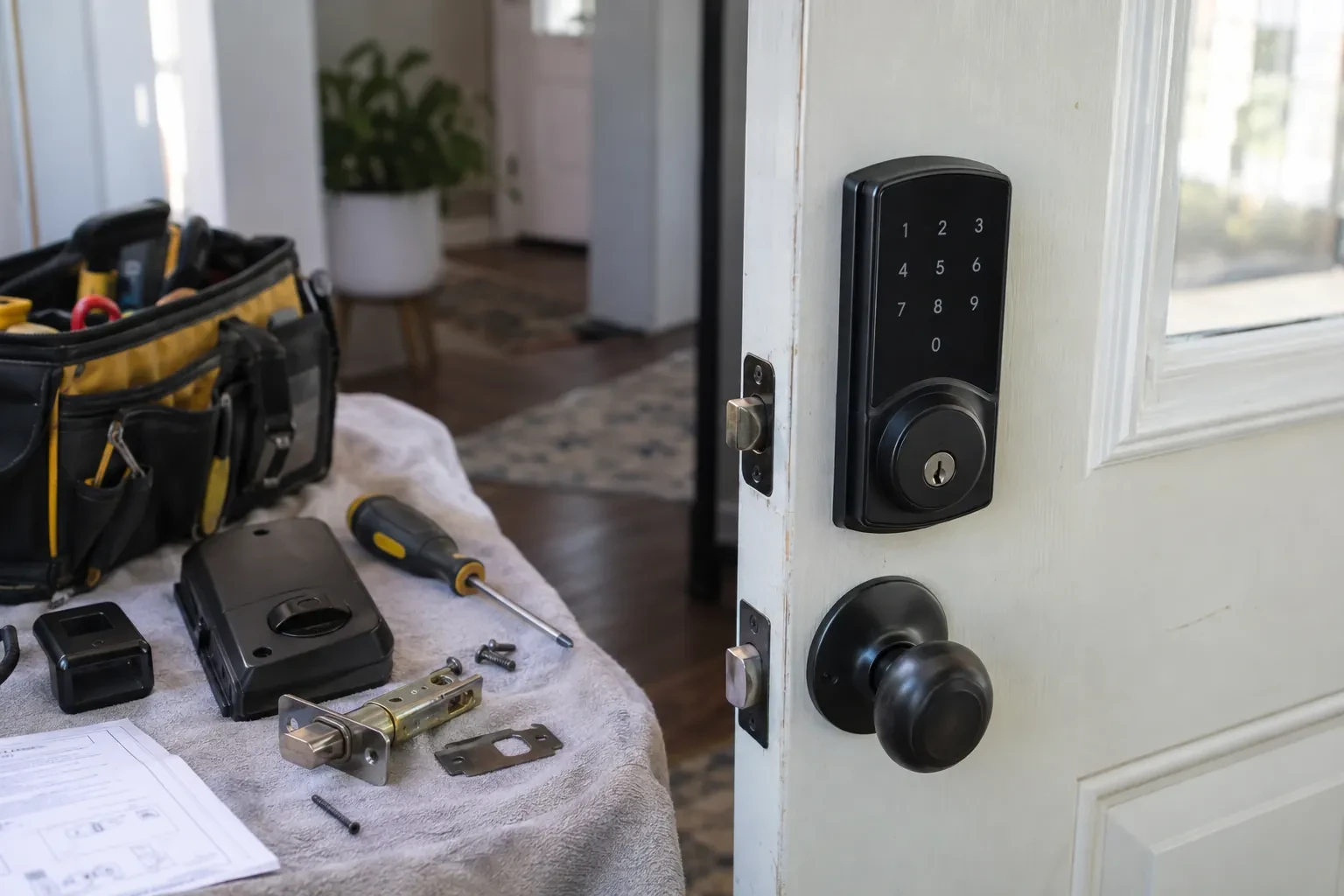
In the van
Reset tool for user-rekeyable cylinders
Cylinder shim
Plug follower
Code cutter or key duplicator
Dry graphite or PTFE lubricant
Lock Rekeying
What affects the quote
Interior doors added to the plan
Bedroom, office or storage-room locks brought onto a key are lighter work than exterior deadbolts, but each is still a cylinder to pin and test, and the count includes them.
Mismatched keyways needing a cylinder swap
Where one door's cylinder cannot take the key the other doors share, a compatible replacement cylinder is fitted and pinned to match, and that hardware appears as its own line in the quote.
Type of lock on each door
A standard deadbolt, a knob or lever set, a mortise lock in an older door, a padlock and a smart lock's override cylinder each come apart differently and take different time on the bench.
What to have ready
- Which doors do you want rekeyed, and have you counted the door from the garage?
- Has a key gone missing, or is one still held by someone who has moved on?
- Are any of the locks keypad or smart locks with a backup key?
Lock Rekeying: questions
QuestionsMy deadbolt says I can rekey it myself with a little tool. Should I?
You can, given a key that currently operates the lock, the maker's reset tool, the new key and the steps followed in order. Trouble tends to arrive when the old key is missing, when the new key belongs to a different keyway, or when a reset stalls halfway and the cylinder then accepts neither key. A locksmith carries the tool and the procedure, can check that the new key suits the rest of your doors, and can fit a standard cylinder if a forced reset has broken the mechanism.
How often should locks be rekeyed?
There is no calendar for it. What matters is who holds a key, not how many years have passed. Think about it when occupancy changes hands, when someone who had a key no longer needs one, or when a ring goes missing along with something that shows where you live. Between those moments a well-kept cylinder may need no scheduled care, and when it does, use whatever that cylinder's maker specifies. With the doors already on one recorded system, any repeat is a short piece of work.
One of my locks is stiff and worn. Can it still be rekeyed?
Often the stiffness is grit, old oil and tired springs rather than real wear, and those are handled while the cylinder is on the bench: the plug is cleaned, new springs go in with the new pins, and a dry lubricant finishes it. If the plug has worn oval or the housing is damaged, the locksmith shows you and suggests a replacement cylinder pinned to the same key, rather than fresh pins in a lock that will keep dragging.
Related services
- Lock Replacement & UpgradeSomeone tried the back door while you were away.
- Vintage Mortise Lock ServiceThe old skeleton key still fits the keyhole, but it now needs a jiggle, a lean on the door and a little luck before the bolt moves.
- Smart Lock InstallationThe deadbolt is a stiff double-cylinder model that needs a key from both sides, and in the dark hallway finding it is a nuisance.