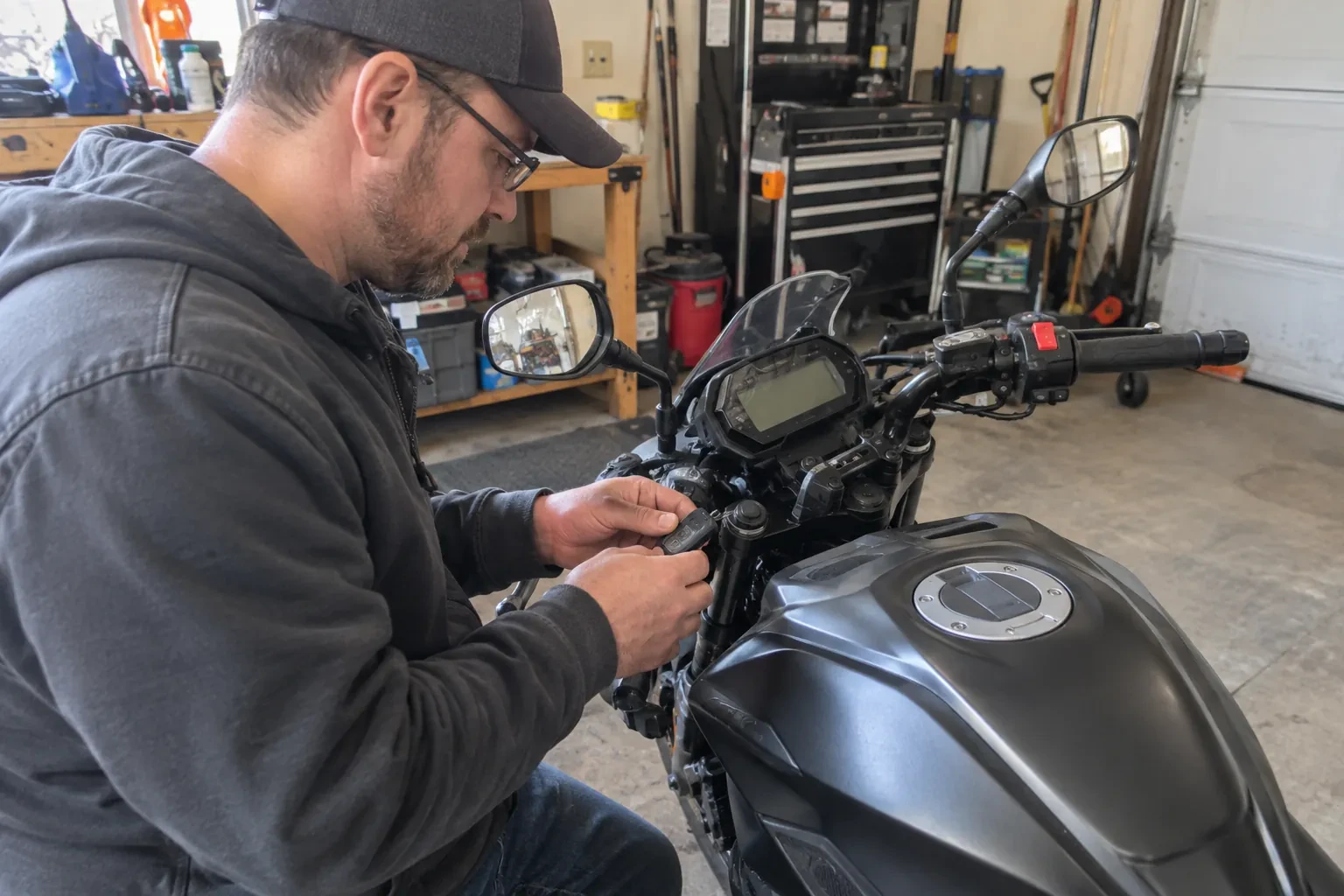
High security
High Security Locks
For homes, high security usually means a graded deadbolt, a patented cylinder and long screws into the frame. For businesses it adds laboratory-rated cylinders, heavy lock bodies and a key register. Both start with a conversation about what the door protects.
Which one do I need?
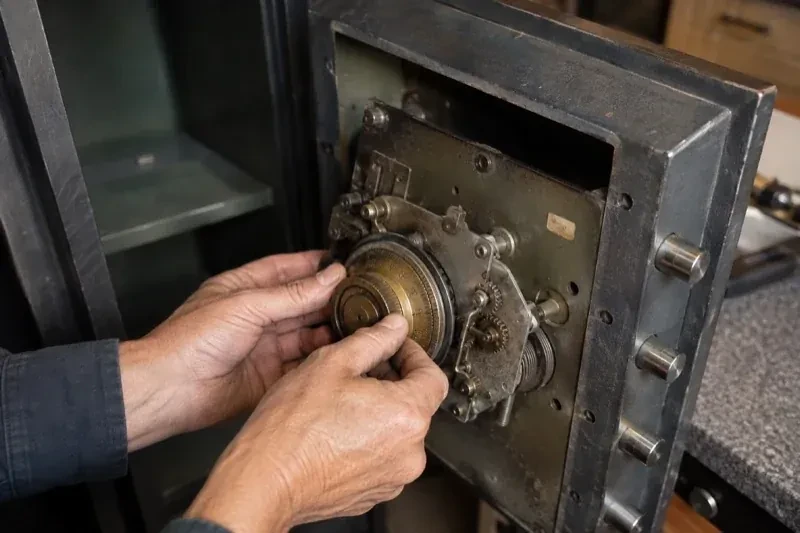
- Pry marks circle the dial after an overnight break-in attempt, and the safe now refuses every number that used to open it, as if something inside has locked itself down.Safe Opening & Combination Change
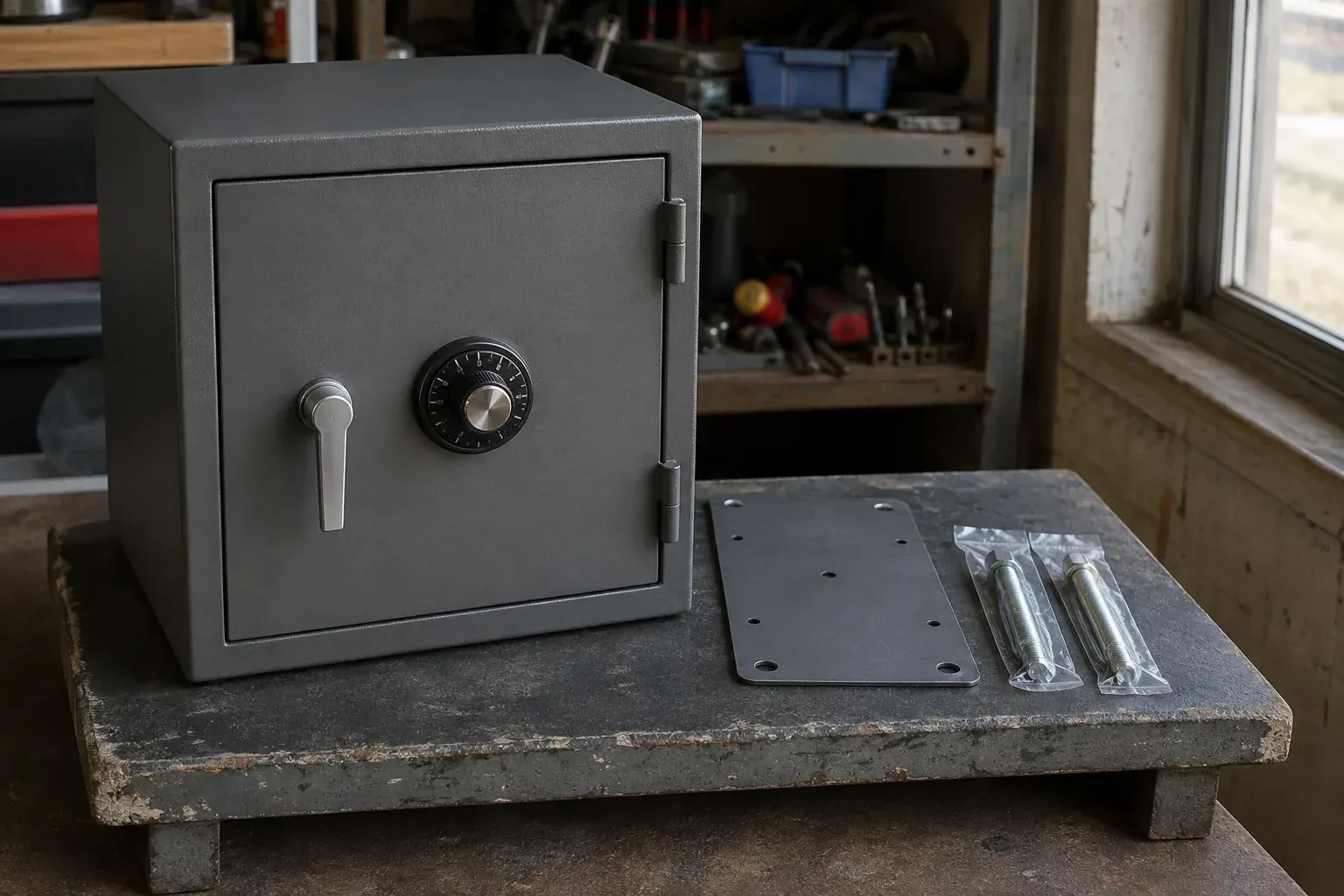
- A homeowner inherited a heavy old dial safe from a parent's house, moved it into the new place, and has no idea whether the bolt-work still works, whether the lock is sound, or how it should be anchored.Safe Installation & Servicing
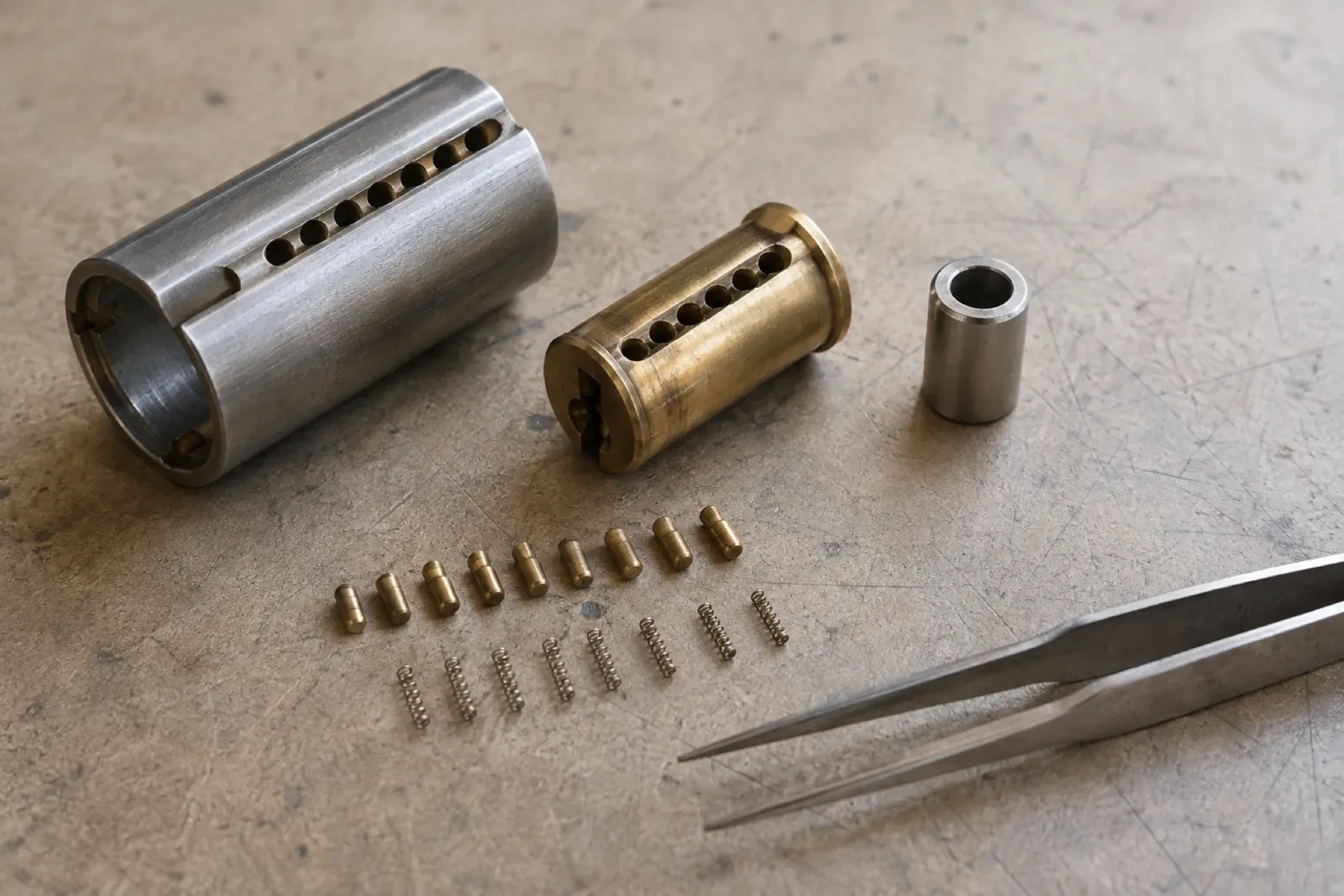
- The restricted keys you bought years ago are no longer restricted; the locksmith mentioned the patent has run out and blanks are sold openly.High Security Locks
High Security Locks
Cylinders and deadbolts built to resist picking, bumping and drilling, keys that cannot be copied without authorisation, and safes opened or installed.
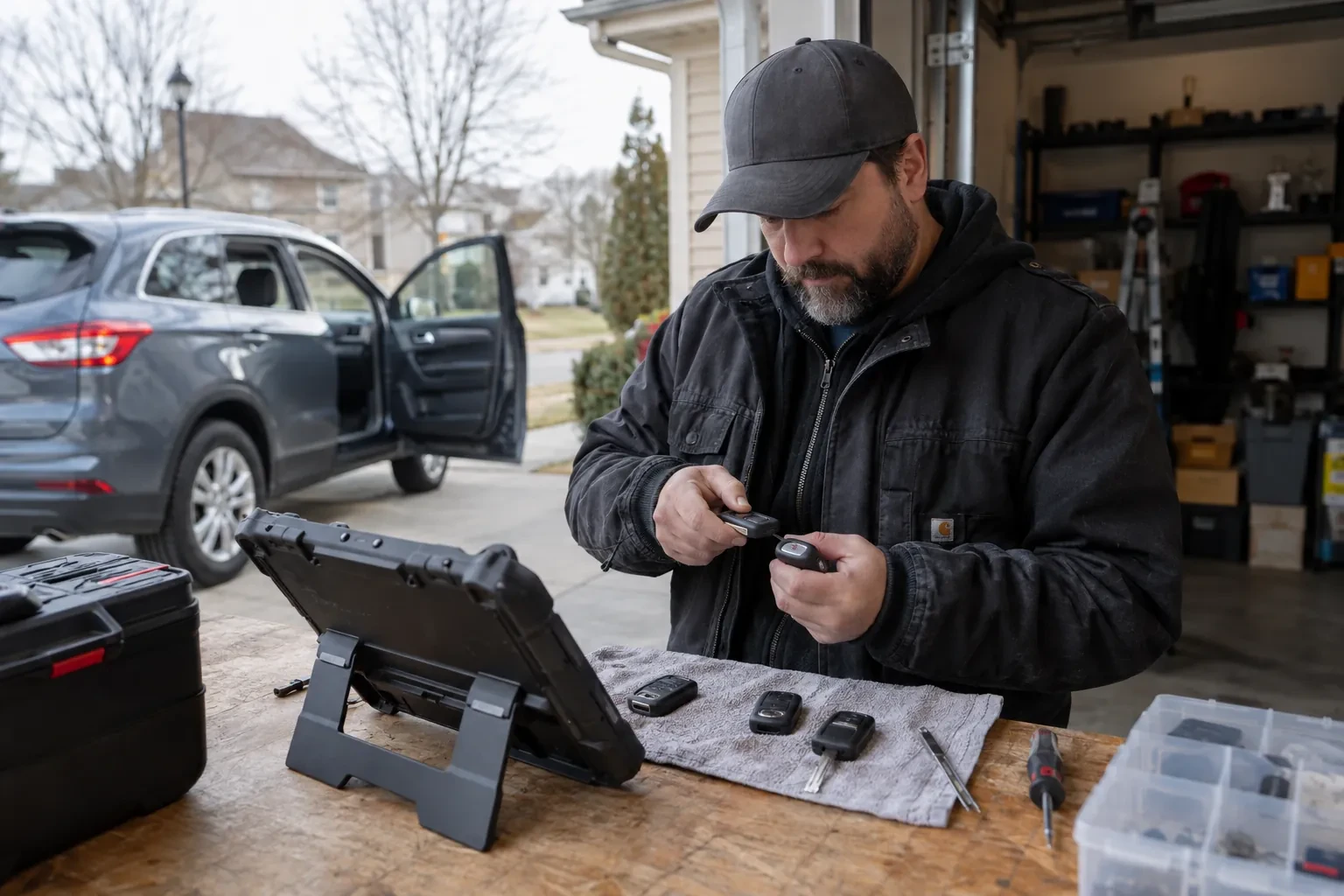
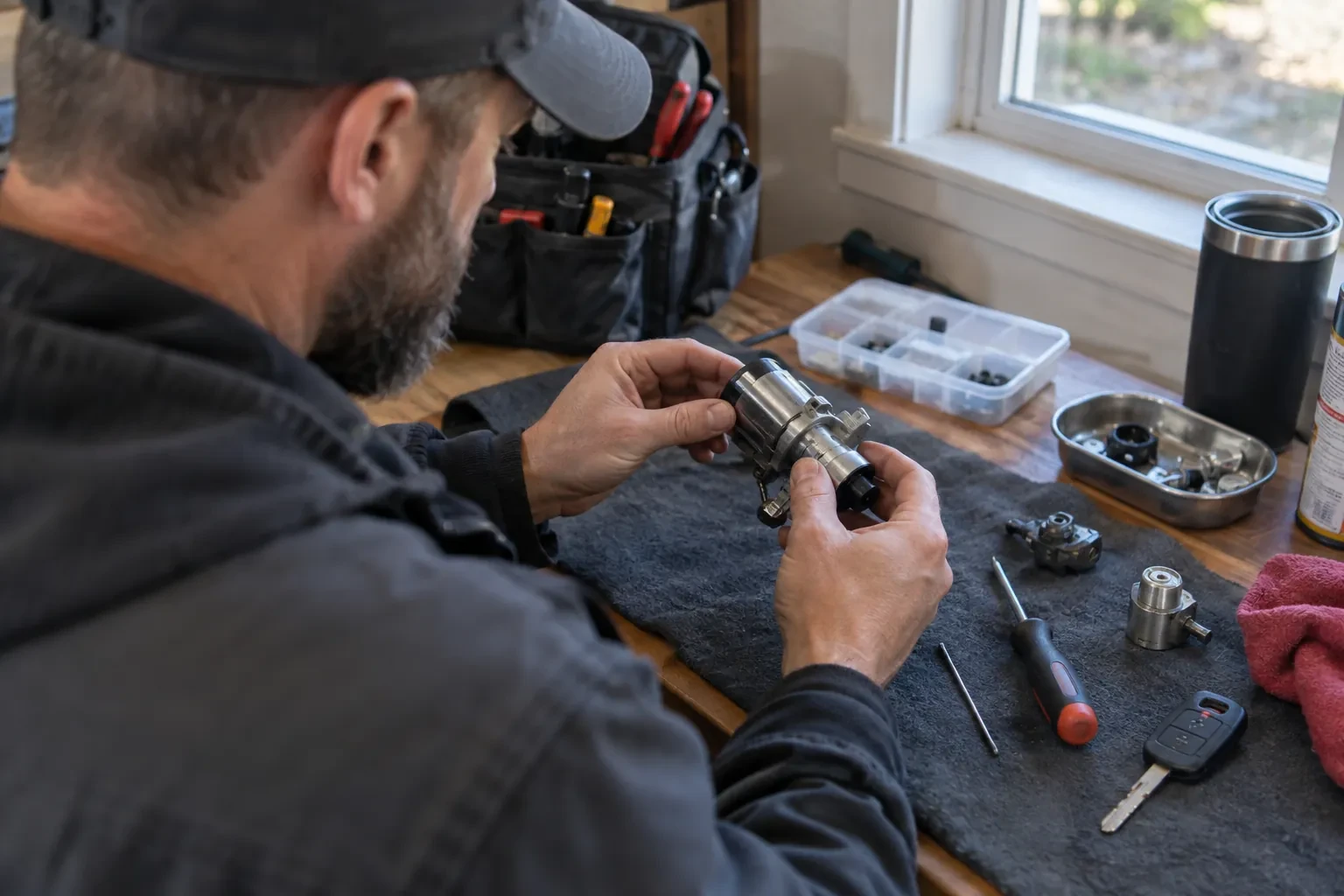
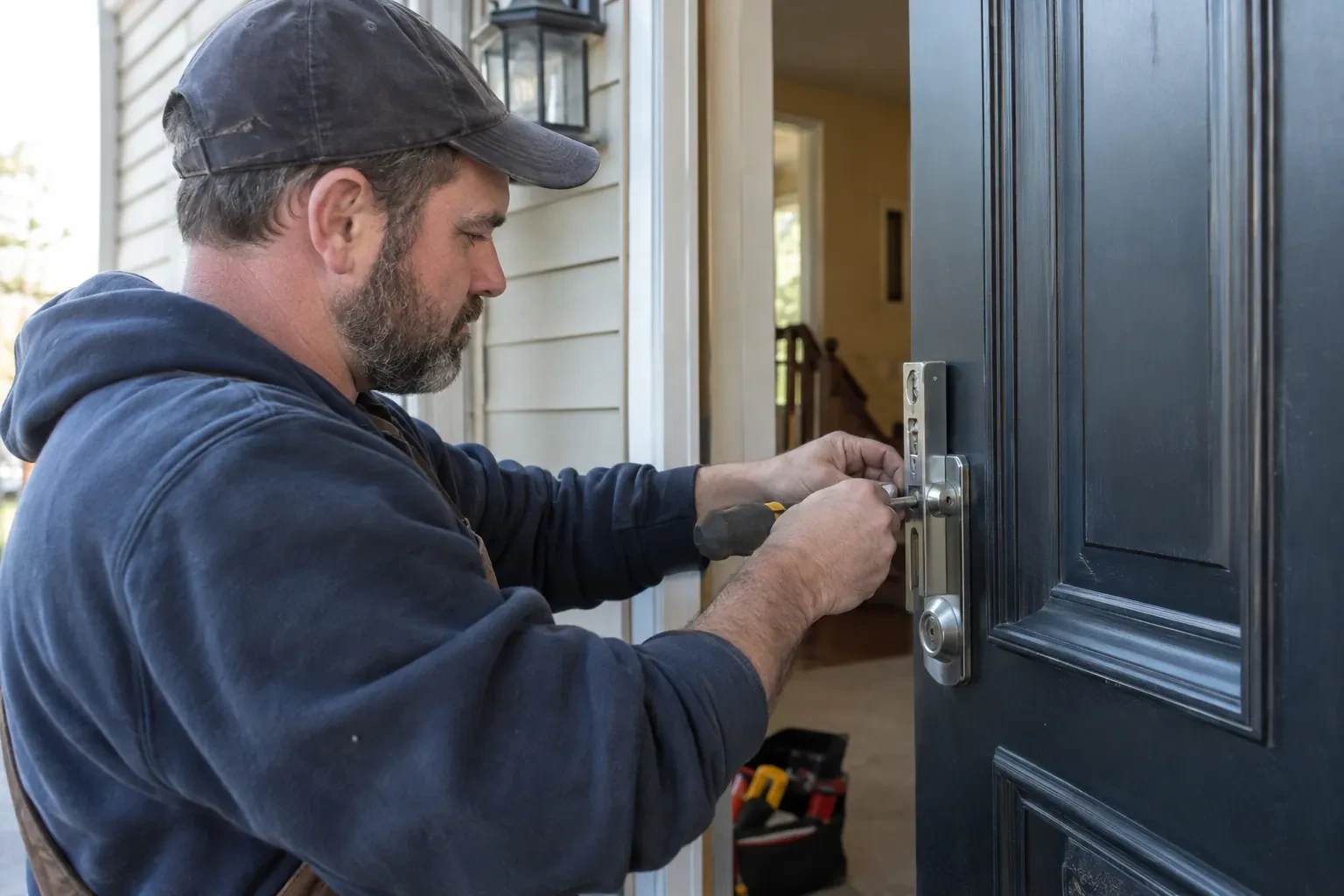
Safe Opening & Combination Change
Reading the safe before touching it
Every safe carries clues about what is inside its lock. A manufacturer's data plate, usually on the door or inside the frame, often names the brand, model and sometimes the lock's own security rating. The dial style, the keypad's shape and buttons, and whether a key cylinder sits alongside the combination lock all narrow down the lock family before a single tool is used.
Older safes without a legible plate are identified from the case shape, the handle style and the dial ring instead. Getting this identification right decides which manipulation technique, which reset procedure or which manufacturer tool applies, and it is the difference between a clean opening and a guess.