Car keys · Markham
Key Fob Programming
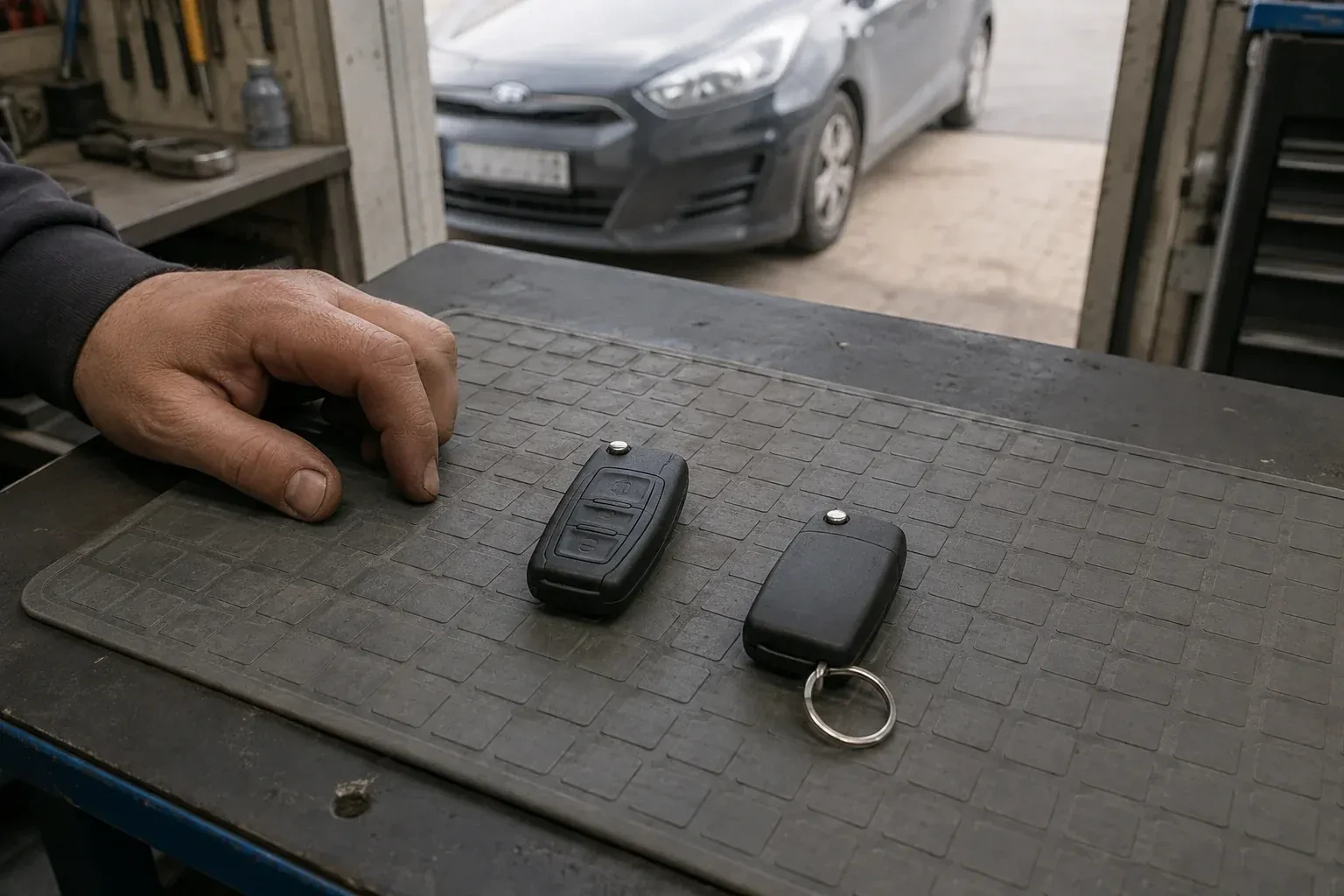
Buttons on the fob still light up and the remote still clicks, but the vehicle refuses to start even with the fob sitting in the cupholder.
In plain words
Where the fobs currently stand decides how the visit unfolds. If one working fob remains, the job is usually adding a second or third to the vehicle's accepted list, though some procedures need every fob you still have present and re-registered rather than leaving the working one untouched. If every fob has gone missing, the visit follows that vehicle's own all-keys-lost route: on many systems the memory is cleared of old fobs and a fresh set registered in their place, often through extra security steps, while some vehicles instead add a new credential through an authenticated app or manufacturer service access.
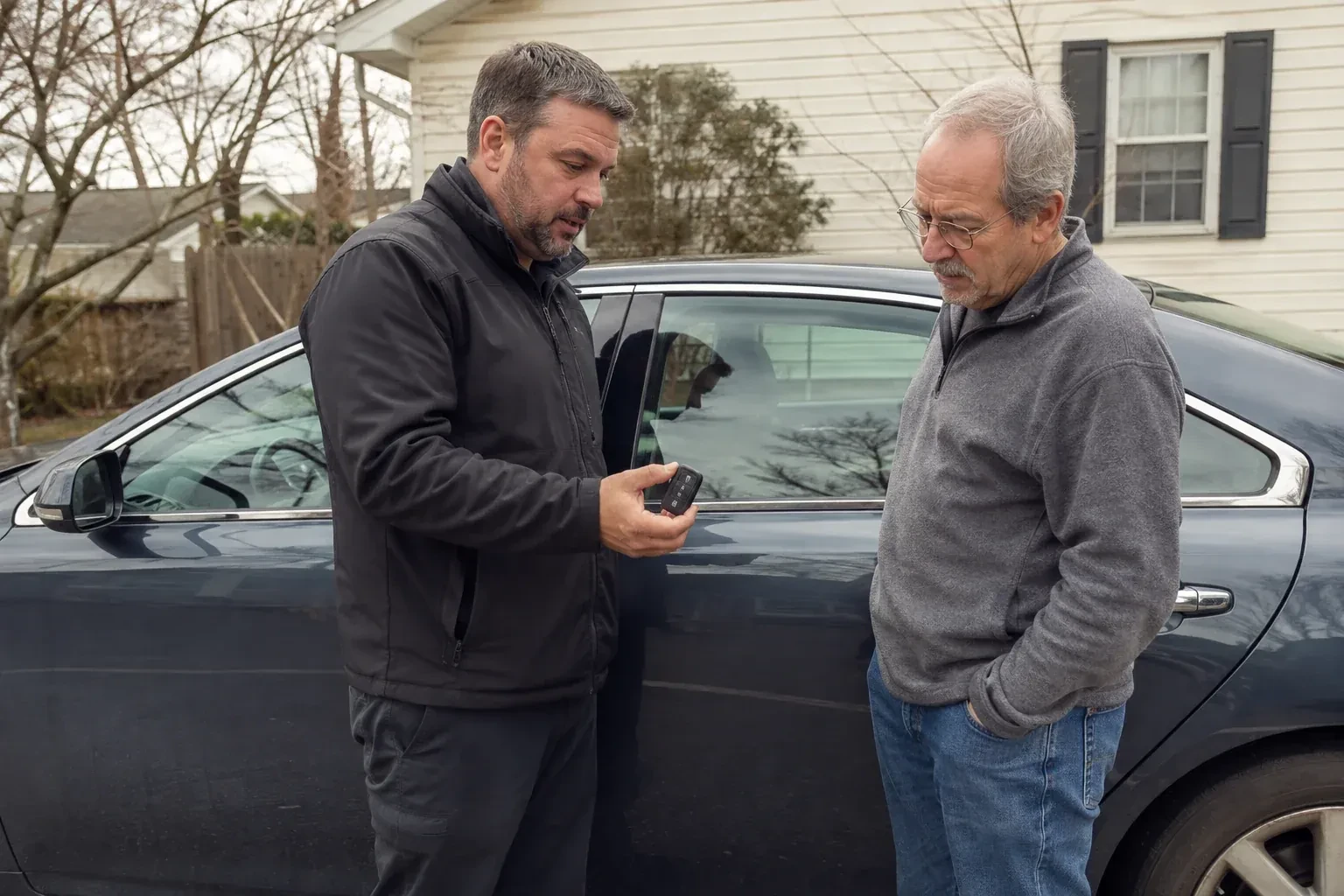
How the visit goesThe car changed hands last week, and the paperwork included exactly one fob for a household with two drivers. Somewhere in a previous owner's kitchen drawer sits a second one that never made the trip, and neither person has any way to reach it now.
Key Fob Programming
How the visit goes
Reading the vehicle, not just the fob
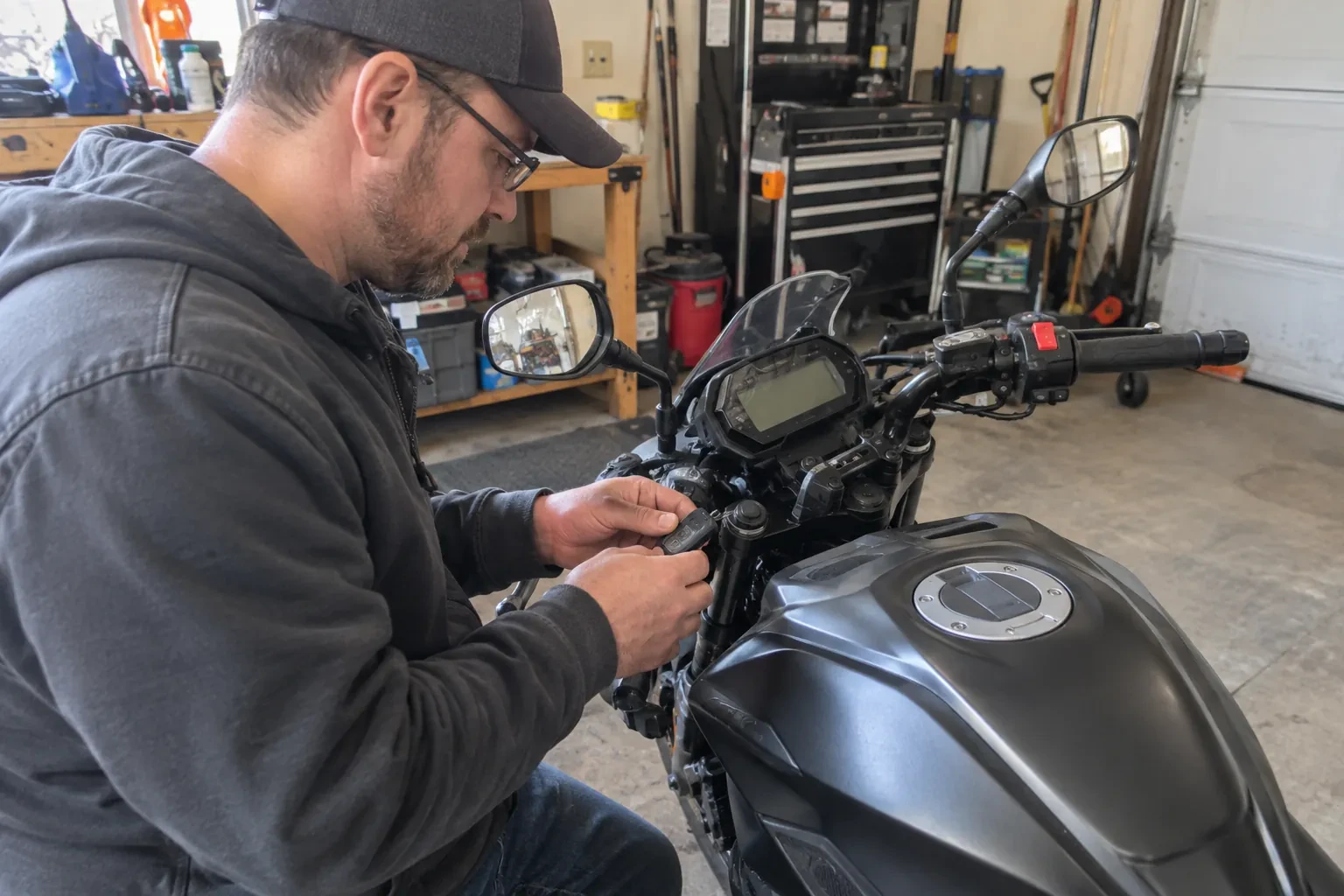
Every vehicle carries its own combination of year, trim and key system, and that combination decides which procedure applies before a single button is touched. A base model with a simple remote-and-blade key is programmed differently from a mid-tier transponder key, and differently again from a proximity fob with passive entry and push-button start. The vehicle identification number, model year and trim level are checked against the fob in hand so the right procedure is chosen from the first step rather than discovered partway through the visit.
Removing a lost fob from the vehicle's memory
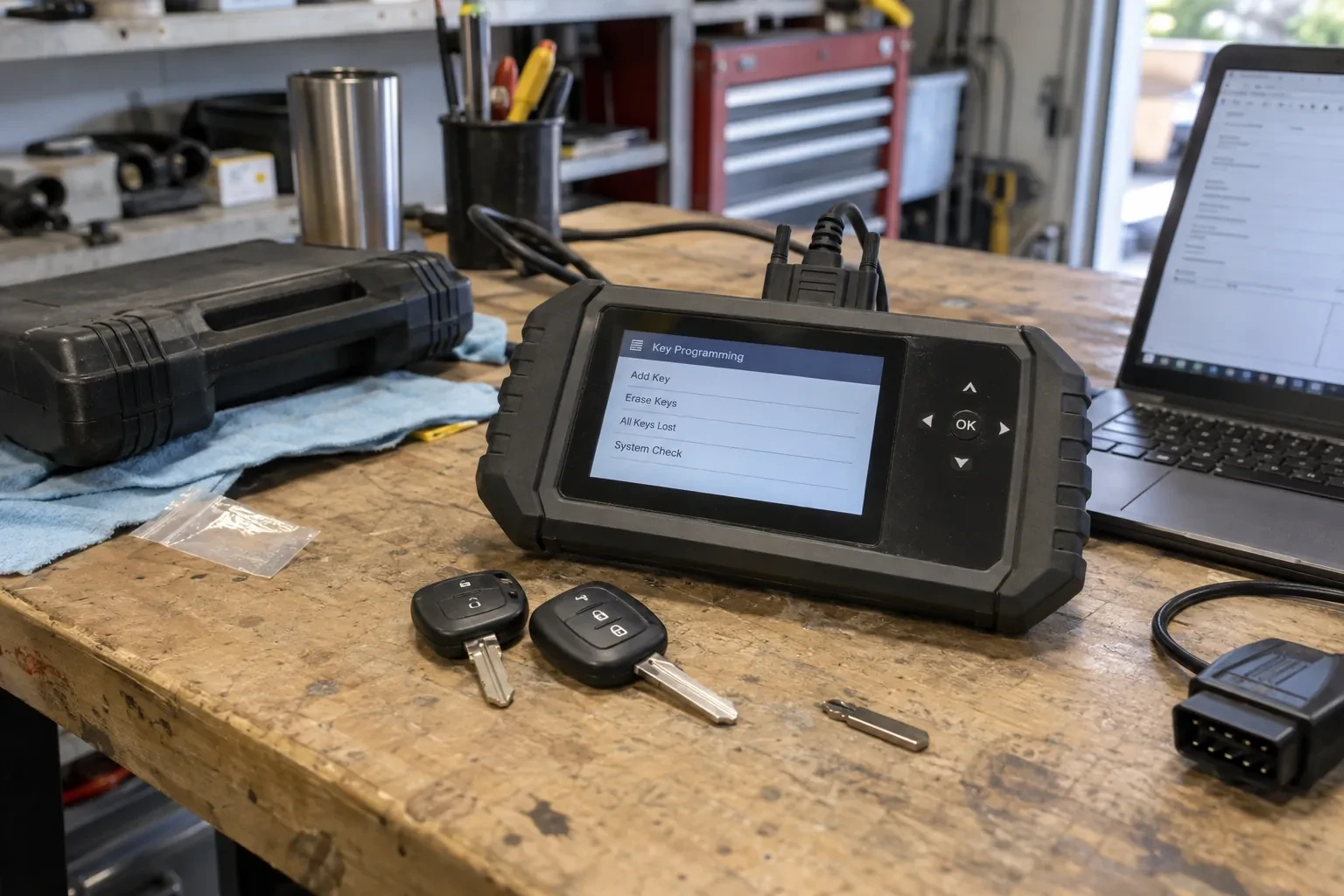
Adding a new fob solves half the problem when the old one is genuinely missing rather than simply misplaced at home; the other half is telling the vehicle to stop recognizing the fob that is out there somewhere. The procedure follows that model's own lost-key route: some delete just that one fob's authorization and leave the others untouched, while others first erase every known credential and then relearn the ones you keep, so a household with three fobs and one lost one still ends the visit with two working fobs and a lost one that no longer operates the vehicle electronically.
A vehicle with every driver properly on file
With a fob programmed for each person who drives the vehicle, nobody in the household is sharing a single key or waiting for someone else to come home before leaving. Each fob remains distinct in the vehicle's memory, so a future change, such as one more driver joining or one fob eventually needing replacement, follows that vehicle's own programming mode, which on many systems touches only the one fob and on others needs every retained fob present and relearned together. The vehicle simply recognizes one more signal than it did before.
Key Fob Programming
In the van
Precision case-opening tools
Contact cleaner and small brushes
Replacement or supplied key fob
Vehicle-specific key programmer
Coin-cell fob battery
Key Fob Programming
What affects the quote
Removing a lost fob from the vehicle's memory
Deregistering a fob's electronic authorization, following that model's procedure, when it is genuinely missing rather than simply replaced, is part of the visit and is reflected accordingly.
Condition of the fob already in hand
A fob with a cracked shell, worn buttons or a fading battery may need parts beyond programming alone, and any repair work is priced as its own line rather than folded silently into the visit.
Distance to the vehicle
Since the equipment travels to the vehicle rather than the other way around, how far the visit has to travel is one of the ordinary factors reflected in any mobile automotive quote.
What to have ready
- Do you want a mechanical backup key cut as well?
- What is your vehicle's year, make and model?
- Has anyone attempted to program this fob before?
Key Fob Programming: questions
QuestionsWhat is the difference between a remote, a transponder key and a proximity fob?
A basic remote only operates the locks and alarm from a distance while a separate metal key still starts the engine. A transponder key combines a cut blade with a chip the immobilizer reads before allowing a start. A proximity fob goes further: it authorizes entry while it is nearby, though most vehicles still need the handle touched, gripped or pressed to actually unlock, and it starts the engine with a push button, with no key insertion needed day to day. Each type is programmed differently.
Is fixing a lost key different from just adding a spare?
Yes. Adding a spare while every existing fob still works only involves registering the new one. A lost key involves that same registration plus removing the missing fob's authorization following that vehicle's own procedure, since leaving it active means whoever has it can still use it; some vehicles also relearn the fobs you keep, and a mechanical blade in the lost fob is ruled out by rekeying the matching lock. The two situations share a first step but not a last one.
Does key fob programming use my car's diagnostic port?
On most vehicles, yes. The same connection point used for other vehicle diagnostics is typically how a fob's registration procedure communicates with the car's onboard systems. A few older or simpler key systems are programmed through a different in-car sequence instead, which is one more reason the vehicle's year and model are checked before the procedure begins.
Related services
- Car Key ReplacementAfter fifteen years the blade has worn to a smooth sliver.
- Spare Car Key DuplicationThe paperwork for the used car changed hands last week, and the previous owner mentioned, almost as an afterthought, that a second key never turned up.
- Transponder Key ProgrammingEvery key that ever opened the car is gone at once, one taken with a stolen bag, the spare misplaced months ago and never replaced.