Lockouts · Markham
Lost Keys — Same-Visit Rekey
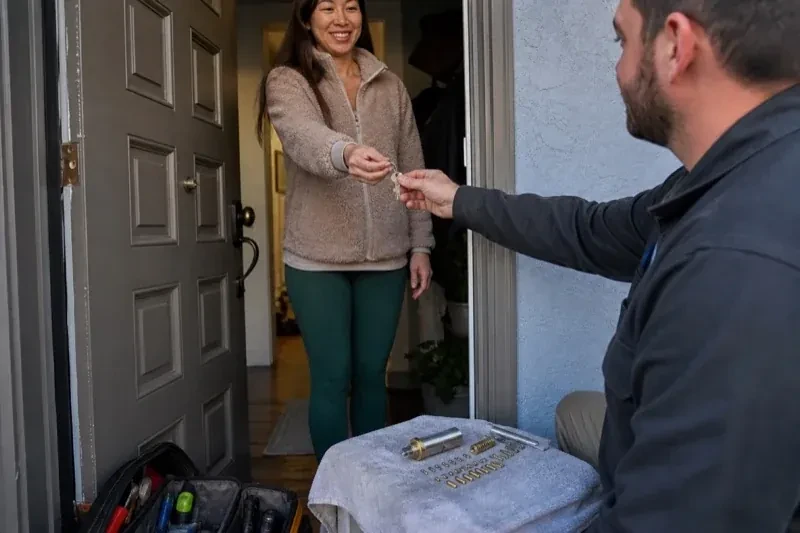
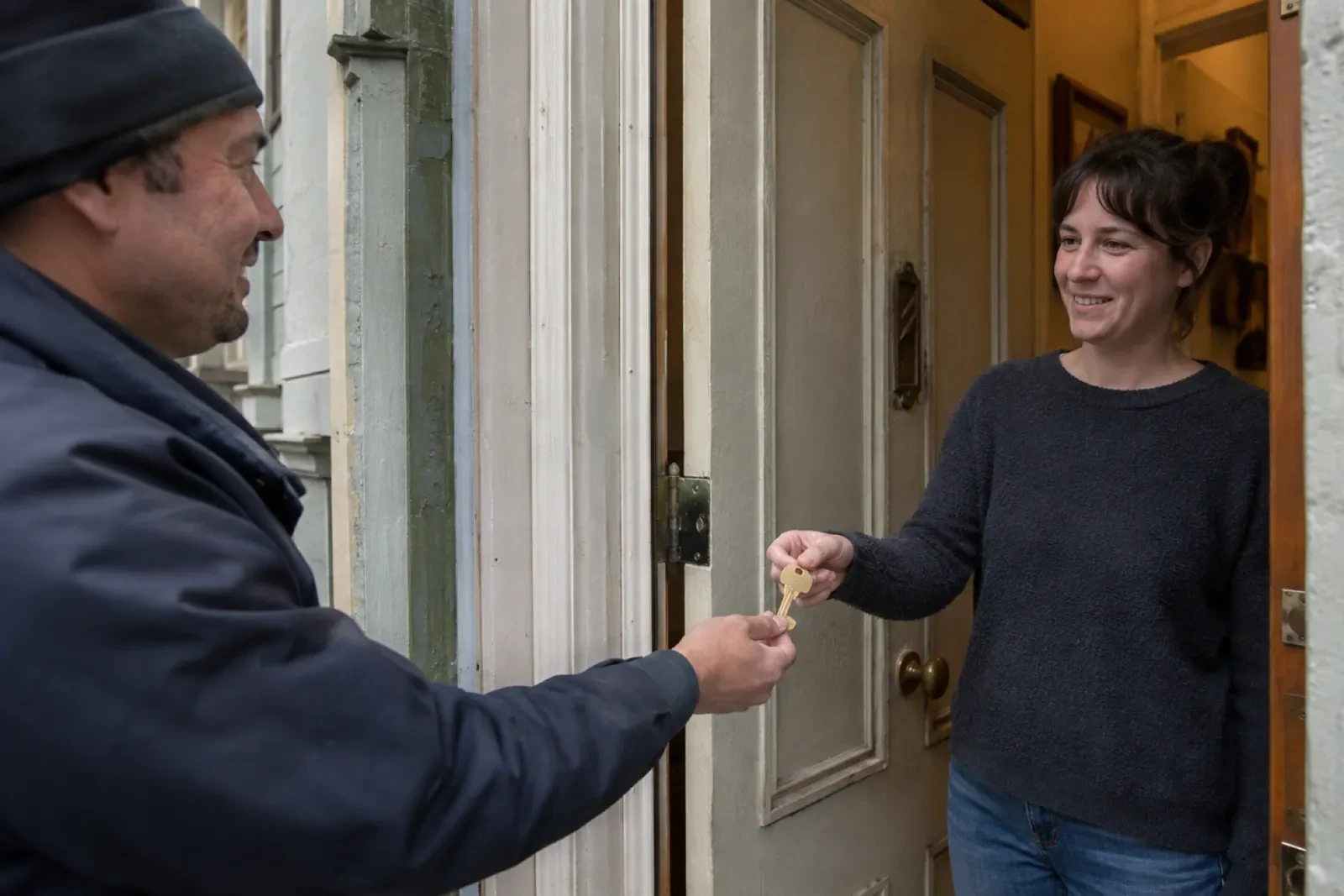
The lawyer's envelope held two keys for the new house.
In plain words
How much a lost key matters depends on what was lost with it. A ring that dropped into a lake on a canoe trip tells nobody where it fits, so the rekey is a tidy precaution. A ring taken with a wallet or bag that carried your address is a different story: someone now holds both the key and the door it opens, and the rekey comes first. The locksmith asks about this on the phone, says plainly which situation you are in, and schedules the visit accordingly. The work is the same either way, and so is the outcome: a key nobody else has.
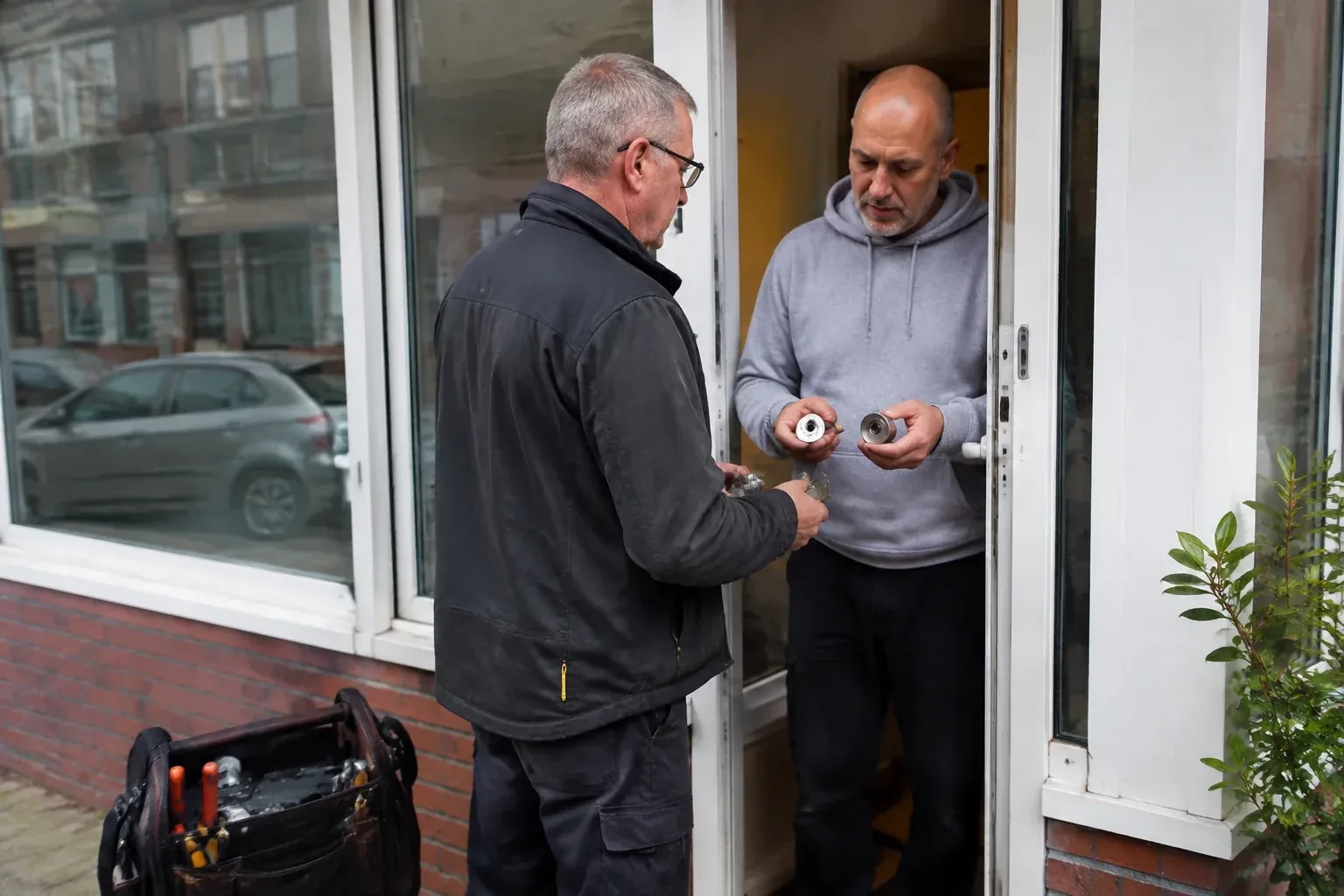
How the visit goesThe keys fell out of a gym bag somewhere between the arena and the parking lot. The ring has a tag from the building with the unit number on it. Whoever finds it has an address and a key that fits.
Lost Keys — Same-Visit Rekey
How the visit goes
Confirming who is asking for the change
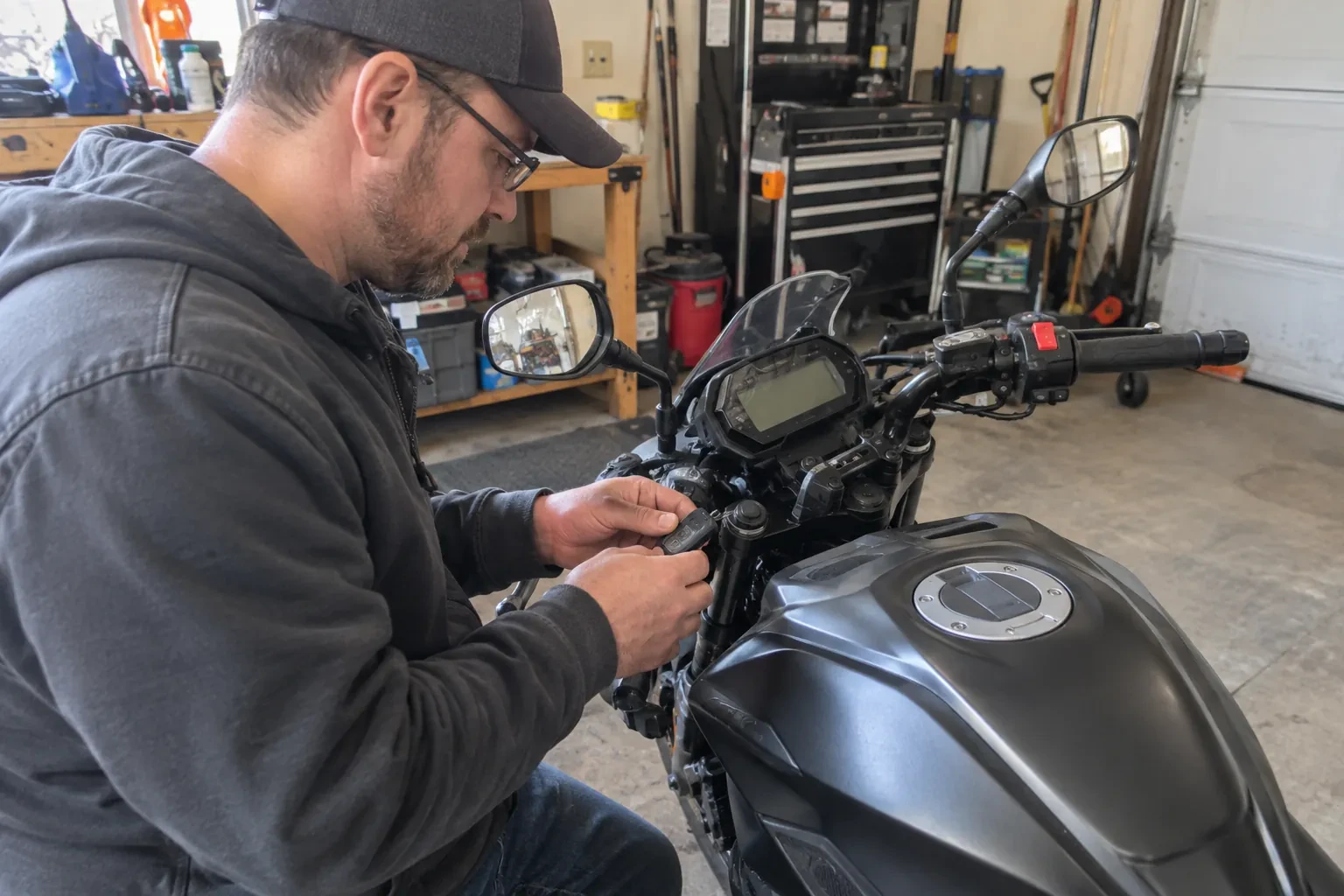
A rekey decides who can open a door from now on, so the locksmith starts by confirming that the person asking has the standing to decide. Photo identification matched to the address does it for an owner. A tenant shows a lease or a recent bill along with identification, and mentions whether the landlord knows. A property manager or superintendent shows the management connection and says which units or doors are theirs to authorise. None of this is suspicion; it is the same care that stops a stranger with a convincing story from having your own locks reset against you. When something is missing, the locksmith says what would settle it and waits.
Handling a restricted or high-security keyway
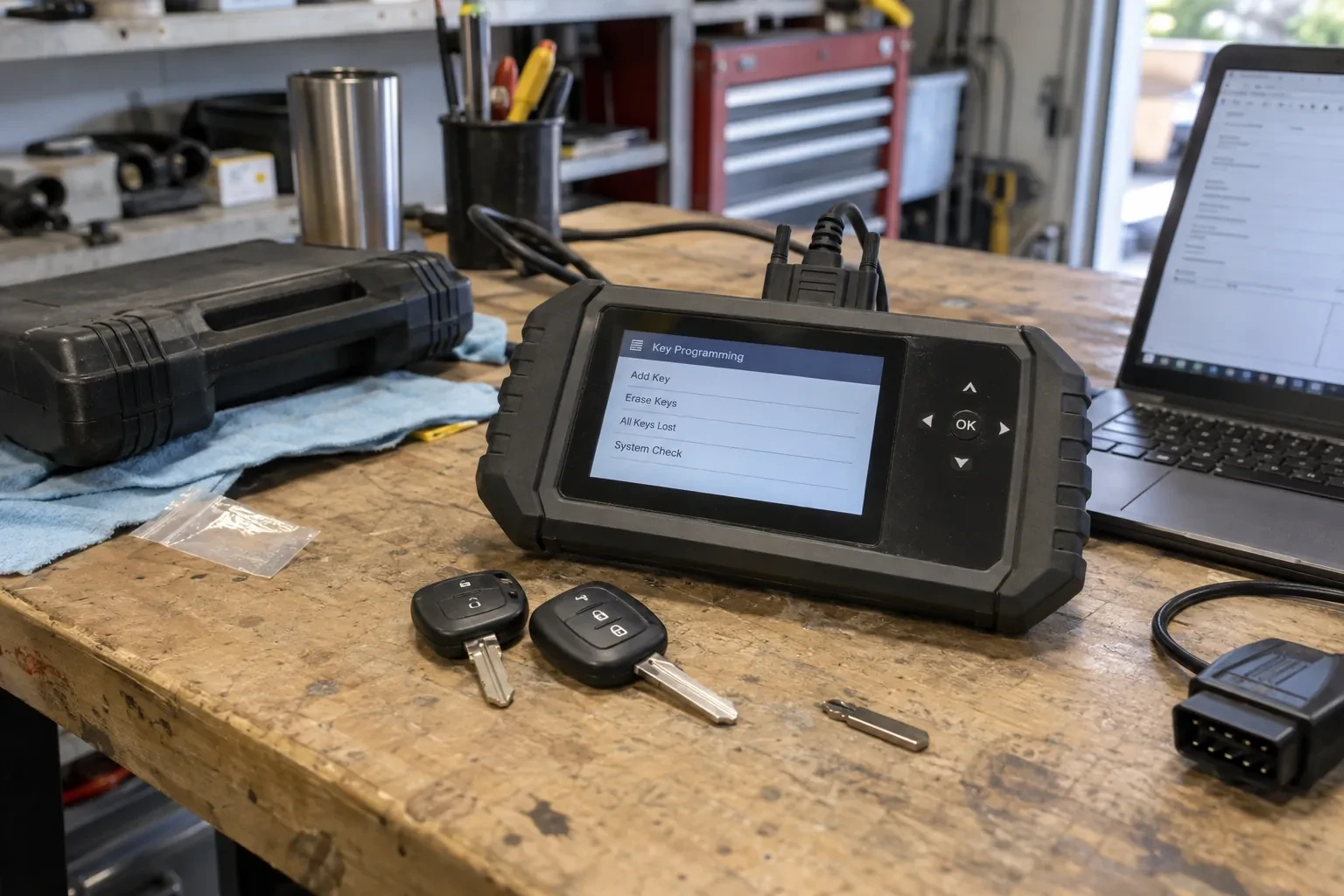
Restricted and patented keyways rekey in much the same way, with more parts and a little more care. A high-security cylinder's own elements, a sidebar's finger pins, a rotating element or another system-specific part, are reset to the new key's profile alongside the ordinary pins, and the finished plug is checked before refitting. Key blanks for these systems are issued through whatever authorised channel that system uses, a letter, a registered account, a dealer agreement, or sometimes a key card; bring whatever credential you were given. The reward is that copies of the new key can only be made through that same channel, one of the stronger kinds of key control a household can have.
Spares that live outside the house
A rekey is the natural moment to decide where the spare goes, because the one under the planter is the reason many of these calls happen. A key with a trusted neighbour or nearby relative is the simplest answer. A small combination lockbox fixed in a discreet spot, with the code shared only with the people on your list, is a step up and can be fitted before the locksmith leaves. For families with a keypad lock, a personal code for each member does the same job without a key at all. Whichever you pick, the spare is now a planned thing with a known home rather than a habit.
Lost Keys — Same-Visit Rekey
In the van
Key tags and a key register
Rekeyable-cylinder reset tool
Dry graphite or PTFE lubricant
Code key machine
Pin tweezers and shims
Lost Keys — Same-Visit Rekey
What affects the quote
Restricted or high-security keyways
Patented and high-security cylinders carry more parts, need dedicated pin kits and issue keys through authorised channels. Rekeying them takes longer and the blanks cost more than common residential ones.
Travel to the property
Every call-out includes the drive. A house across town and a rural property at the end of a concession road involve different time on the road, and the quote reflects the trip.
How many cylinders are on the list
A front door with a deadbolt and a handle is two cylinders. Add the back door, the garage entry, a side door and a shed and the count climbs, and the quote follows the number of cylinders repinned.
What to have ready
- Was a garage remote, building fob or car key on the same ring?
- Are the door locks all the same brand, or a mix?
- Is the property a condo or apartment with shared entrance doors?
Lost Keys — Same-Visit Rekey: questions
QuestionsHow long does a whole-house rekey take?
Plan on an hour or two for a typical house with three or four cylinders, including the walk-through, identification, pinning, cutting and testing. Each additional cylinder adds a little, as does swapping a cylinder to bring a mismatched door onto the same key, resetting a homeowner-rekeyable lock or clearing a garage opener. The locksmith gives a realistic window on the phone once the list of doors is known.
What should I do before the locksmith arrives?
Walk the property and note every door the missing key opened, including the garage, shed and gate. Gather any keys you still have, since a working key helps in reading each cylinder. Have identification and, for tenants, something showing the tenancy. Decide roughly how many keys you want and whether you would like all doors on one key. If a garage remote or building fob was lost too, mention it when you book.
Can all my doors work on one key afterwards?
Usually, yes. Cylinders that share a keyway family accept the same blank, so they can be pinned to one combination during the rekey. The front door, back door, garage entry and a gate padlock of the same family become a single key. Where a door uses a different family, the locksmith can swap its cylinder for a compatible one in the same visit, or you can choose to keep two keys for that door.