Locksmith in Unionville, OntarioSerious locksfor Unionville homes
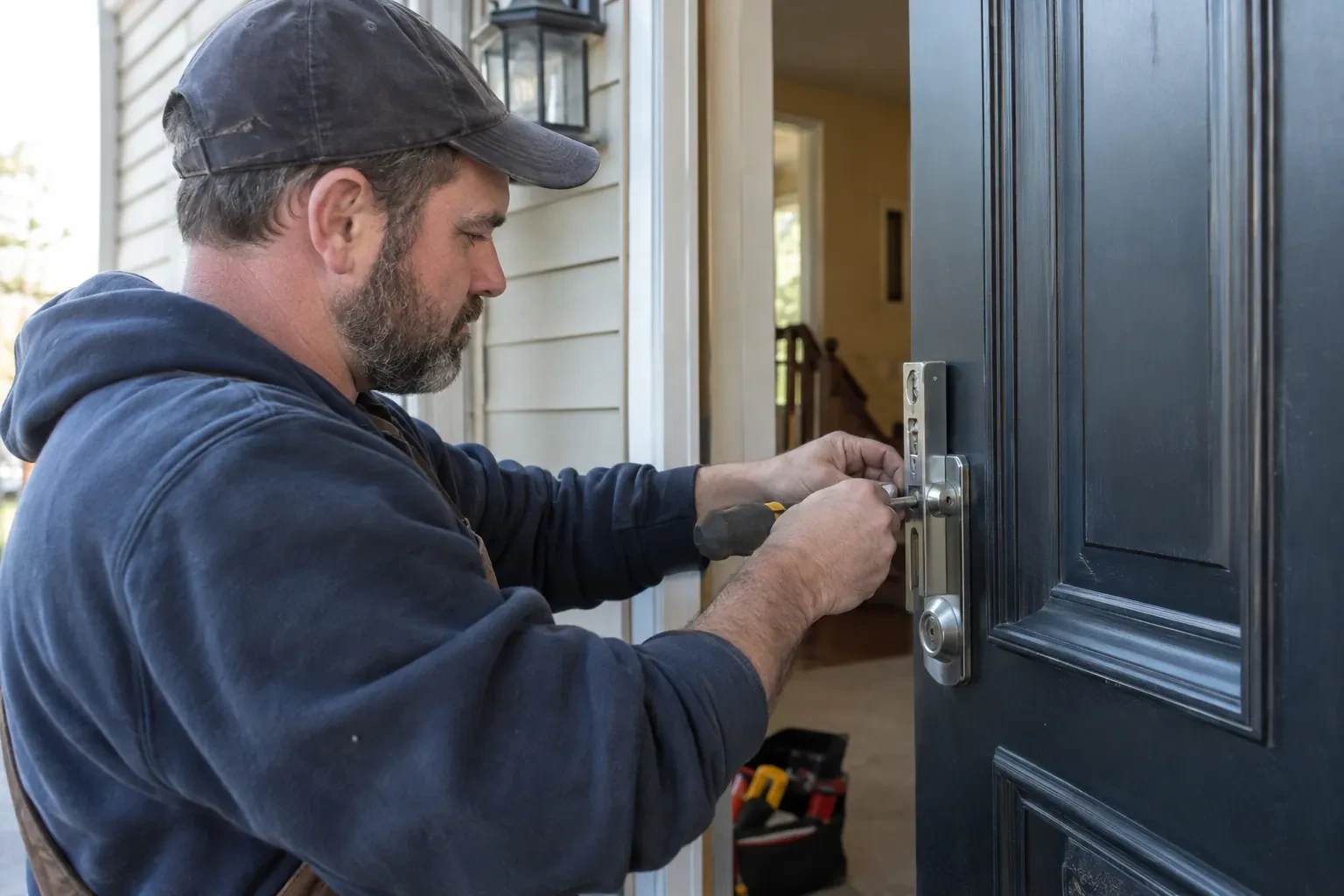
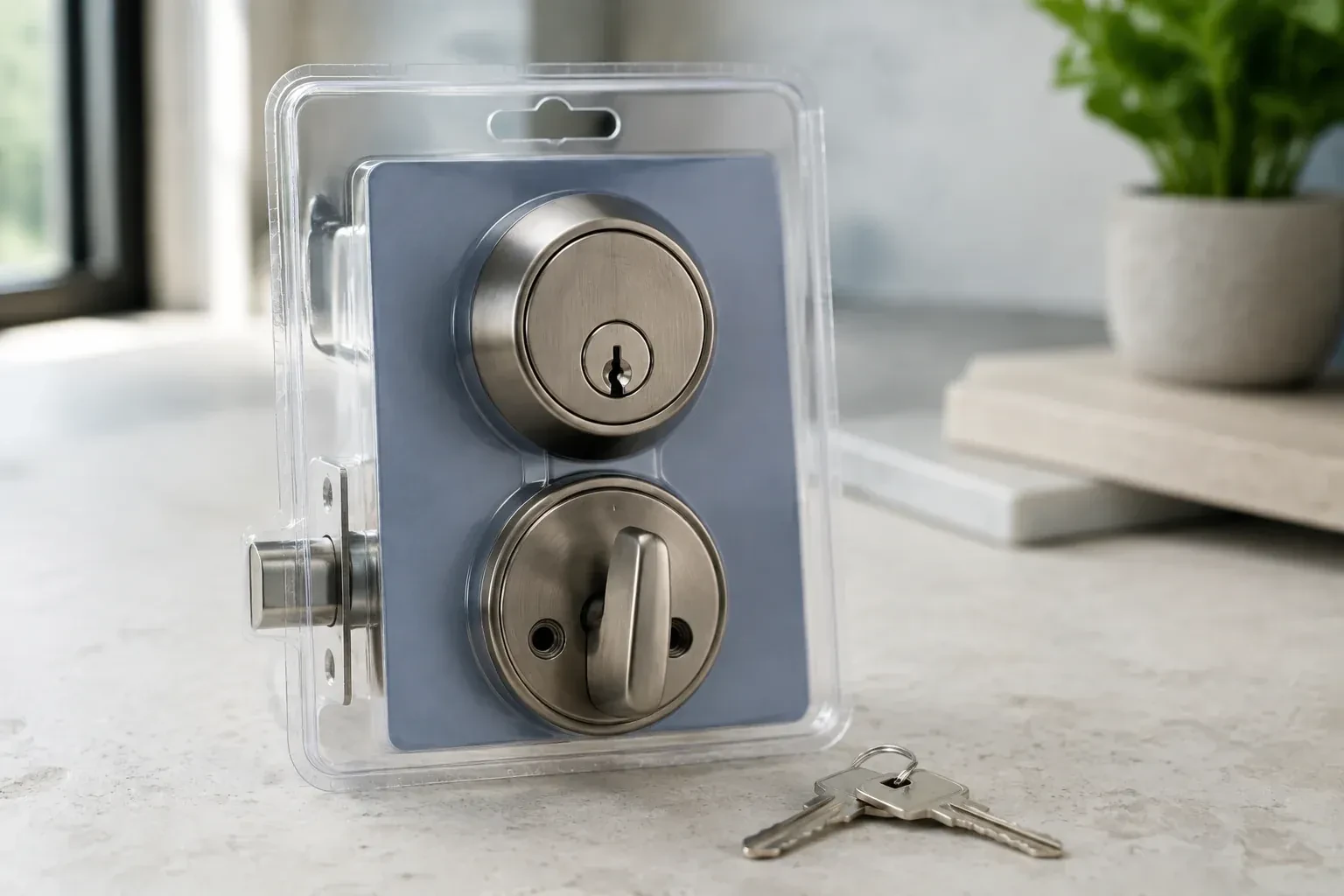
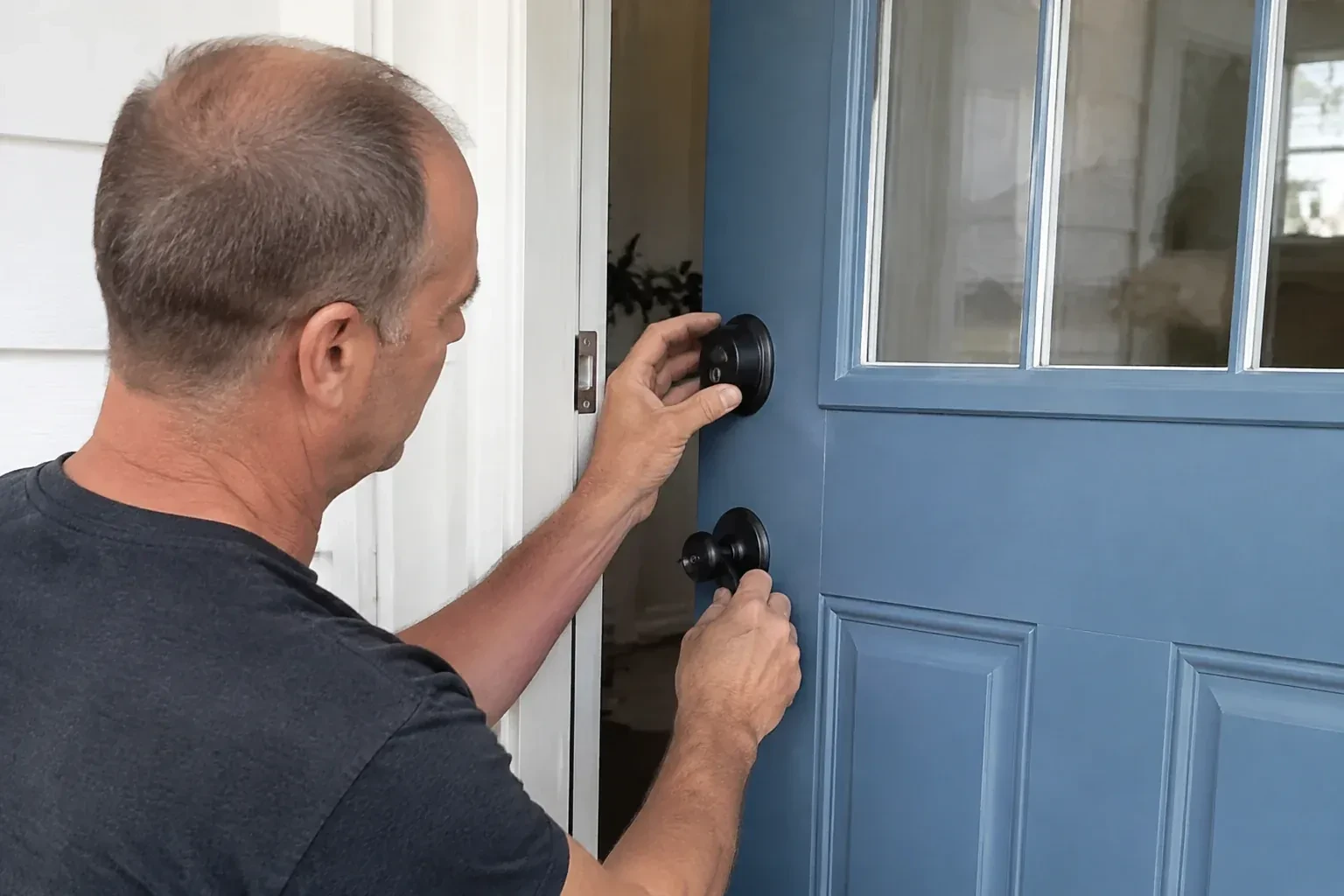
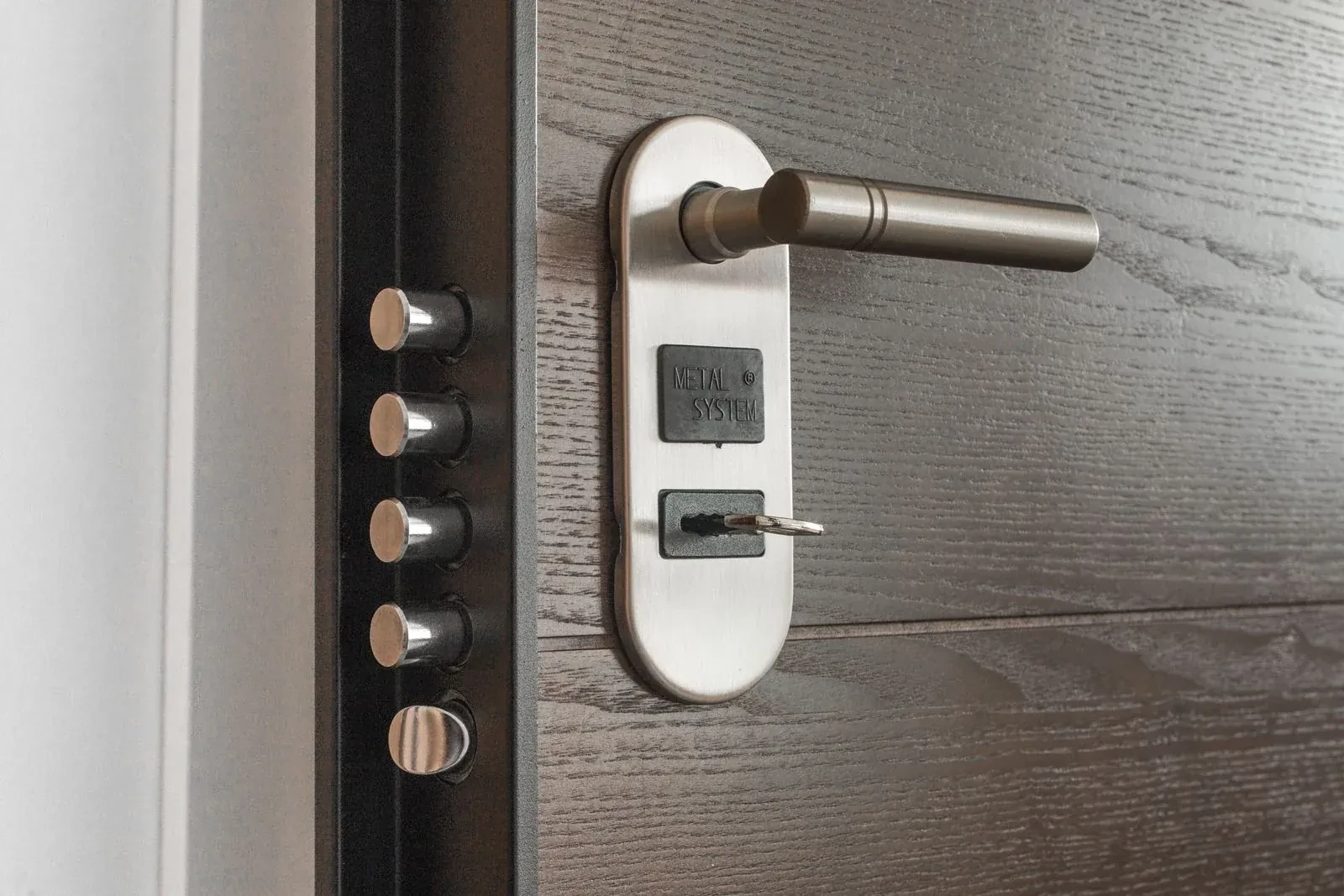
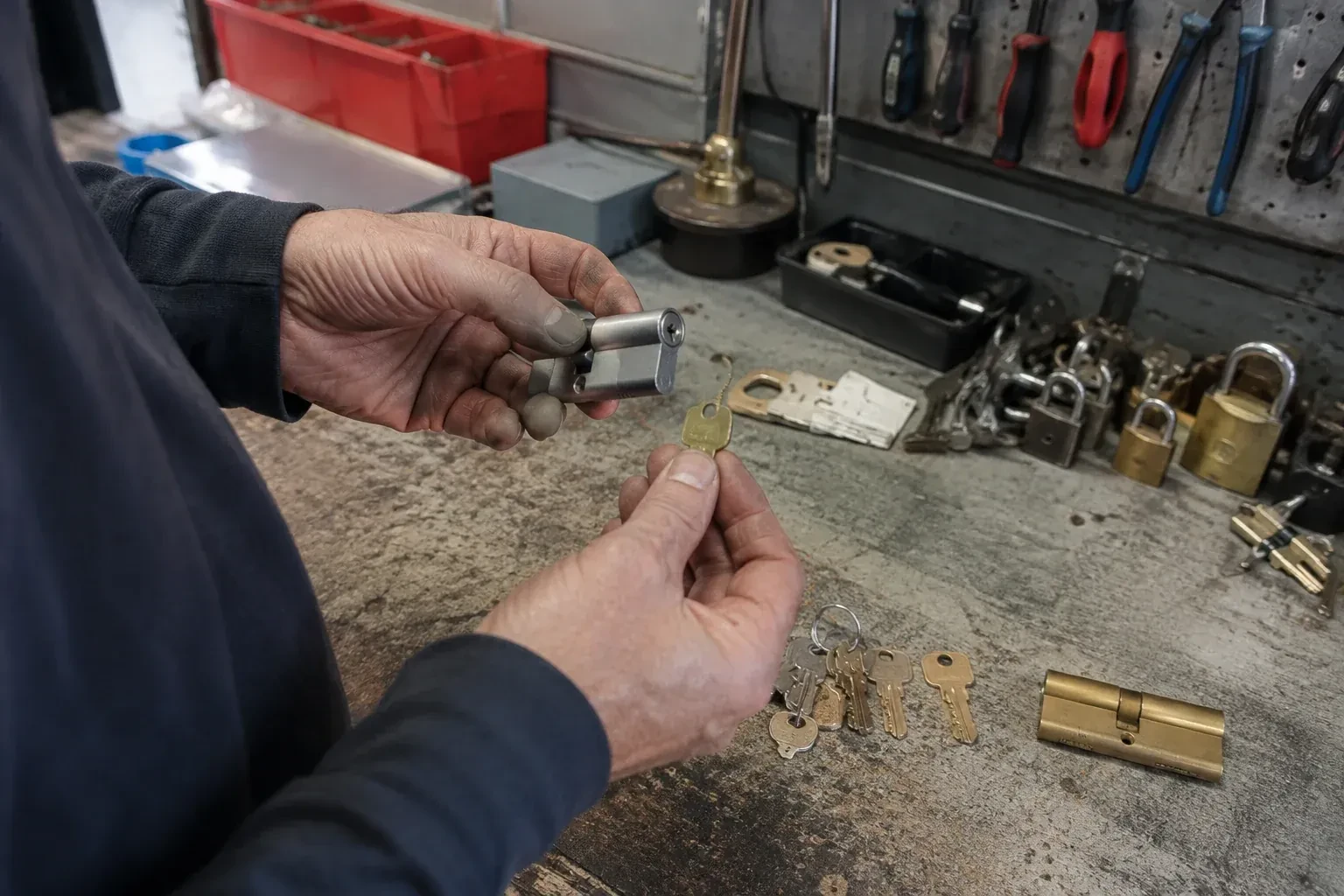
A good cylinder shrugs off picking and bumping; a deep strike plate with long screws stops a shoulder. Together they turn an ordinary front door into one that holds. We fit high-security hardware to houses across Unionville, set up keys that only you can have copied, and finish so the door closes as smoothly as before.
A good cylinder shrugs off picking and bumping; a deep strike plate with long screws stops a shoulder. Together they turn an ordinary front door into one that holds. We fit high-security hardware to houses across Unionville, set up keys that only you can have copied, and finish so the door closes as smoothly as before.
Practical locksmithing for real doors.
Businesses in Unionville get exit hardware that lets everyone leave without hunting for a key, while the door stays locked from the outside. We fit and adjust push bars, panic bars and deadlatches, set the closers so the door shuts on its own, and check that the whole exit path works in one motion from inside.
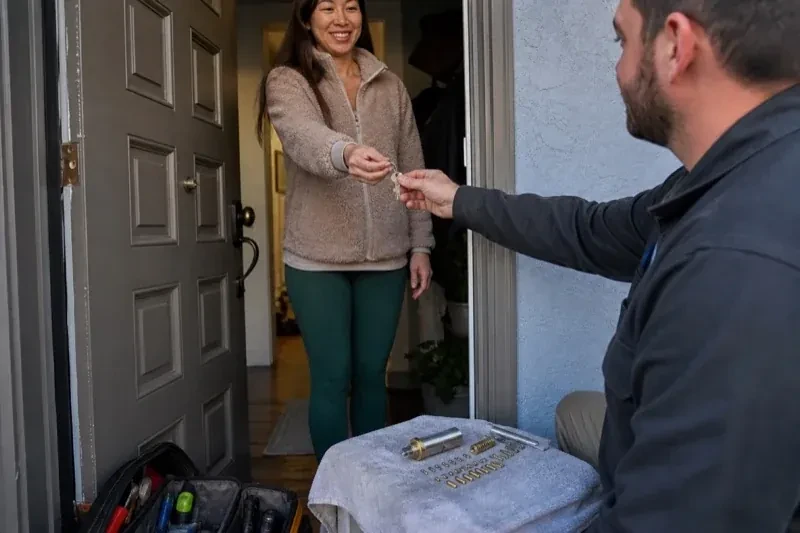
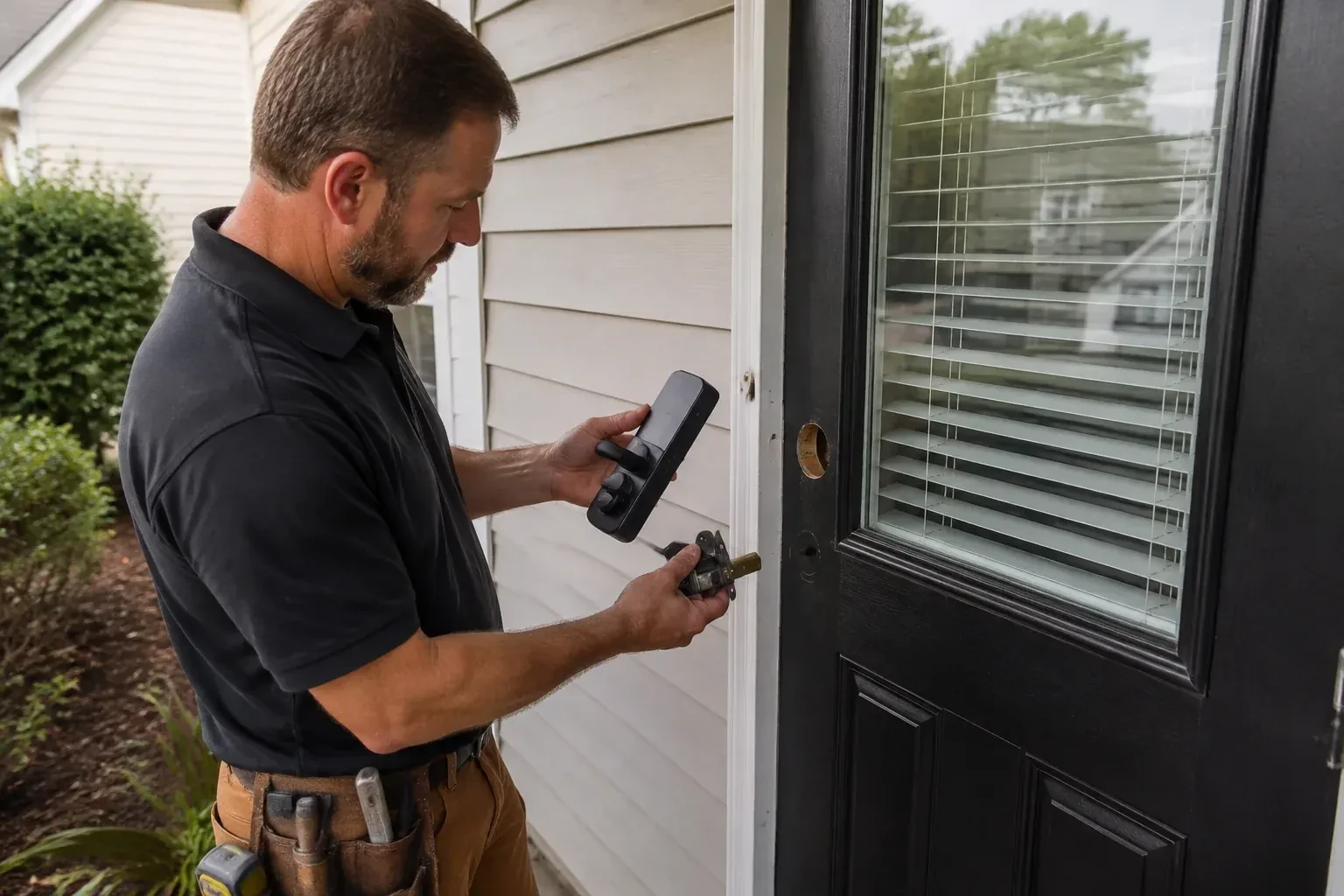
We treat every home in Unionville as a home, not a job site. Covers go down, tools stay on a mat, shavings get vacuumed and old hardware leaves with us. The work itself, whether rekeying, replacing a cylinder or fitting a new strike, is done to leave the door working and looking as if nobody had been there.
18years in business
24/7open every day
Explained before any tool comes out. You will hear what we found, what we suggest and why, before anything is changed. If you want a minute to think, take it.
Choices, not a single answer. Most problems have more than one fix. We lay out the practical options and the trade-offs, then let you choose the one that fits your home and budget.
A tidy doorstep. Shavings swept, packaging taken away, the old hardware offered to you or disposed of. The only sign we were there is a lock that works.
From the front door of a house to the back door of a warehouse, the work in Unionville comes down to a few families of jobs: getting in, changing who can get in, making it harder for the wrong people to get in, and keeping the hardware turning smoothly year after year. Browse the list to find yours.
About 19% of homes in Markham were built in 1980 or earlier, according to the 2021 Census.
Newer homes
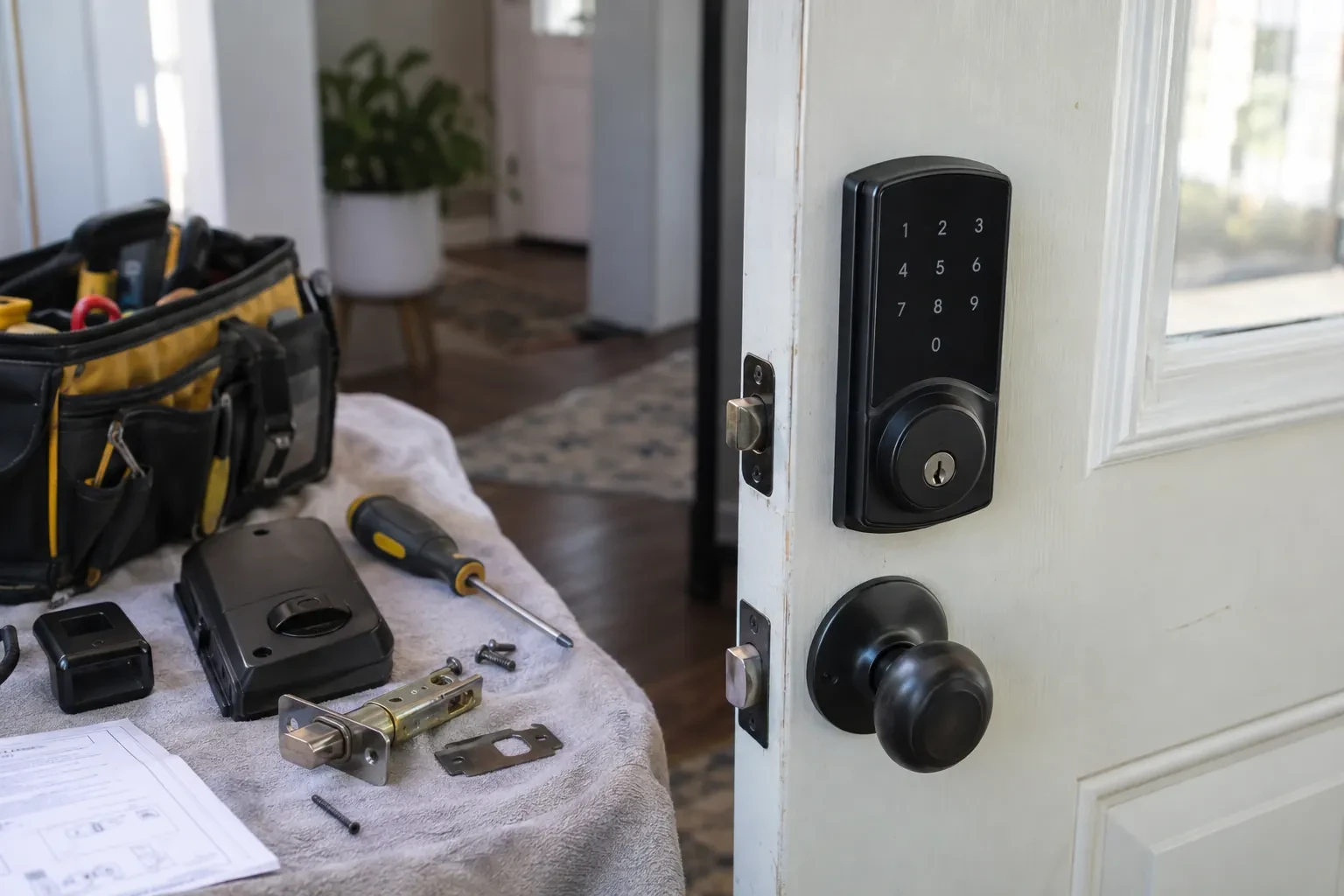
Households in newer homes are often keen on keypads, fobs and phone-controlled locks. Standard doors make installation straightforward, and the locksmith spends more of the visit setting codes and pairing devices than on carpentry.
Single-detached houses make up about 56% of homes in Markham (2021 Census).
In areas of mixed housing, landlords may own a house here and a few units there. A locksmith can put all of it under one master system so the owner carries one key while each tenant's key opens only their own door.
For homes, high security usually means a graded deadbolt, a patented cylinder and long screws into the frame. For businesses it adds laboratory-rated cylinders, heavy lock bodies and a key register. Both start with a conversation about what the door protects.
Clinics and pharmacies, schools and daycare rooms, offices with confidential files: these premises need doors that lock reliably and also release instantly from inside. Commercial locksmithing balances the two, with hardware chosen for each opening.
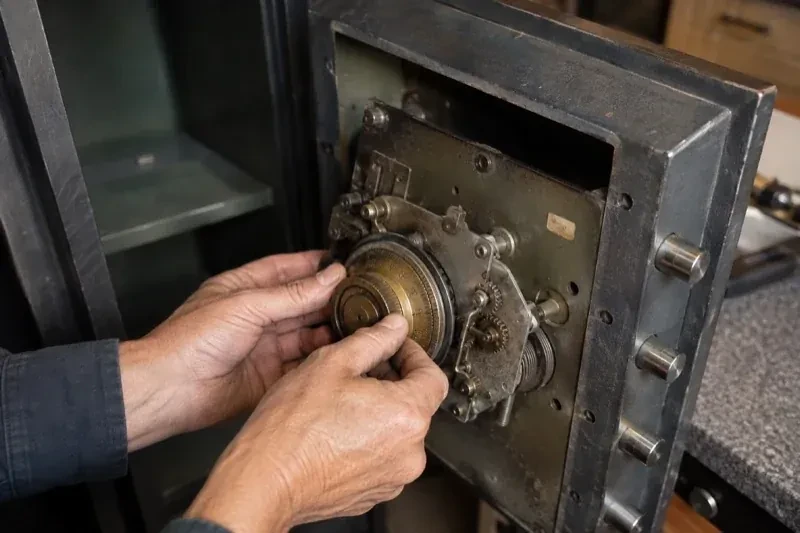
Pry marks circle the dial after an overnight break-in attempt, and the safe now refuses every number that used to open it, as if something inside has locked itself down.
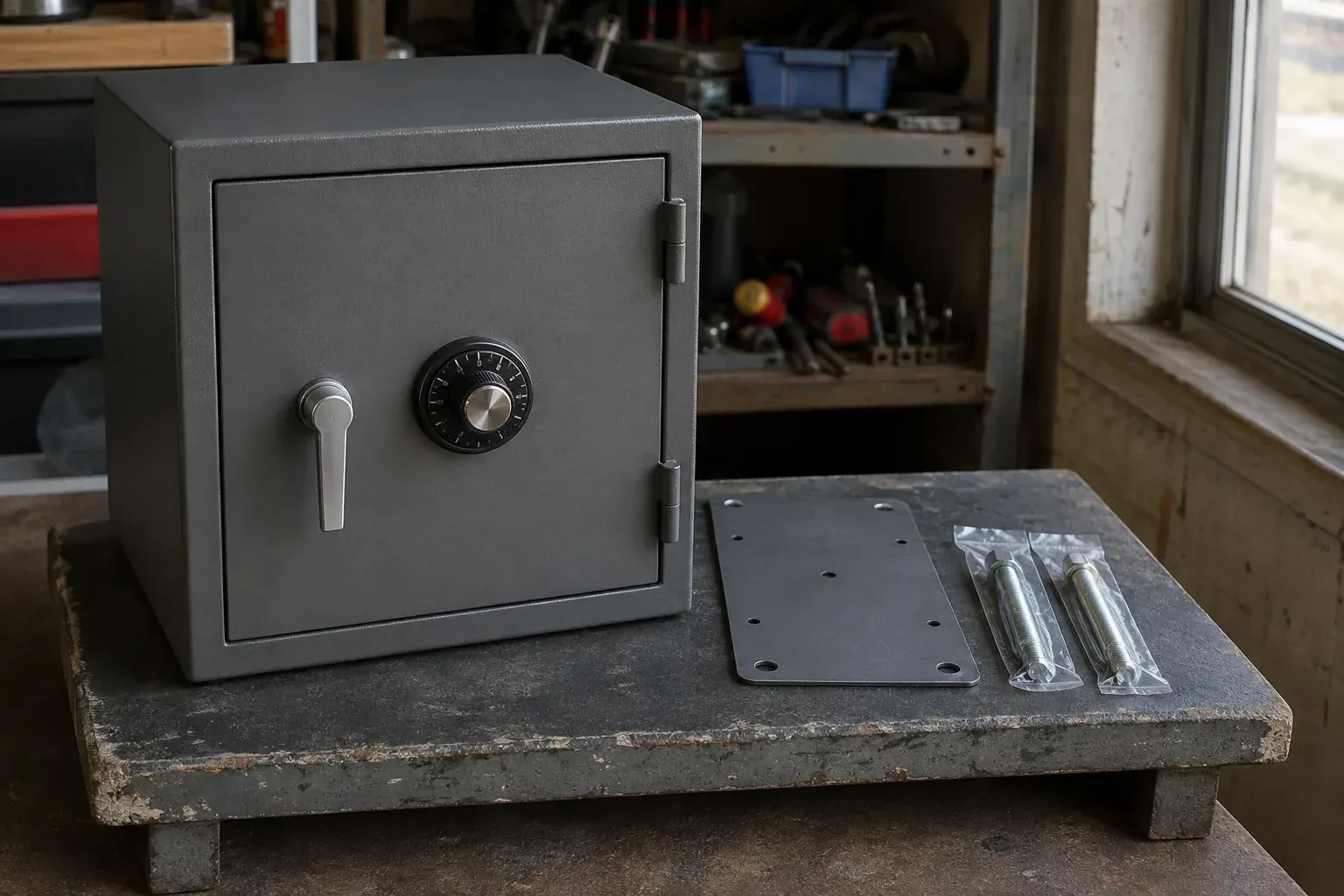
A homeowner inherited a heavy old dial safe from a parent's house, moved it into the new place, and has no idea whether the bolt-work still works, whether the lock is sound, or how it should be anchored.
WhySometimes the reason is simply that the hardware looks wrong or has weathered badly.
The key still turns, but lately it spins a half-circle further than it used to before the little door lets go, and some mornings it takes a second try.
WhyWhen the real concern is who else might hold a key, replacement settles it at the root.
A safe sat in a late parent's basement for years, its combination known to nobody left in the family, and everyone would like to know what is actually inside it.
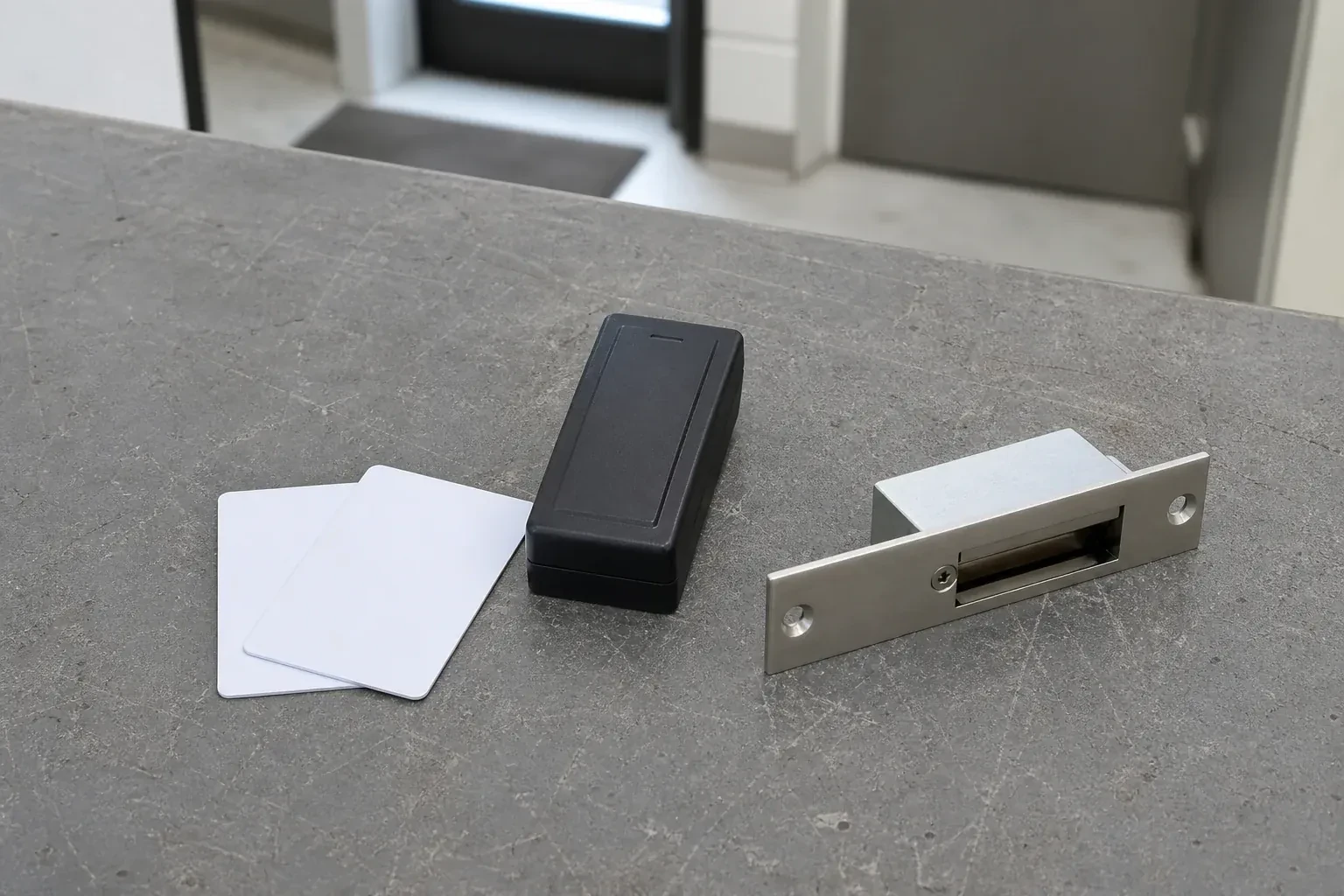
WhyCredentials take several forms, and most installations end up mixing them: a proximity card or fob held near a reader, a keypad code typed at the door, or a mobile credential read from a phone.
The key to the office entrance turns with almost no resistance now, and some mornings the deadbolt does not fully retract until someone jiggles the handle and tries the key again.
WhyThink of it as re-equipping a door for the job it actually does rather than swapping one lock for a similar one.
Every fob for the car disappeared at once inside a bag that was never recovered, and the vehicle now sits in the driveway with no way in and no way to start it.
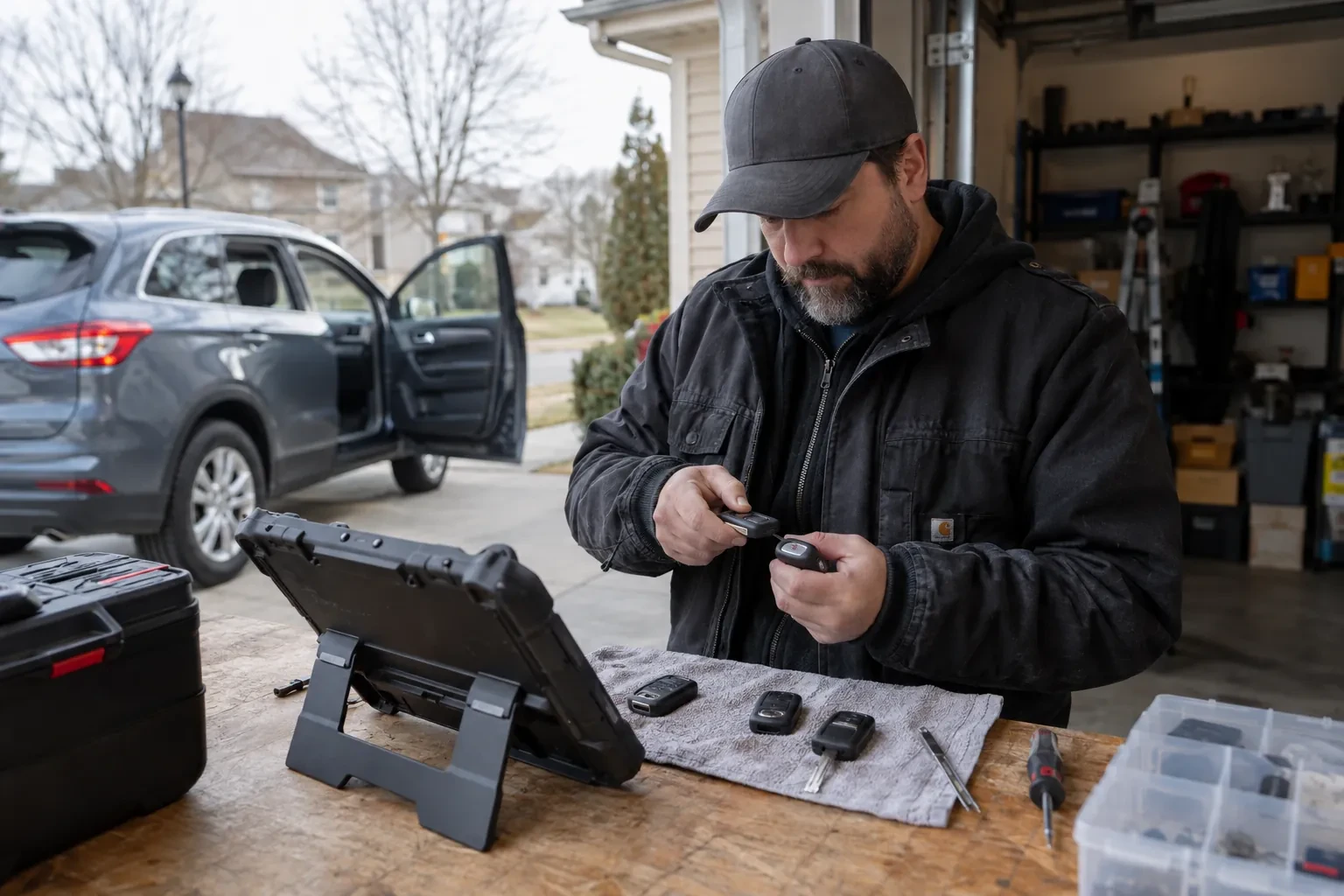
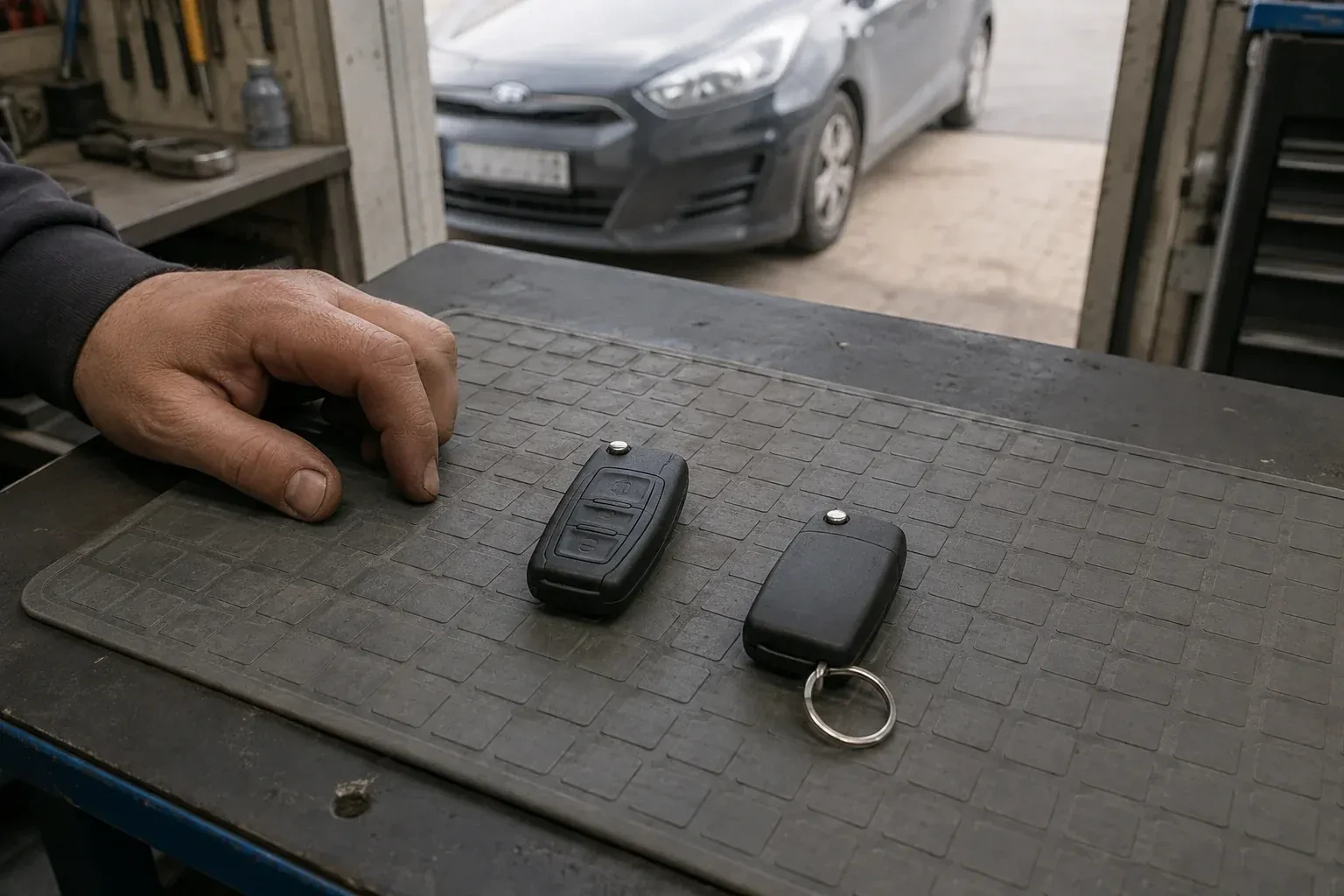
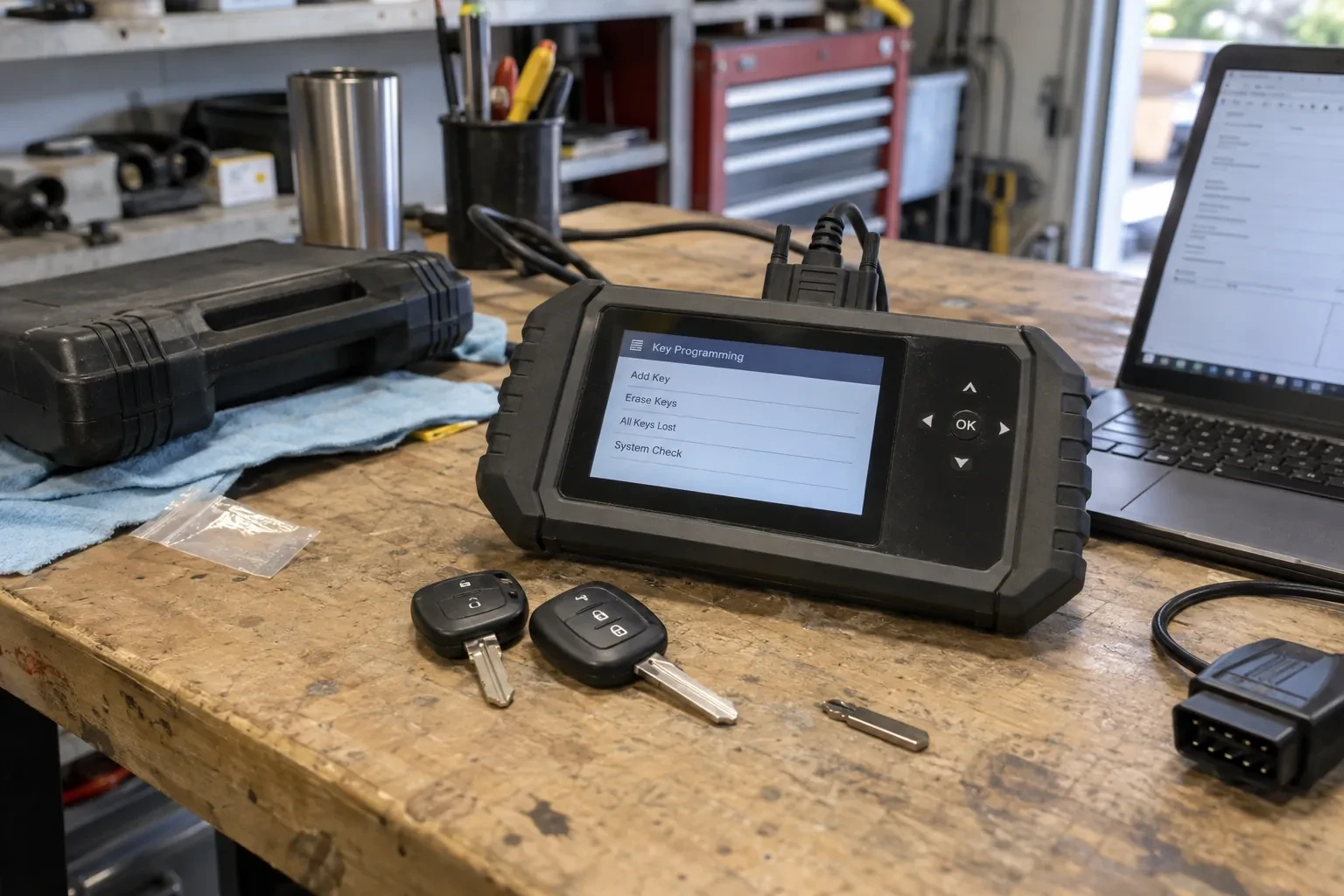
WhyKey fob programming introduces a fob, remote or smart key into a vehicle's memory so every function it offers actually operates the car: the locks, the alarm, starting authorization, and on many vehicles passive entry, which unlocks the door once it is nearby and the handle is touched, gripped or pressed, since unlocking on approach alone is a separate feature found on only some vehicles.
The key turns half a rotation in the ignition, catches, then the blade lets go with a small snap.
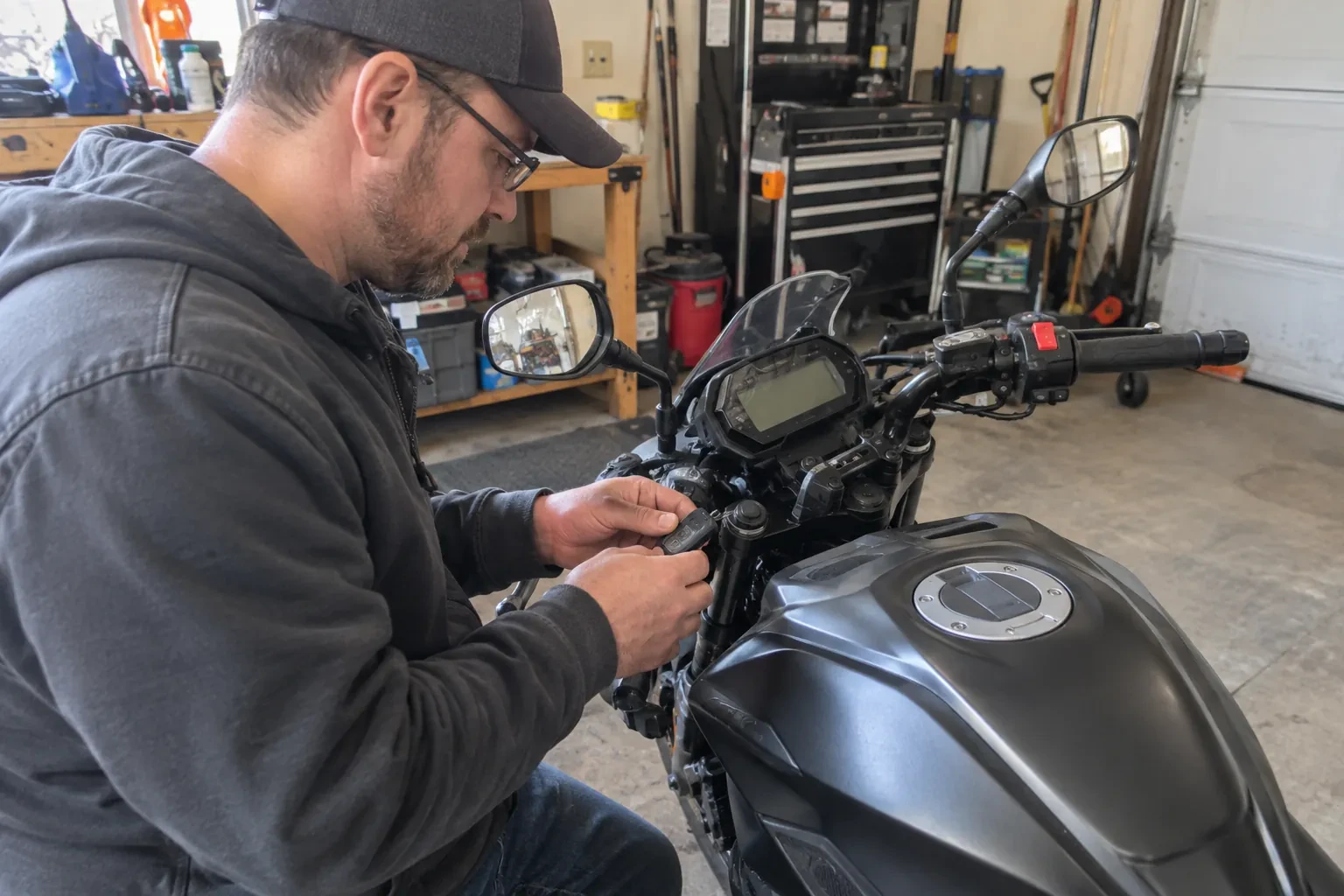
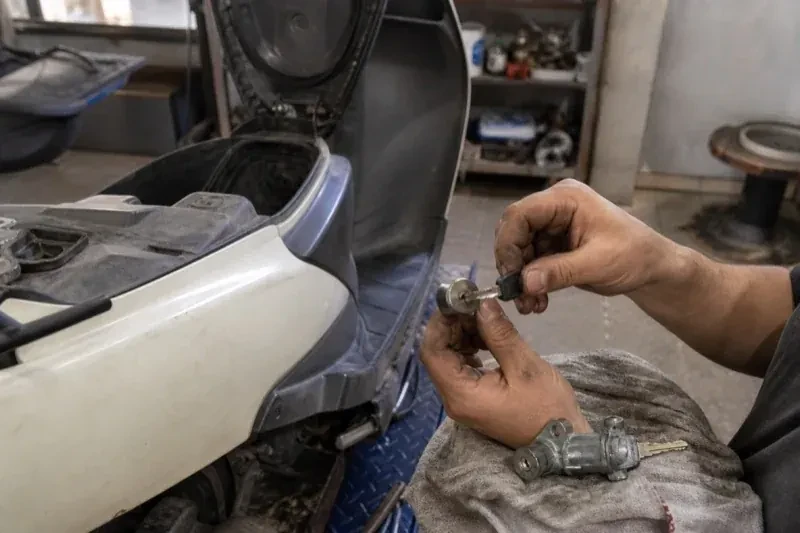
WhyMotorcycle and scooter key service is the work of producing a key that a two-wheeled machine will actually accept, whether that means cutting a plain blade, decoding an ignition lock with no key at all, or programming a transponder that talks to the engine control unit.
Good days. Start with a turn.
1/9Lost Keys — Same-Visit Rekey
You let a part-time employee go on Friday. The shop key is on a ring in their apartment, or their car, or a friend's kitchen, and on Monday morning the register and the stock room open with it.
One key for the front door, another for the back, a third for the side door into the garage, and a fourth for the shed. You stand on the step every evening flipping through them in the dark, trying each one until something turns.
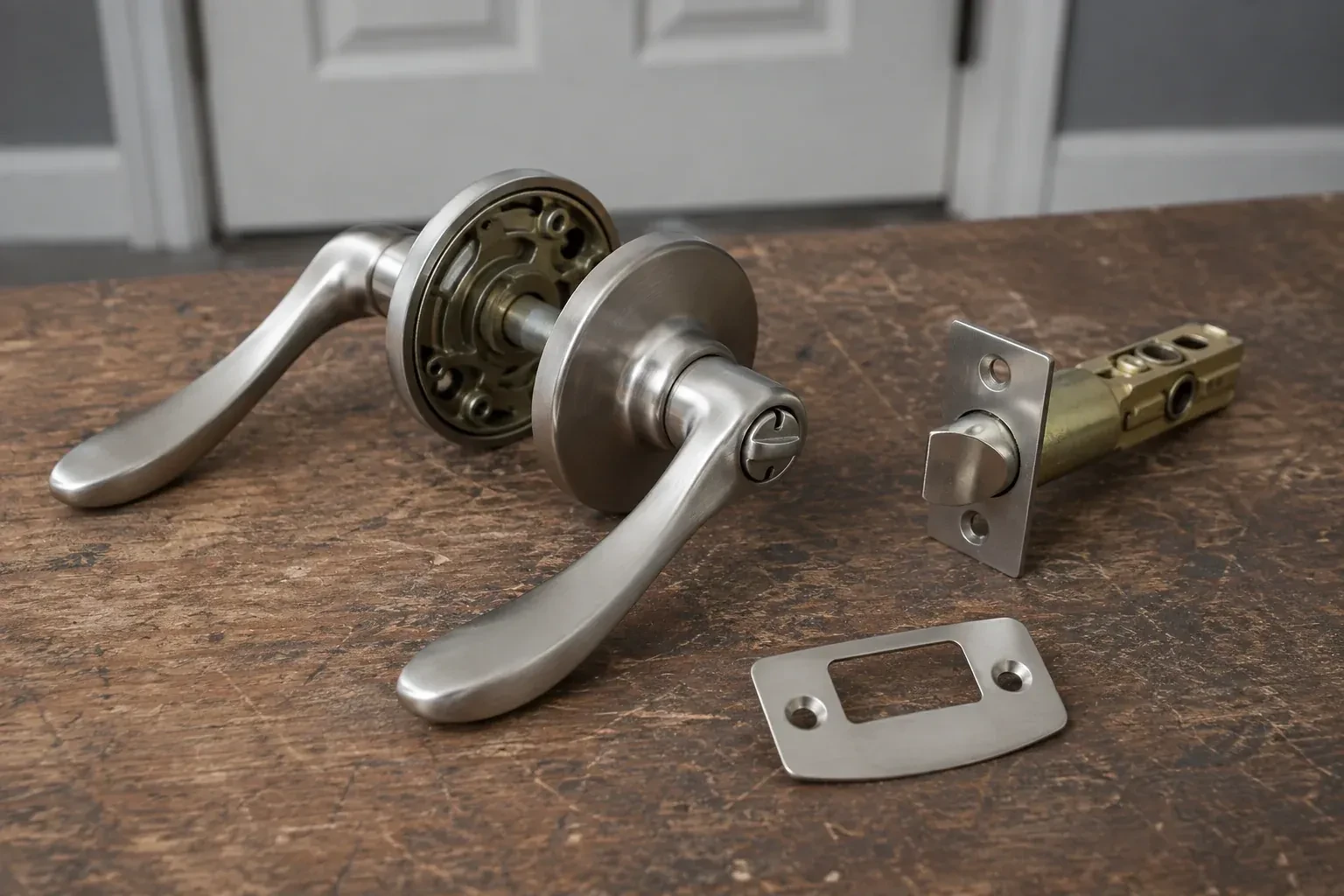
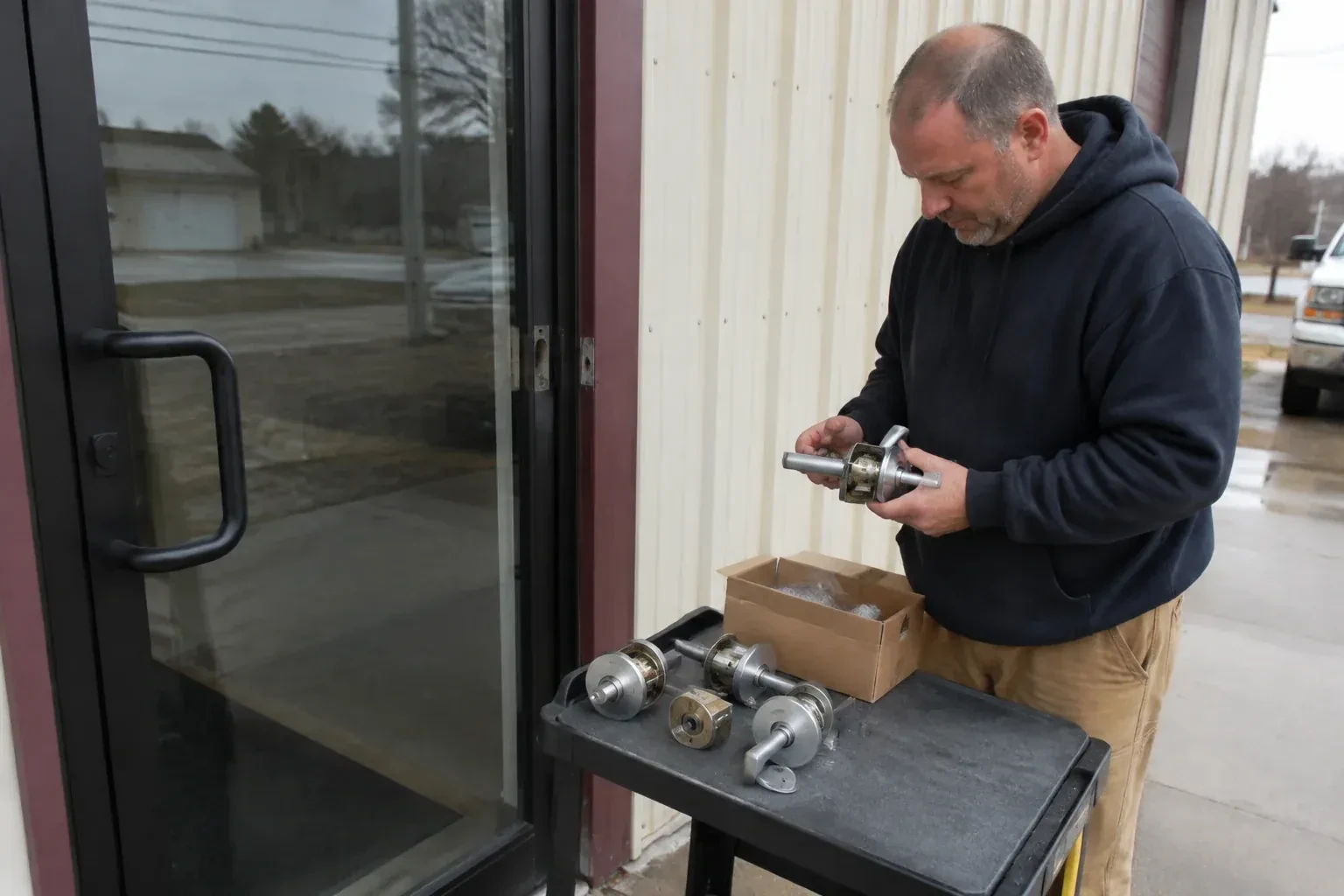
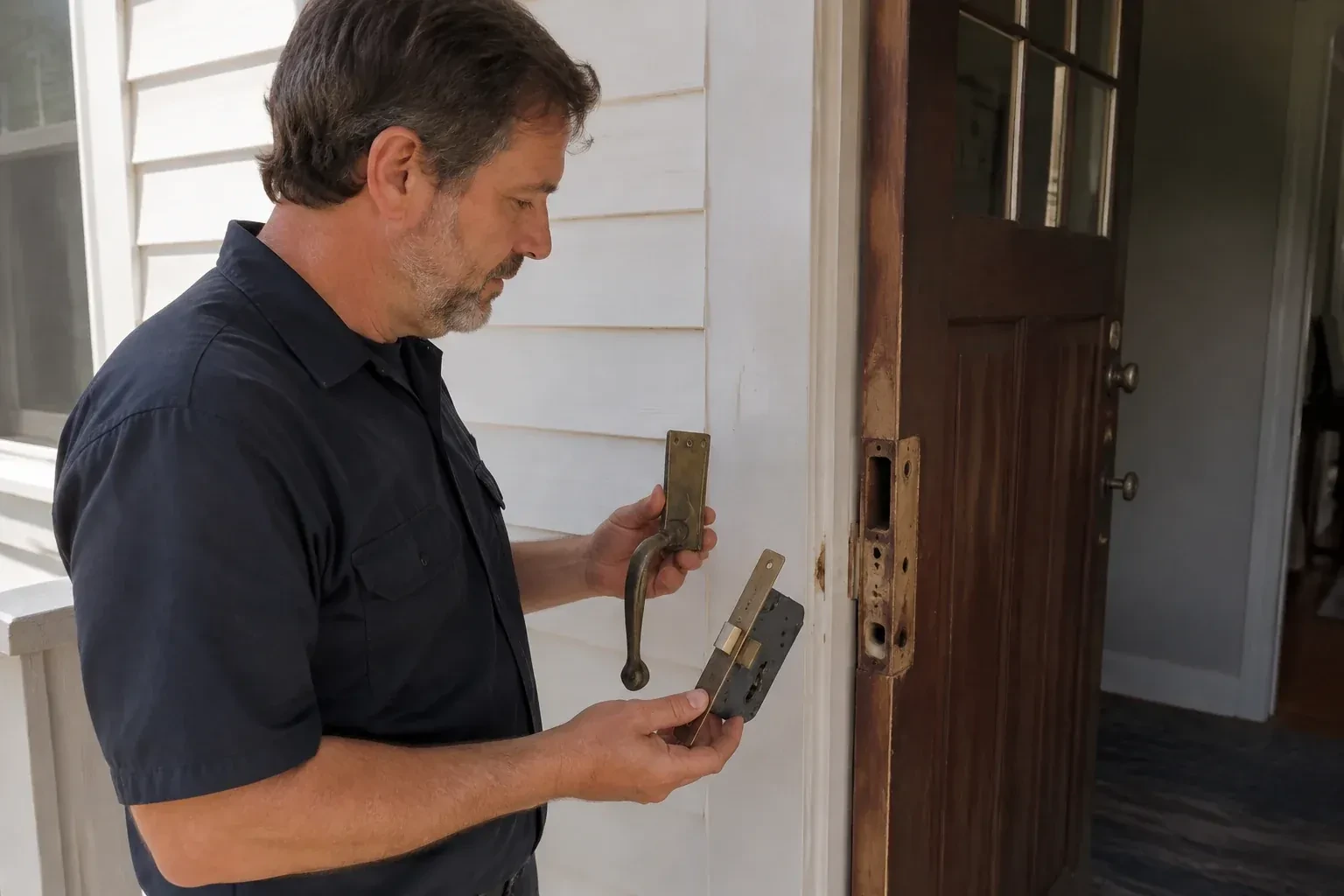
The century home's original mortise lock takes a key the size of a spoon, sticks in humid weather and has worn its strike to a groove. You want a lock that works every day without giving up the old door.
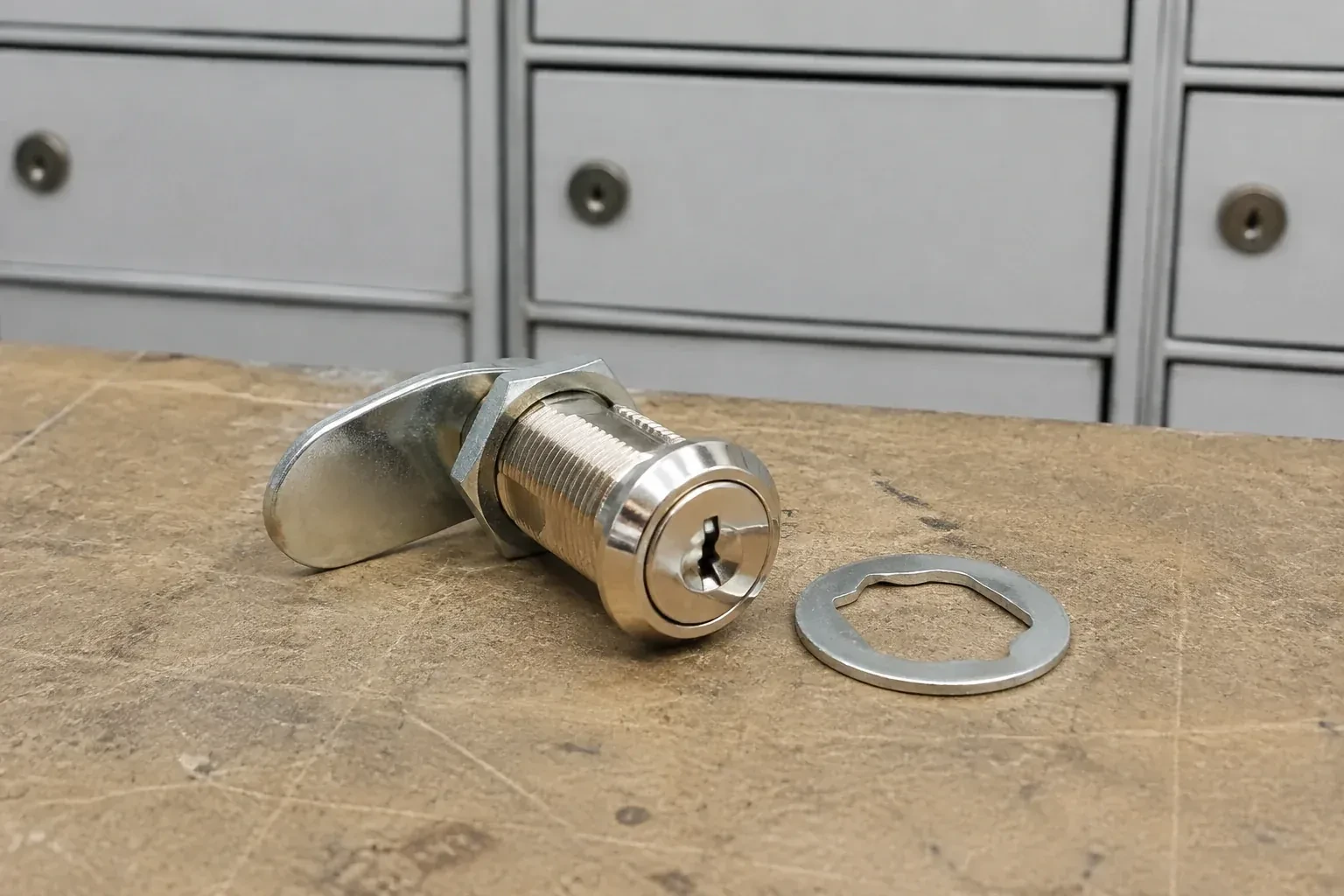
The key still turns, but lately it spins a half-circle further than it used to before the little door lets go, and some mornings it takes a second try. The small cam lock inside is simply worn out.
A safe sat in a late parent's basement for years, its combination known to nobody left in the family, and everyone would like to know what is actually inside it.
The team has grown past the point where one shared key still makes sense. New hires need a way in before a manager arrives, and the current setup cannot tell one person's entry from another's.
The key to the office entrance turns with almost no resistance now, and some mornings the deadbolt does not fully retract until someone jiggles the handle and tries the key again.
Every fob for the car disappeared at once inside a bag that was never recovered, and the vehicle now sits in the driveway with no way in and no way to start it. A dealership visit would mean arranging a tow; a mobile programming visit is the other route.
The key turns half a rotation in the ignition, catches, then the blade lets go with a small snap. The bow is still in your hand; the rest of it is somewhere inside a lock that now has nothing to grip.
Walk the property and note every door the missing key opened, including the garage, shed and gate. Gather any keys you still have, since a working key helps in reading each cylinder. Have identification and, for tenants, something showing the tenancy. Decide roughly how many keys you want and whether you would like all doors on one key. If a garage remote or building fob was lost too, mention it when you book.
How often should locks be rekeyed?
There is no calendar for it. What matters is who holds a key, not how many years have passed. Think about it when occupancy changes hands, when someone who had a key no longer needs one, or when a ring goes missing along with something that shows where you live. Between those moments a well-kept cylinder may need no scheduled care, and when it does, use whatever that cylinder's maker specifies. With the doors already on one recorded system, any repeat is a short piece of work.
Is a smart lock a good upgrade, and what happens when the batteries run out?
For a household with many people coming and going, codes that can be added and removed are a real convenience. Behind the keypad it is still a deadbolt, so grade and strike matter as much as ever. Batteries typically last months and the lock warns you as they fade; depending on the model, a dead battery is handled with a mechanical override key or with external contacts for a temporary power source, so it is worth confirming which one your lock uses.
Can you service a community mailbox that the postal operator installed on our street?
That particular kind of mailbox is owned and serviced directly by the postal operator, including its locks and replacement keys, so a resident with a lost key there contacts them rather than a locksmith. This service covers mailboxes that belong to a home, a business, or a condo or apartment building, such as a lobby panel or a slot built into a house door.
Do drop safes or under-counter cash safes work the same way as a larger floor safe?
The identification step is the same regardless of size, but the lock inside is not assumed from the safe's size: a small drop safe or under-counter unit can carry anything from a basic keypad to a high-security lock, so each is identified on its own before manipulation, reset or a combination change proceeds, with the same care around authority and aftercare applying equally.
Is a keypad code as secure as a card or fob?
A keypad code needs no card to lose, but a code shared among several people is effectively no longer individual, and a forgotten code left active is a common weak point. A card or fob tied to one named person avoids that particular issue, since it is switched off individually rather than reset for everyone at once. Many businesses use a code for general areas and a card wherever entry needs to be traceable to one person.
What is the difference between a mortise lock and a cylindrical lockset?
A mortise lock has its whole mechanism, latch, deadbolt and sometimes a separate handle function, built into one case that sits inside a pocket cut into the door's edge. A cylindrical lockset is a bored-in unit, simpler to service, common on standard commercial and residential doors alike. Which one your door takes depends on how it was originally prepped, not on preference alone.
Is fixing a lost key different from just adding a spare?
Yes. Adding a spare while every existing fob still works only involves registering the new one. A lost key involves that same registration plus removing the missing fob's authorization following that vehicle's own procedure, since leaving it active means whoever has it can still use it; some vehicles also relearn the fobs you keep, and a mechanical blade in the lost fob is ruled out by rekeying the matching lock. The two situations share a first step but not a last one.
I only have the key, not the bike here. Can you still cut one from it?
Yes, a key on its own can usually be read and duplicated without the machine present, since the cuts on the blade carry the information the locksmith needs. What cannot be confirmed without the bike is whether an immobiliser is fitted or whether other locks are keyed the same way, so bringing the machine, or at least a photo of the ignition and dash, helps decide whether anything beyond a straightforward copy is needed.
Request a visit
Businesses in Unionville get exit hardware that lets everyone leave without hunting for a key, while the door stays locked from the outside. We fit and adjust push bars, panic bars and deadlatches, set the closers so the door shuts on its own, and check that the whole exit path works in one motion from inside.