Car keys · Cachet
Car Key Replacement in Cachet
After fifteen years the blade has worn to a smooth sliver.
In plain words
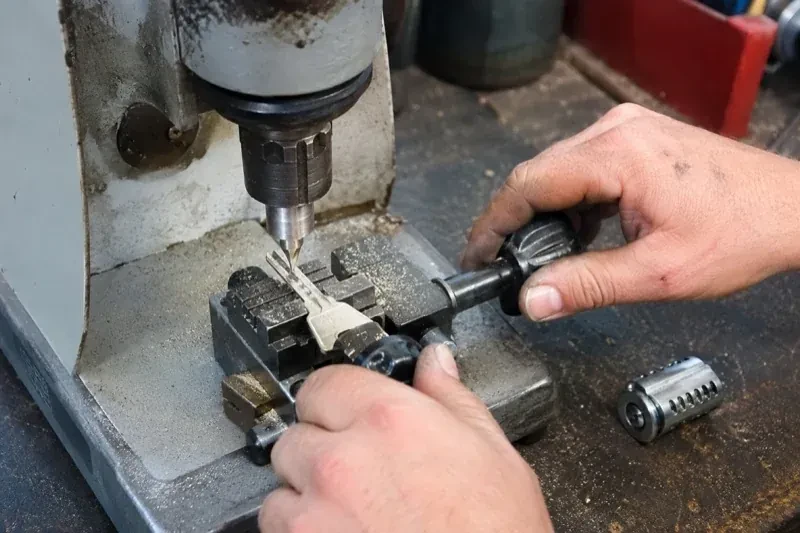
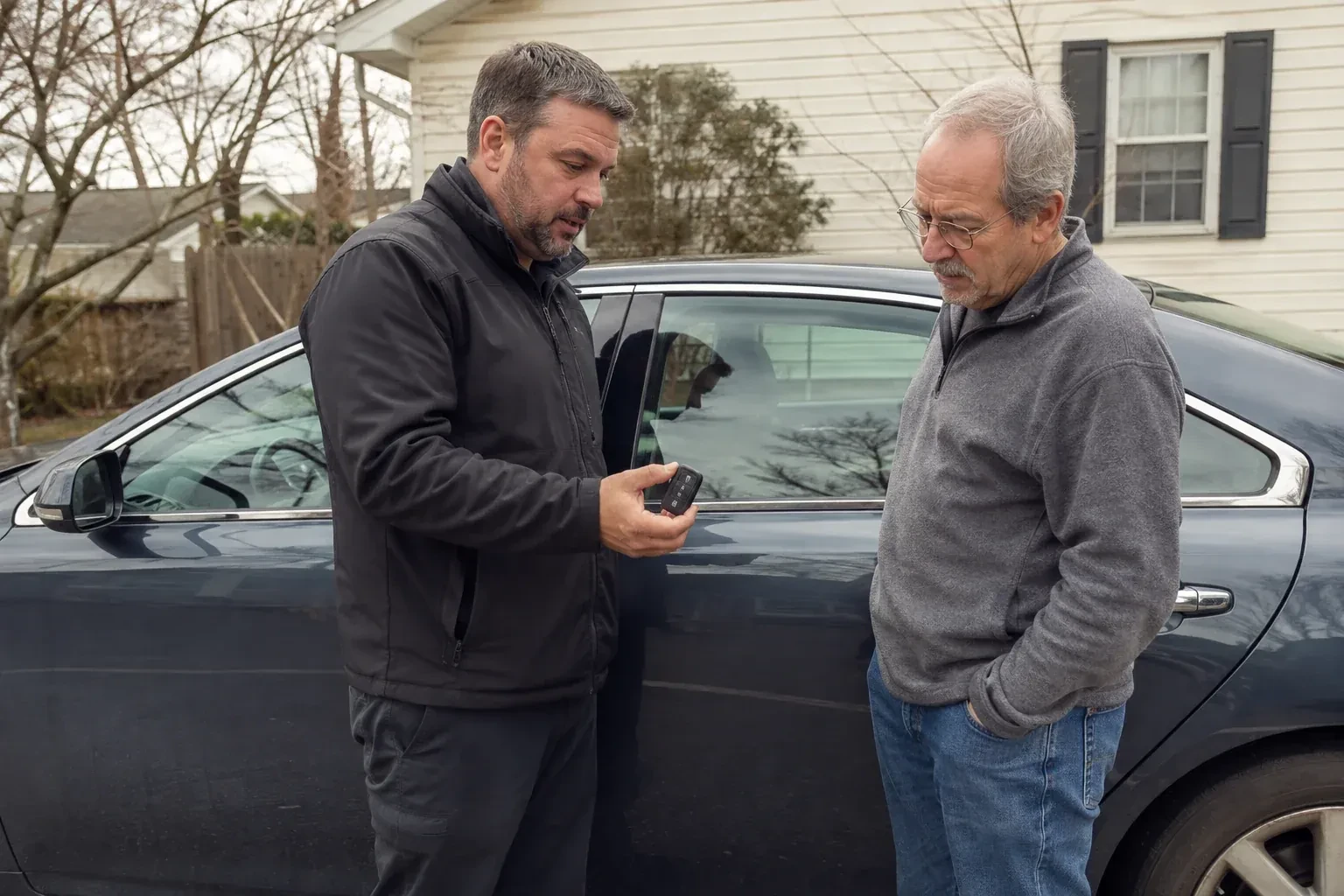
Most replacement keys are made where the car is parked. A mobile locksmith carries blanks, a cutting machine and programming equipment in the van, plugs into the diagnostic port and does the work on your driveway, in a parking garage or at the roadside. For most vehicles there is no need to move the car to a shop, and you watch the key cut and tested on the spot; a few systems still need a dealer or an equipped shop, flagged by the VIN check. The locksmith needs the vehicle's identity, proof of ownership, and what the old key could do, so the right parts are on board.
How the visit goesAfter fifteen years the blade has worn to a smooth sliver. It needs a jiggle in the ignition most mornings, this week it took three tries, and a copy cut from that same worn key would only carry the wear forward.
Car Key Replacement
How the visit goes
Which functions the new key should have
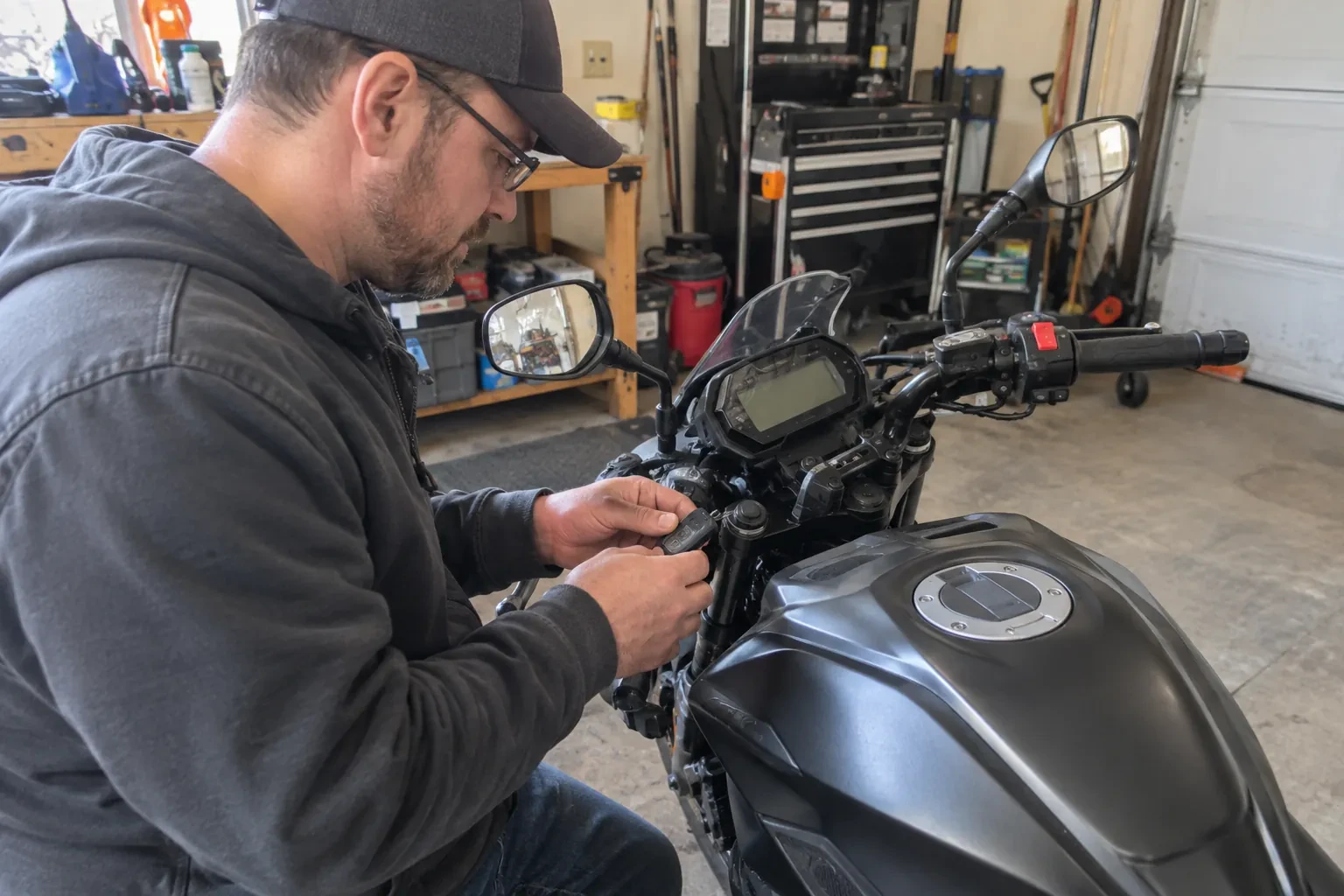
Not every key for the same car does the same things, so the locksmith asks what the old one did and what you would like now. Lock and unlock are standard; trunk release, panic alarm, remote start and memory seat recall depend on the fob part number and how the car is equipped. Phone-as-a-key is separate, set up through the vehicle's own software and account rather than by fob part number. Some owners want a plain spare key; others want a full duplicate of the original fob. Naming the functions up front means the right part is fitted and each one is tested at the end.
All keys lost: reset first, then reissue
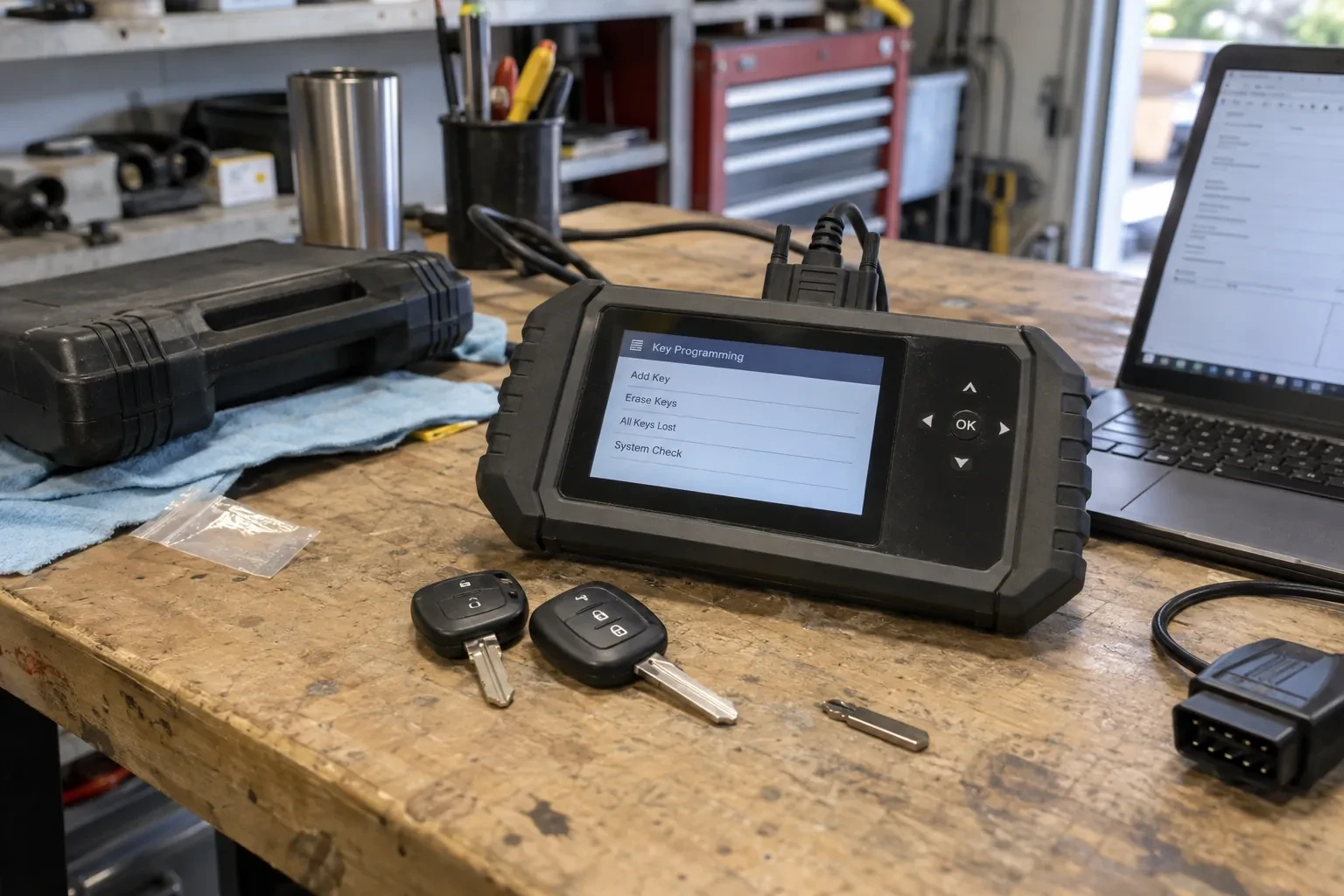
When nothing remains, the sequence changes. The car is opened, the blade is produced from the lock or the code, and then, where the system supports it, the immobilizer memory is reset so every stored key is erased; others follow their own maker-specific route instead. New keys are then registered one after another, and registering two gives the car a spare from day one. On some vehicles this stage needs a longer security timer or manufacturer data, which is arranged in advance. The old keys, wherever they are, are now unknown to the car. Each new key is then started and driven a short distance to confirm the reset held.
A record of what your key actually is
A car key has an identity of its own: a blade profile, a transponder type, a remote frequency and a part number, and sometimes a key code printed on a tag. The locksmith notes these for you, along with the count of keys stored in the car, so the next spare can be prepared from the details rather than from scratch. Keep the note with your insurance papers rather than in the car. If the vehicle ever changes hands, the record also lets the new owner have the old keys erased and fresh ones made without guesswork about what the car uses.
Car Key Replacement
In the van
Decoding pick and lock reader
OBD programming tool
Laser-style milling cutter
Fob coin-cell battery
Transponder key blank
Car Key Replacement
What affects the quote
Year, make and model
The vehicle decides the blank, the chip and the programming route. A twenty-year-old sedan with a plain transponder key and a recent proximity-start model are different jobs, and the quote follows the VIN rather than a flat figure.
One working key or none
A spare added beside a working key is a shorter routine. Starting from nothing means working through whatever that vehicle's own all-keys-lost procedure calls for, commonly opening the car, decoding the lock and resetting the immobilizer, and the quote reflects those extra stages.
Programming route the car allows
Some vehicles accept a new key through an on-board routine, most through the programming tool, and a few only through a dealer procedure. The route determines the time and the data involved, and the quote says which it is.
What to have ready
- Where is the car parked right now, and is it locked?
- Do you have any key that still starts the car, or are they all gone?
- Would you like any missing keys erased so they can no longer start the car?
Car Key Replacement: questions
QuestionsMy key needs a wiggle in the ignition. Will a new key help?
Often, yes. A key that has been copied from copies or worn thin over the years lifts the wafers to the wrong heights, and a fresh blade cut to code restores the fit. If the wiggle continues with the new key, the wafers in the ignition cylinder have worn as well, and that cylinder can be overhauled so both the old and new keys turn cleanly. The locksmith checks the cylinder during the visit and tells you which it is.
The fob died in the cold. Is that a battery or the key?
Almost always the battery. Coin cells deliver less in deep cold, and a cell that was already weak goes quiet on the first bitter morning. Most cars still start with a flat fob if it is pressed to the start button or laid in a marked slot, and the emergency blade opens the door. Replace the cell, and if the fob stays silent with a fresh one, the remote board or a corroded contact is the next thing to look at.
After a break-in the doors and ignition are on different keys. Can that be fixed?
Yes. When a door lock is forced and replaced, or an ignition is swapped, the car can end up needing two blades. A locksmith can rekey the replacement cylinder to match the surviving one, so a single key operates every lock again, and cut new keys to that combination. The transponder side is unchanged by the lock work, so your existing programmed keys carry on starting the car once the blades match.
Related services
- Spare Car Key DuplicationThe paperwork for the used car changed hands last week, and the previous owner mentioned, almost as an afterthought, that a second key never turned up.
- Key Fob ProgrammingButtons on the fob still light up and the remote still clicks, but the vehicle refuses to start even with the fob sitting in the cupholder.
- Transponder Key ProgrammingEvery key that ever opened the car is gone at once, one taken with a stolen bag, the spare misplaced months ago and never replaced.