High security · Markham
High Security Locks
The restricted keys you bought years ago are no longer restricted; the locksmith mentioned the patent has run out and blanks are sold openly.
In plain words
The service begins with a conversation about what the door protects and what worries you, then a close look at the door as a whole: the cylinder, the bolt, the strike, the frame, the hinges and any glass nearby. From that the locksmith recommends a level of protection that matches the risk, fits it, and sets up the key system in your name. From then on, extra keys are cut only when you authorise them, and you receive a record of which key opens which door. It is the mechanical answer to the question most people eventually ask: who else has a key to this?
How the visit goesThe restricted keys you bought years ago are no longer restricted; the locksmith mentioned the patent has run out and blanks are sold openly. Your key control quietly stopped being control.
High Security Locks
How the visit goes
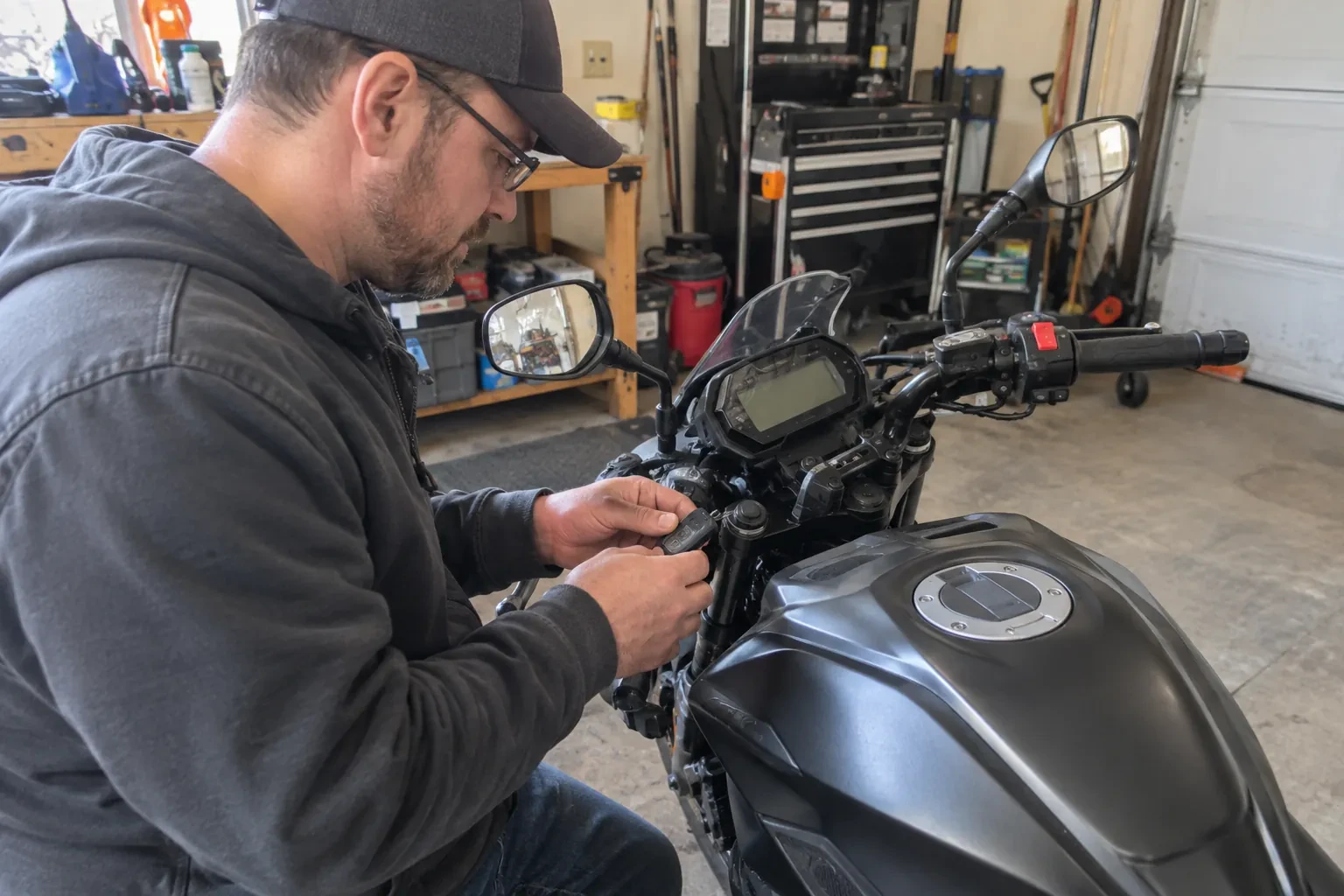
Reading the cylinder you have now
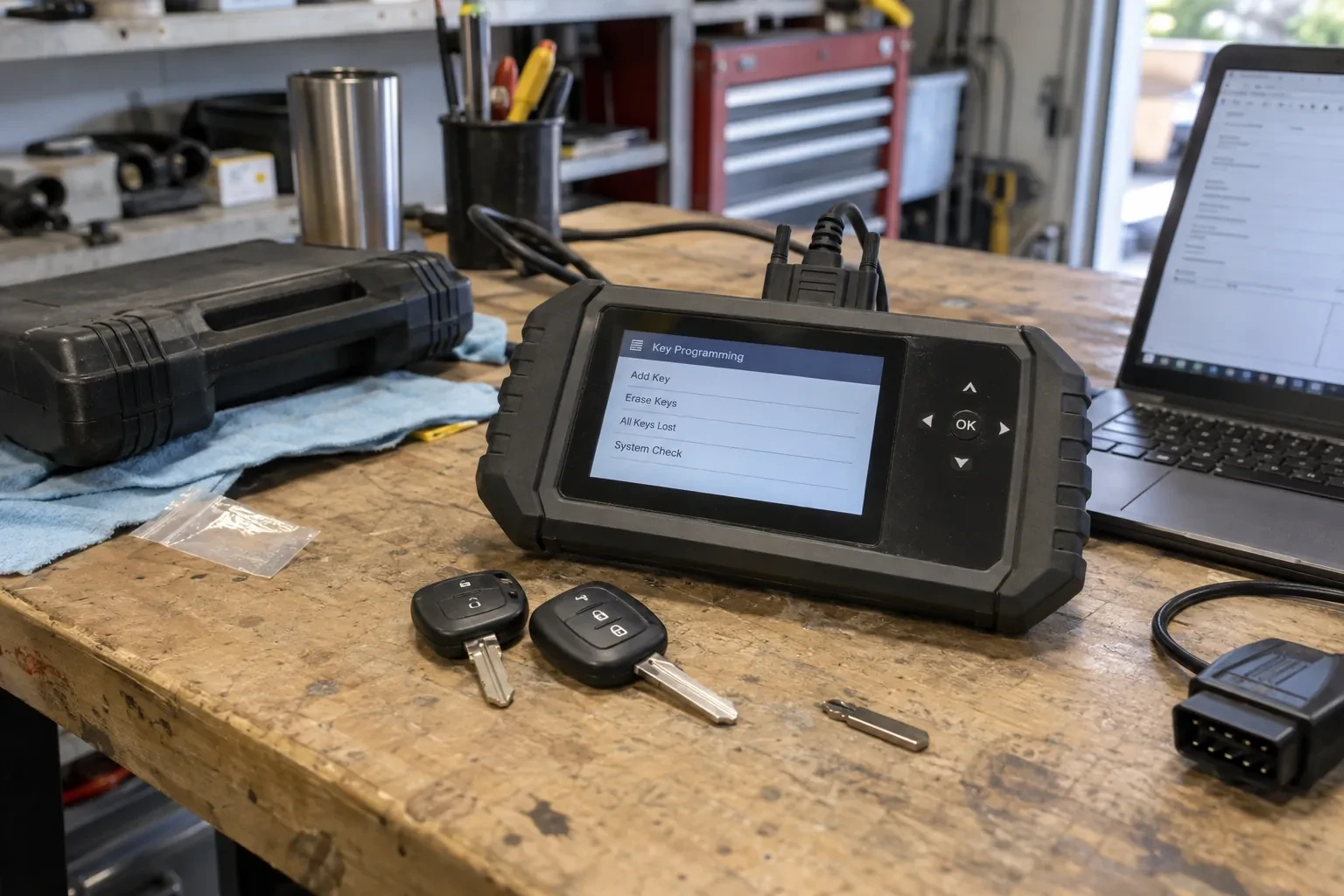
The existing cylinder tells the locksmith a great deal. A standard pin tumbler with an open keyway can be picked, bumped and duplicated by anyone with the blank. Worn pins let a key that is not quite right jiggle it open. A cylinder that spins loosely in its housing or shows a scratched face has been attacked or simply worn out. The locksmith identifies the format, whether key-in-knob, rim, mortise or interchangeable core, because that determines which high-security cylinders will drop into your present hardware and which will need a new lock body altogether.
Setting up controlled keys
The key system is registered to you before the first key is cut. The locksmith records the system, the authorised signatories and the number of keys issued, and hands you the authorisation card or online validation details. Every key is cut from code rather than copied, because the angled cuts or side milling must be exact for the sidebar to release. Extra keys later are ordered by an authorised person and logged, and blanks are not sold outside the manufacturer's network. This is what makes a key stop being a thing anyone can duplicate at a kiosk.
A known number of keys
The most noticeable change is not in the door but in your head. You know exactly how many keys exist, who holds each one and that nobody can add to that number without your authorisation. The system is registered in your name with the locksmith, so a request for an extra key comes back to you rather than being filled at a counter somewhere. Keep the authorisation card or login details somewhere safe and separate from the keys. When a key is lost, tell the locksmith; the record is updated and you can decide together whether that key's loss warrants any further step.
High Security Locks
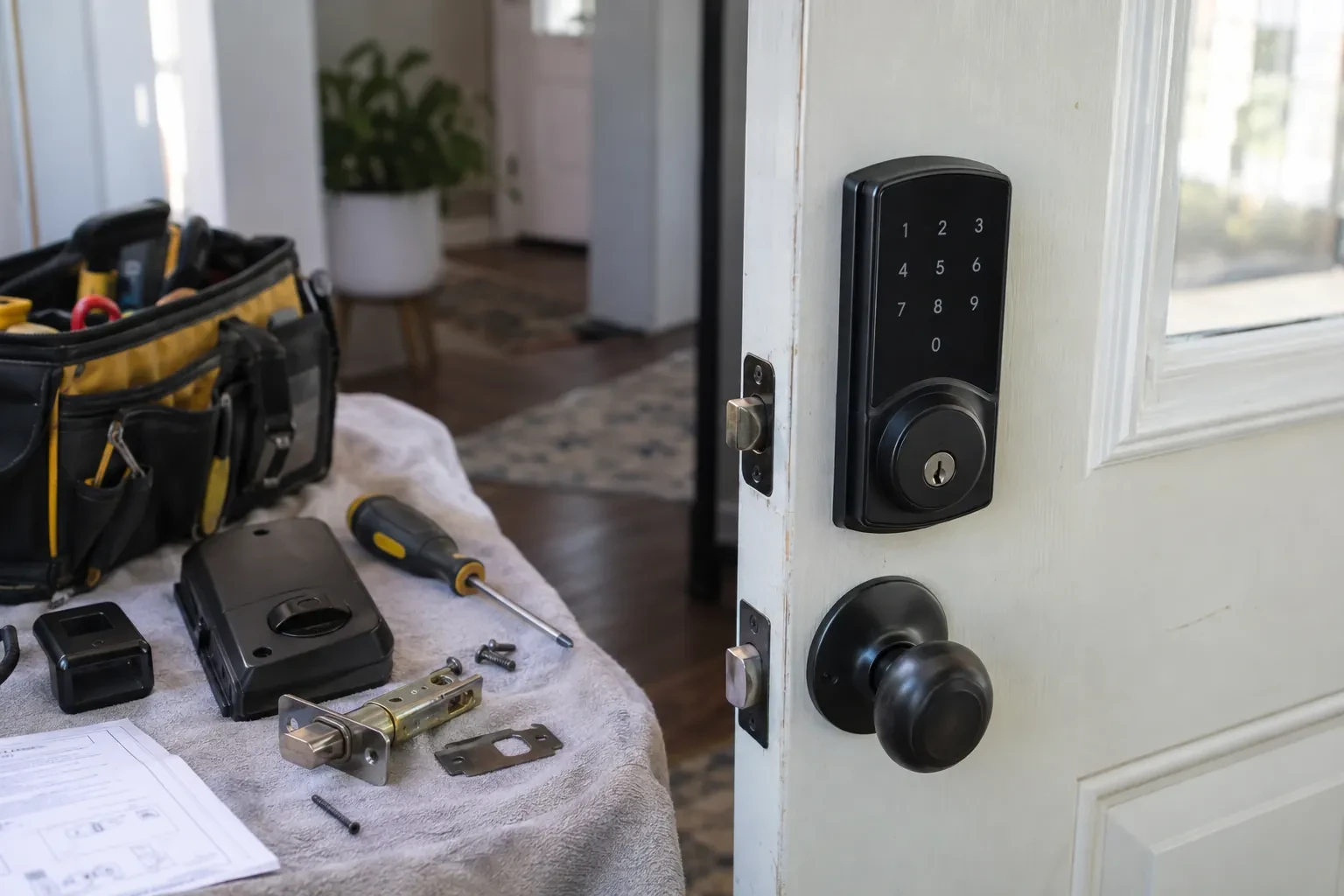
In the van
Box strike
Commercial mortise lock body
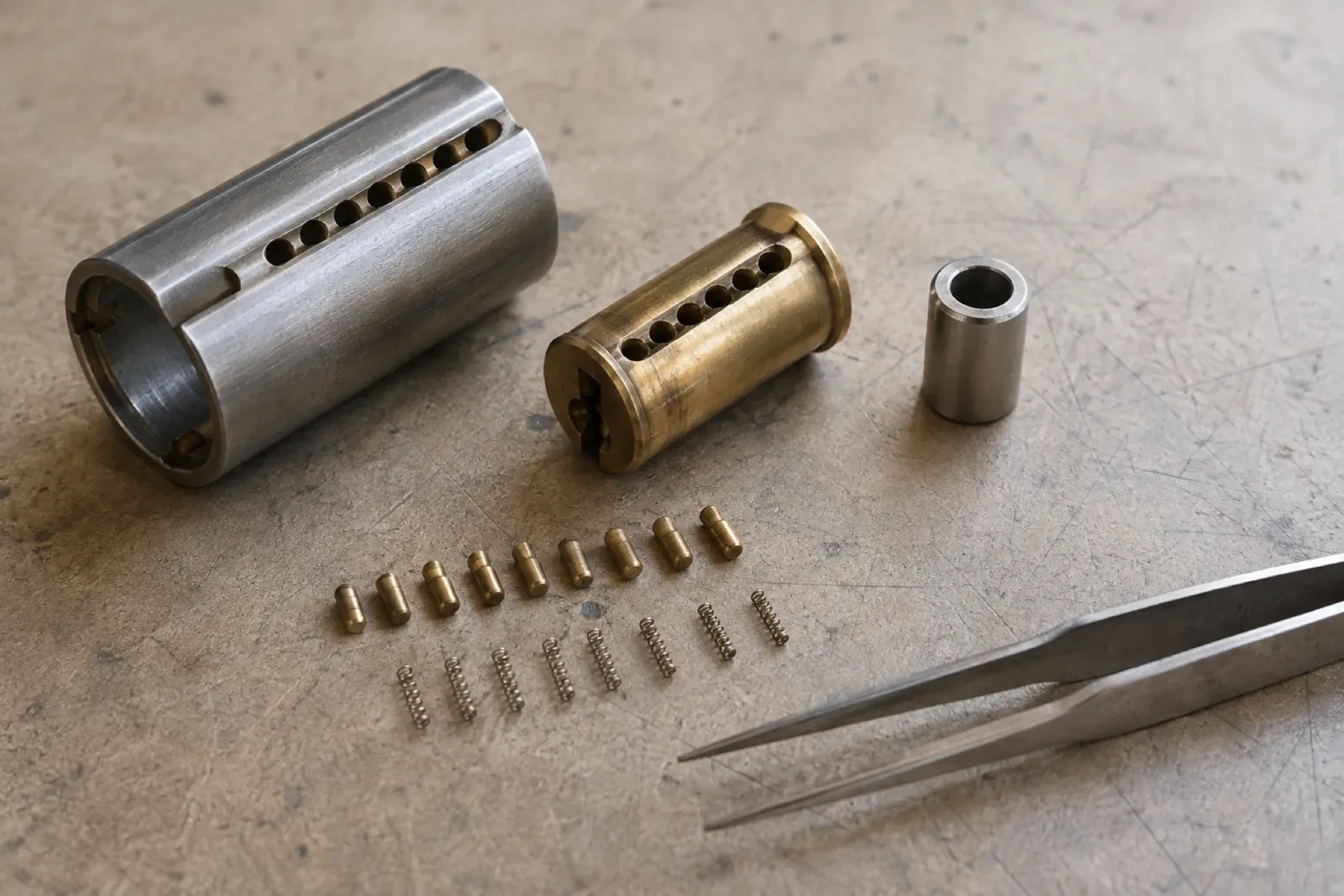
Pinning kit and plug follower
Graded deadbolt with hardened bolt
High-security cylinder
High Security Locks
What affects the quote
Documentation and registration
Setting up the key register, recording signatories and providing a written schedule of cylinders and keys is real work on a business system and is listed rather than hidden.
Mortise and older doors
An existing mortise pocket, a thick slab door or an unusual backset can mean a specific cylinder or an adapted preparation, which takes longer than a standard bore.
Exit devices and closers on the same door
Where a commercial door carries a push bar or closer, the new lock must work with them, and adjusting or replacing that hardware is part of the same visit.
What to have ready
- How many exterior doors do you want included?
- Is this a house, condo, rental unit or business premises, and do you own or manage it?
- For a business, who should be allowed to authorise new keys?
High Security Locks: questions
QuestionsWhat does key control mean in practice?
It means your key can only be copied through the locksmith who manages your system, after checking that the person asking is on your list of authorised names. Blanks for the keyway are not sold to hardware stores or kiosks while the patent lasts. Each key is numbered and recorded, so you know how many exist. For a home that ends the worry about old copies; for a business it turns a lost staff key into a known, manageable event.
What about the glass panel next to my front door?
A sidelight within reach of the inside thumb-turn is the weak point of an otherwise strong door, since a broken pane lets a hand reach the turn. Options include moving the deadbolt further from the glass, a lock function that needs a key inside as well, or a laminated pane. Because everyone must still be able to leave easily, the locksmith talks through the trade-offs and helps you pick the arrangement that suits your household.
What happens when the patent on my keys runs out?
The mechanical resistance of the cylinder does not change, but blanks may become openly available, so copy control weakens. Manufacturers issue new patented keyways as older ones expire, and the usual answer is to move to the next generation by changing cylinders and keys while keeping the lock bodies. Your locksmith notes the patent term at handover so the date is on the calendar rather than a surprise years later.