Locksmith in German Mills, OntarioSmart locks,fitted to a sound door
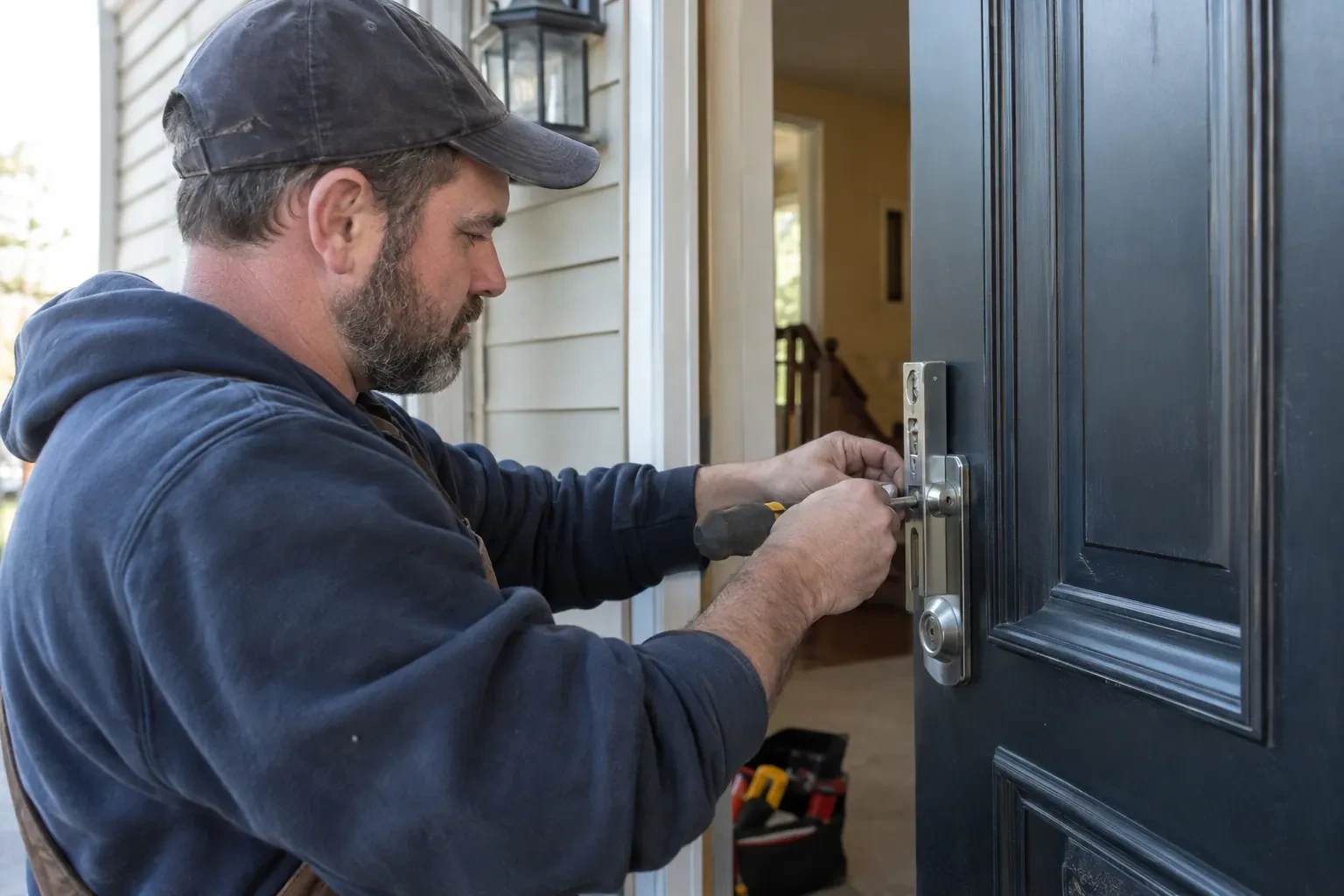
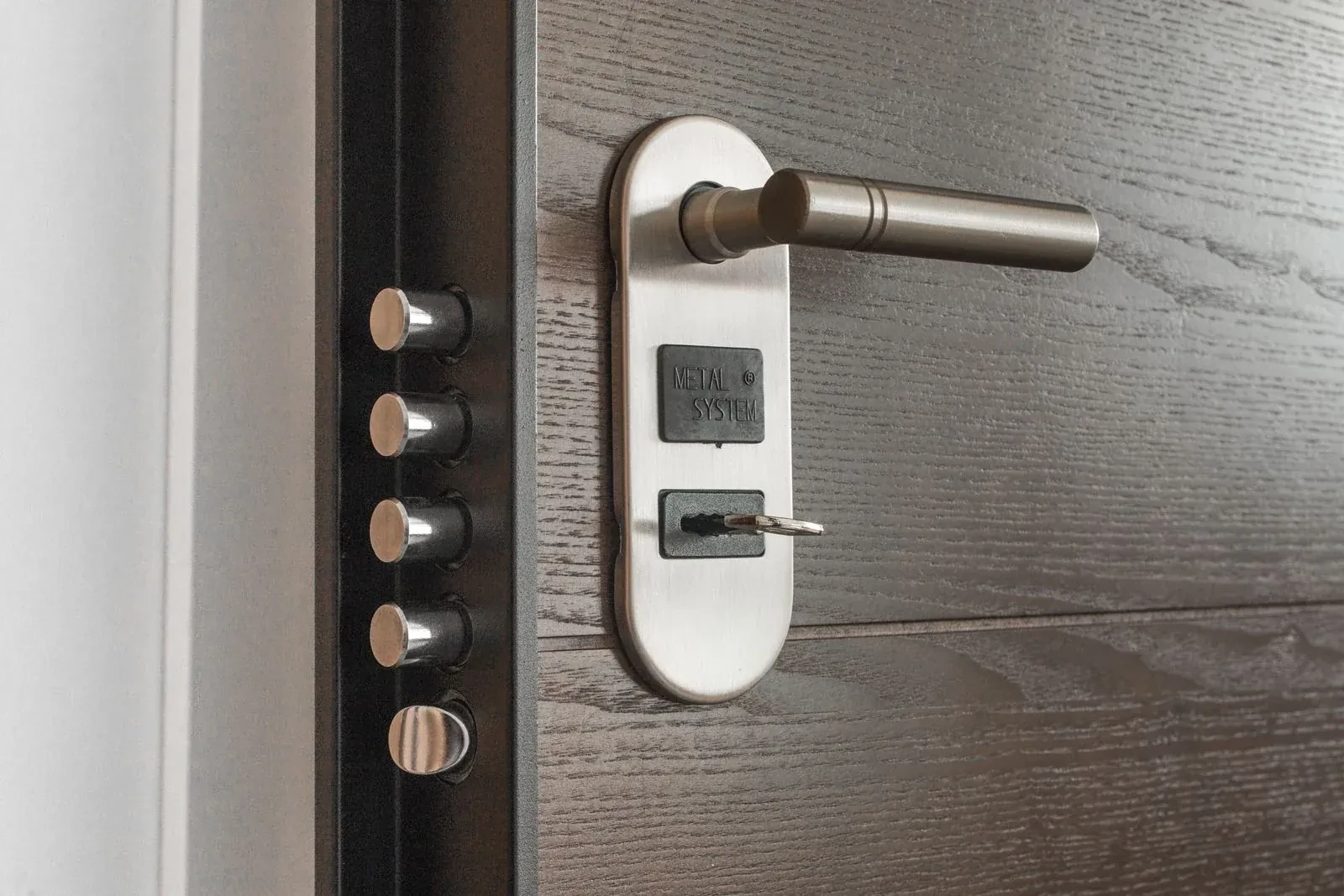
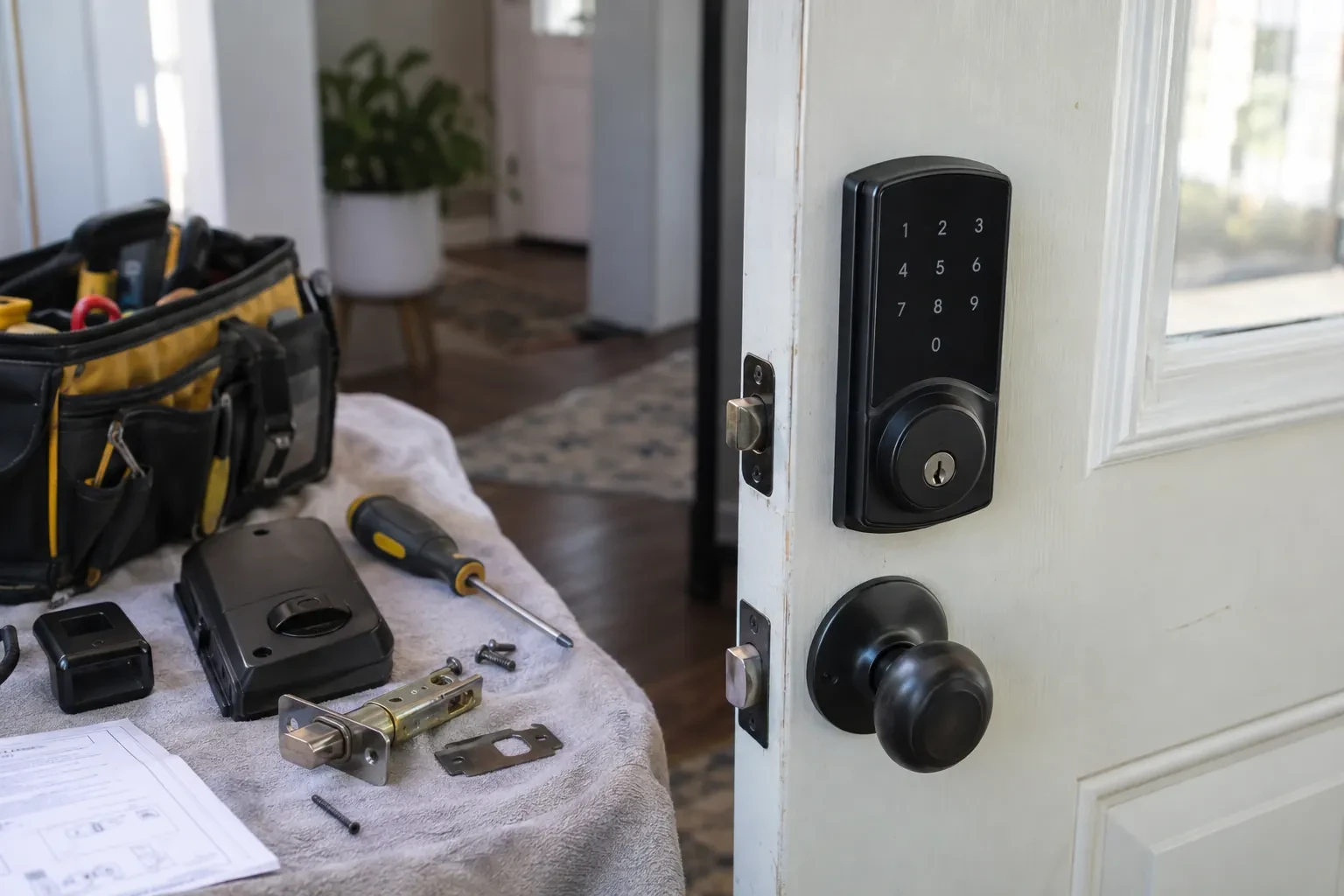
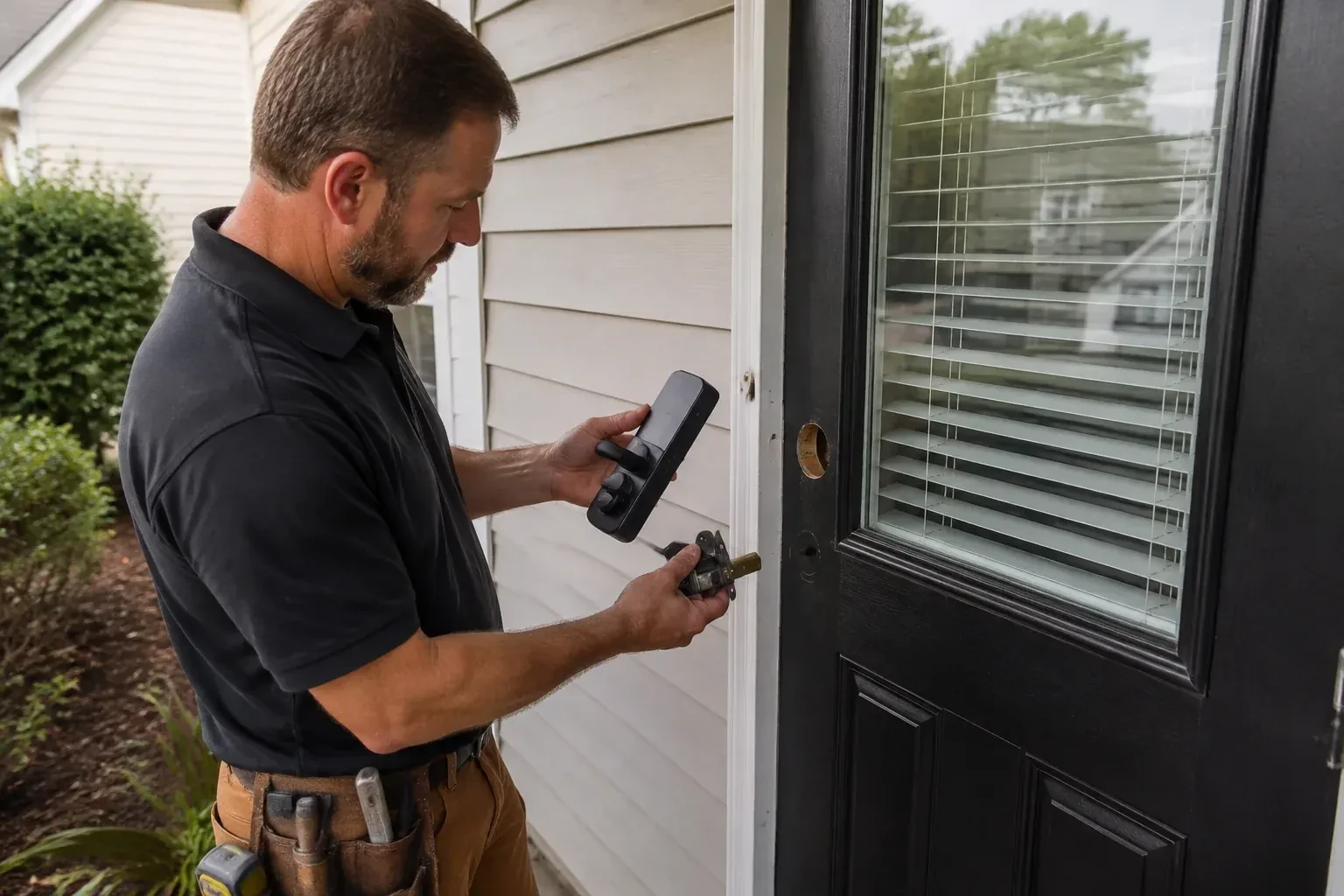
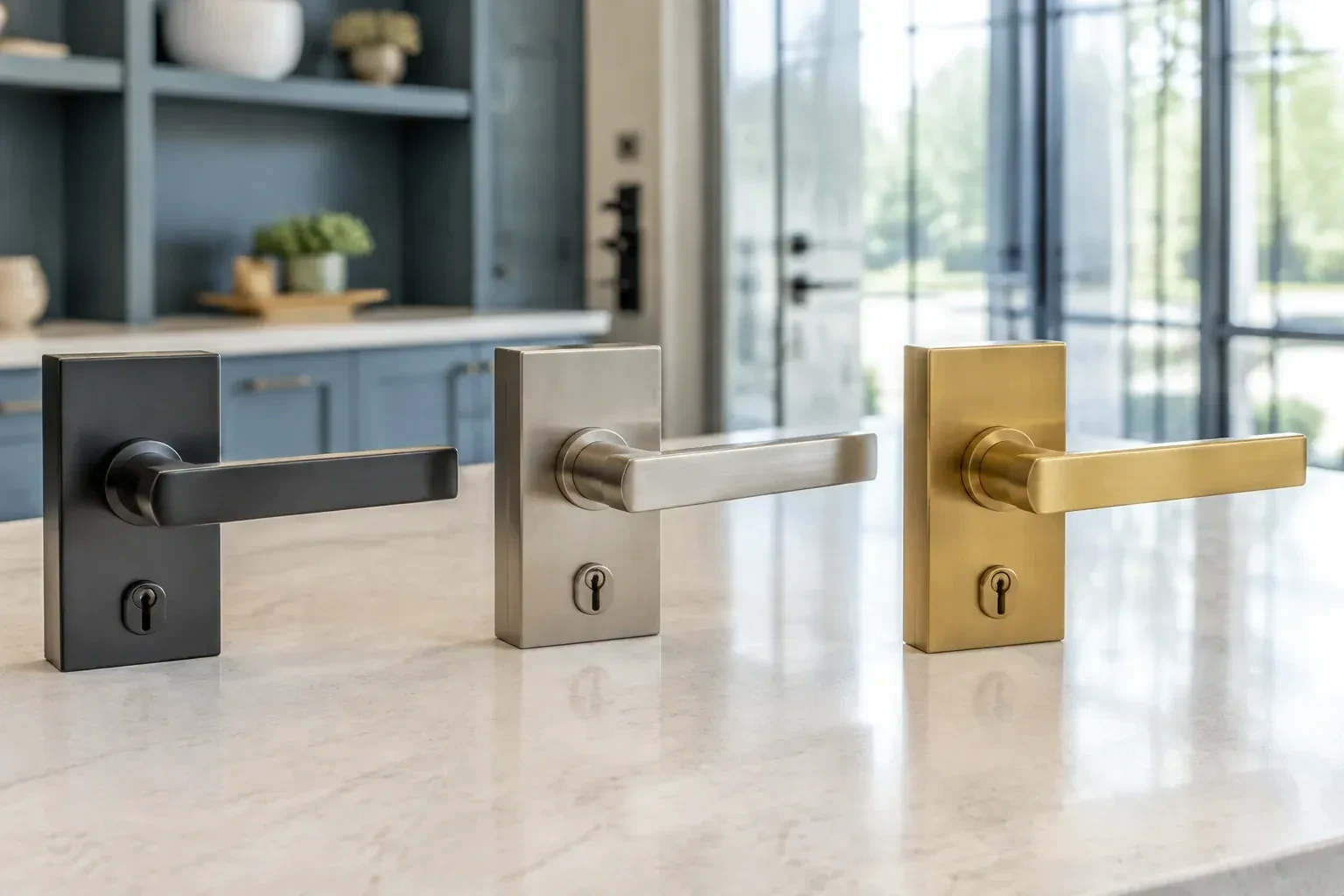
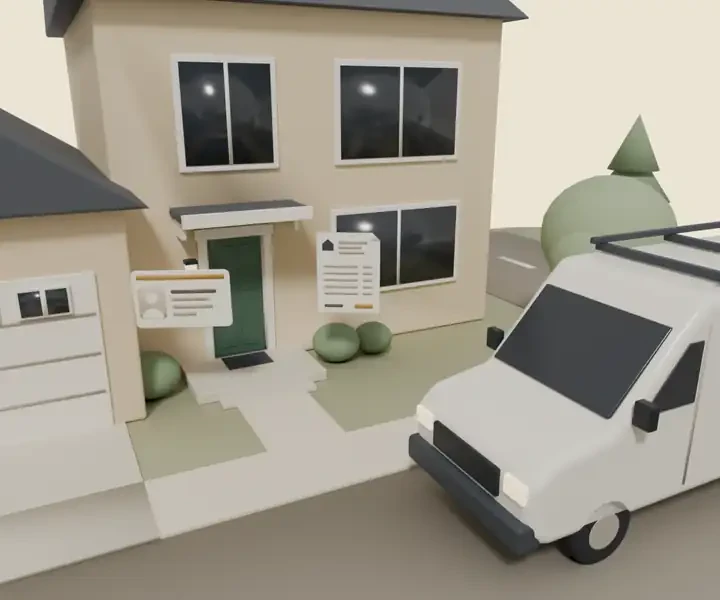
A keypad or phone-controlled lock is only as good as the door it sits on. Before anything is mounted on a home in German Mills we check the alignment, the strike and the bore, then set up codes, a mechanical backup and a walkthrough so the household can actually use what was installed.
A keypad or phone-controlled lock is only as good as the door it sits on. Before anything is mounted on a home in German Mills we check the alignment, the strike and the bore, then set up codes, a mechanical backup and a walkthrough so the household can actually use what was installed.
Practical locksmithing for real doors.
Landlords and property managers in German Mills get a partner who understands turnover. We rekey between tenants, keep the unit keys under one master so you carry a single ring, fit hardware that survives heavy use, and note what was done on each door. When a tenant loses a key at an awkward hour, we already know the building.
Businesses in German Mills have their own set of lock questions: who holds keys, what happens at staff turnover and whether the back door really closes. We help shops, offices and small warehouses sort these out with rekeying, key logs, keypads and panic hardware that suits the building. Work can be timed around your hours, and we leave you with a system your team can actually manage.
18years in business
24/7open every day
Explained before any tool comes out. You will hear what we found, what we suggest and why, before anything is changed. If you want a minute to think, take it.
Choices, not a single answer. Most problems have more than one fix. We lay out the practical options and the trade-offs, then let you choose the one that fits your home and budget.
A tidy doorstep. Shavings swept, packaging taken away, the old hardware offered to you or disposed of. The only sign we were there is a lock that works.
For a household in German Mills the common requests are a rekey after moving in, a lockout, a deadbolt that grinds, and a lock that finally needs replacing. For a business they are storefront hardware, staff key control and exit devices. Both lists, and a few less common jobs, are laid out here.
About 19% of homes in Markham were built in 1980 or earlier, according to the 2021 Census.
Newer homes
New homes frequently come with strikes held by short screws into soft framing. Replacing them with longer screws that reach the stud is inexpensive work that adds real strength, and it is one of the first things a locksmith checks in a newer area.
Single-detached houses make up about 56% of homes in Markham (2021 Census).
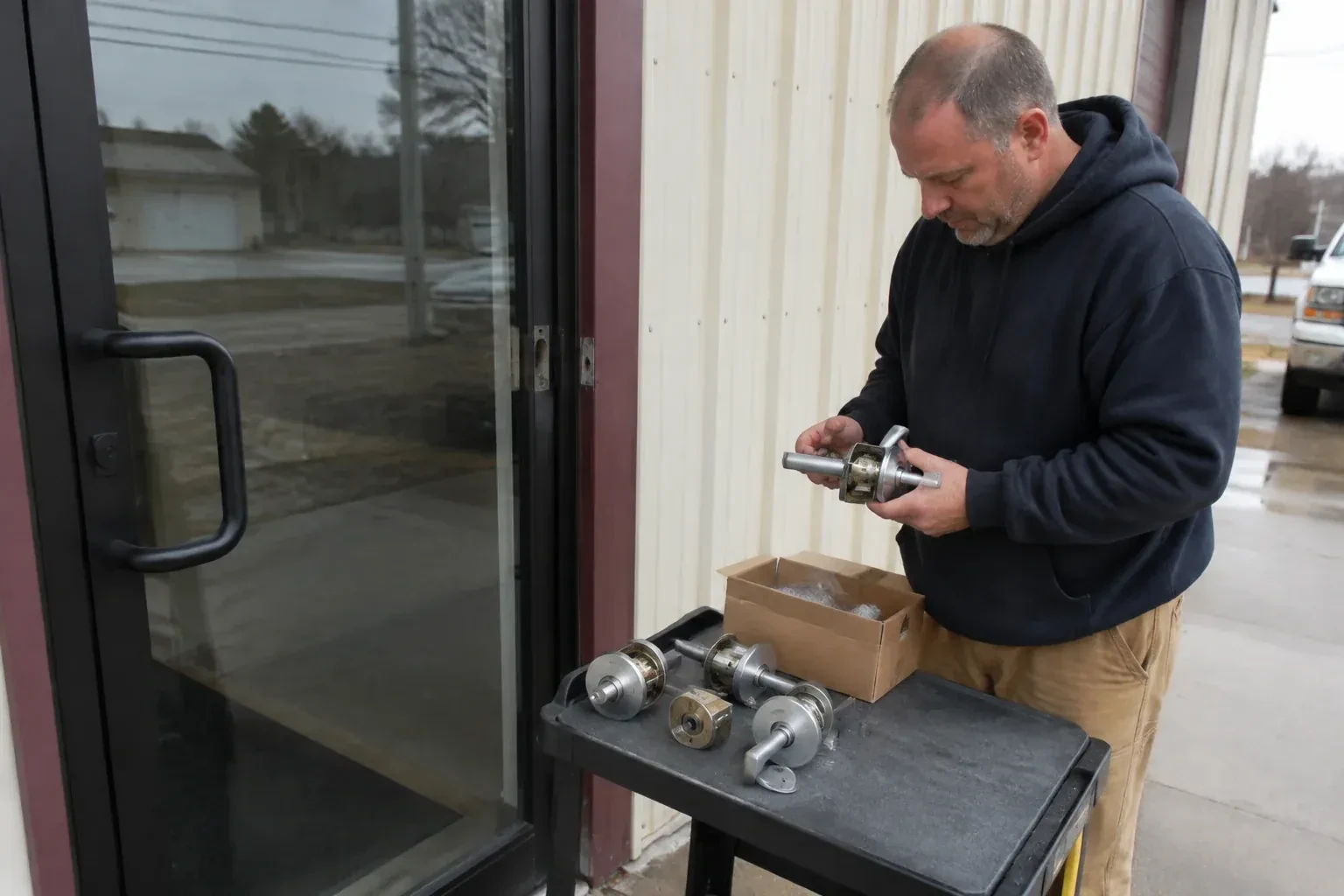
Neighbourhoods of houses beside townhouses and low-rise buildings have a range of door constructions: solid wood, steel, fibreglass and metal-clad. A locksmith who works in such an area is used to fitting hardware to all of them without new holes.
The key went in stiffly, turned a quarter of the way, and came out in two pieces. Half of it is still inside the cylinder of the aluminium storefront door, and the deadbolt is hooked firmly into the frame.
You were locking up on the way out when the key broke in the lock. Now the door is unlocked, a piece of key is jammed in the cylinder, and you were already running late for work.
The back door looks closed until you touch it. The edge is crushed where a bar went in, the latch is bent sideways, and the door swings free with a gentle push no matter how you turn the key.
The lock works, but only if you lean on the door with your hip while turning the key. After a week of humid weather the bolt is jammed against the strike plate, and without that push the key stops halfway.
Someone painted the door years ago without removing the hardware. The faceplate, the strike and the little thumb-turn are all under several coats, the deadbolt scrapes when it moves, and the knob is stiff enough to leave marks on your hand.
Between the front gate, the side gate and the one behind the shed, there are three different padlocks, three different keys, and a growing pile of duplicates in a kitchen drawer that nobody can match to the right lock anymore.
The restricted keys you bought years ago are no longer restricted; the locksmith mentioned the patent has run out and blanks are sold openly. Your key control quietly stopped being control.
A car sits at the cottage all season, and the only key to it lives on a ring three hours away in the city. Every visit begins with the same small worry about whether that ring made it into the right bag.
Since the remote starter was installed last month, the original key has started acting strangely, the car catches on the first turn some mornings and refuses outright on others. Nothing about the key itself changed, but whatever the installer touched under the dash seems to be arguing with it.
Clinics and pharmacies, schools and daycare rooms, offices with confidential files: these premises need doors that lock reliably and also release instantly from inside. Commercial locksmithing balances the two, with hardware chosen for each opening.
WhyThe trim on the door face is the other half of the lock.
Between the front gate, the side gate and the one behind the shed, there are three different padlocks, three different keys, and a growing pile of duplicates in a kitchen drawer that nobody can match to the right lock anymore.
WhyGate & Building Entry Locks brings a property's outdoor gate hardware and its shared entrance into one visit, rather than treating the latch and the door's physical fit as separate problems.
The restricted keys you bought years ago are no longer restricted; the locksmith mentioned the patent has run out and blanks are sold openly.
WhyDriving on a single key means a lost pocket, a dropped bag or a worn blade can turn into a day without a car.
Since the remote starter was installed last month, the original key has started acting strangely, the car catches on the first turn some mornings and refuses outright on others.
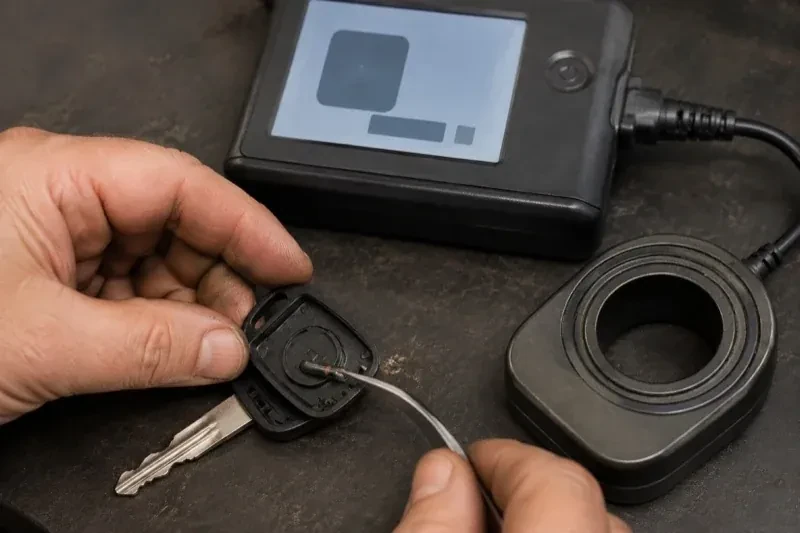
WhyNot every transponder chip is built the same way.
How a visit goes
Describe the property, the hardware and what has changed, and the visit starts from what you have seen.
1
2
3
01
A look inside the keyway
We check how deep the fragment sits and whether the cylinder was already worn or dry. That tells us how to draw the piece out without pushing it further.
02
Drawing the piece out
With extraction tools and patience the broken blade comes out whole. We clean and lubricate the cylinder so the next key goes in smoothly.
03
Cutting a fresh key
A key that snapped was usually tired. We cut a new one from the two halves or from the lock itself, test it and suggest retiring any other worn copies.
Yes. The visit closes with a written account of which door was opened and how, the condition the hardware was in, anything replaced, the number of keys cut and who received them. Landlords ask for it when locks on a unit change, insurers after a loss, and franchise head offices as a matter of course. Keep it with the lease; it also tells the next locksmith exactly what is on your doors.
Why did my key break at all?
Often fatigue, though not the only cause. A brass blade is weakest where the deepest cut leaves the least metal, and thousands of turns can slowly work a crack into that spot. Then one morning something asks more of it: a frozen cylinder, a bolt binding in a swollen door, grit in the keyway, or turning before the key was fully in. A bent, worn or poorly cut key can also fail on its own, with no such trigger. The lock is inspected afterwards to find which applied.
Will the repair be visible from outside?
Mostly not. A boxed strike sits flush in the jamb, long screws hide behind hinge and strike plates, and a repaired jamb is filled and dressed so paint or stain covers it. A wrap-around door edge reinforcer is the one part that shows, as a slim steel band at the lock, and it can be finished to match the hardware. New deadbolts are matched to the trim on your other doors where you want them to blend in.
The lever on our shop door goes down but the latch does not pull back. Is that a lock problem?
It usually points to the mortise case rather than the cylinder, and it is a common complaint on commercial doors. Inside the case a return spring, a worn hub, or another part of the latch's drive path can have failed, so the lever moves without driving the latch. The locksmith gets the door open, draws the case out of the door edge, replaces the worn part, cleans and greases the contact points and refits everything, then tests lever, key and thumb-turn together.
Can you make a key for a lock that has none?
Yes. A bit key is cut to the lock rather than copied from another key: the locksmith chooses a blank of the right size and files the bit until it clears the wards and lifts the levers inside your case, testing as they go. A pin-tumbler cylinder on a later lock is decoded or rekeyed and keys cut to it. Bring any loose keys that came with the house, since one may be close enough to serve as a starting pattern.
My key snapped off in the gate lock. What now?
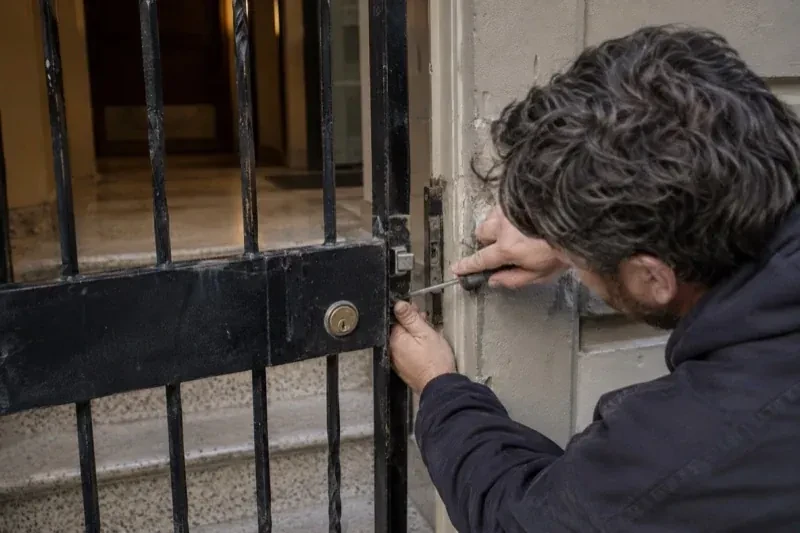
The broken piece is removed with extraction tools shaped to grip and draw it out, rather than forcing it further in, and the door or gate is then opened using the remaining portion or by working the cylinder directly. Afterward the locksmith checks why the key broke, since a healthy cylinder rarely snaps a key on its own; a stiff or corroded plug is a common cause outdoors. A fresh key is cut from the code or a clean original rather than a worn copy.
What about the glass panel next to my front door?
A sidelight within reach of the inside thumb-turn is the weak point of an otherwise strong door, since a broken pane lets a hand reach the turn. Options include moving the deadbolt further from the glass, a lock function that needs a key inside as well, or a laminated pane. Because everyone must still be able to leave easily, the locksmith talks through the trade-offs and helps you pick the arrangement that suits your household.
How should I store the spare once I have it?
Somewhere other than inside the vehicle, since a spare kept in the glovebox solves little if it is the vehicle itself that becomes inaccessible. A bag that travels separately, a drawer at home, or a trusted family member all work. A passive proximity spare also benefits from a signal-blocking pouch during storage, since that kind of fob keeps broadcasting even sitting untouched in a drawer; a standard button-operated remote does not need the same pouch.
Will adding a new key affect the keys I already have?
Adding a key is meant to leave every existing key exactly as it was; the new identity is written alongside the others rather than replacing anything. The locksmith checks that the older keys still work as part of the same visit, precisely so an oversight does not go unnoticed. Only a key you specifically ask to have cleared, such as one that was lost, stops working.
Request a visit
Landlords and property managers in German Mills get a partner who understands turnover. We rekey between tenants, keep the unit keys under one master so you carry a single ring, fit hardware that survives heavy use, and note what was done on each door. When a tenant loses a key at an awkward hour, we already know the building.