Car keys · Cachet
Spare Car Key Duplication in Cachet
The paperwork for the used car changed hands last week, and the previous owner mentioned, almost as an afterthought, that a second key never turned up.
In plain words
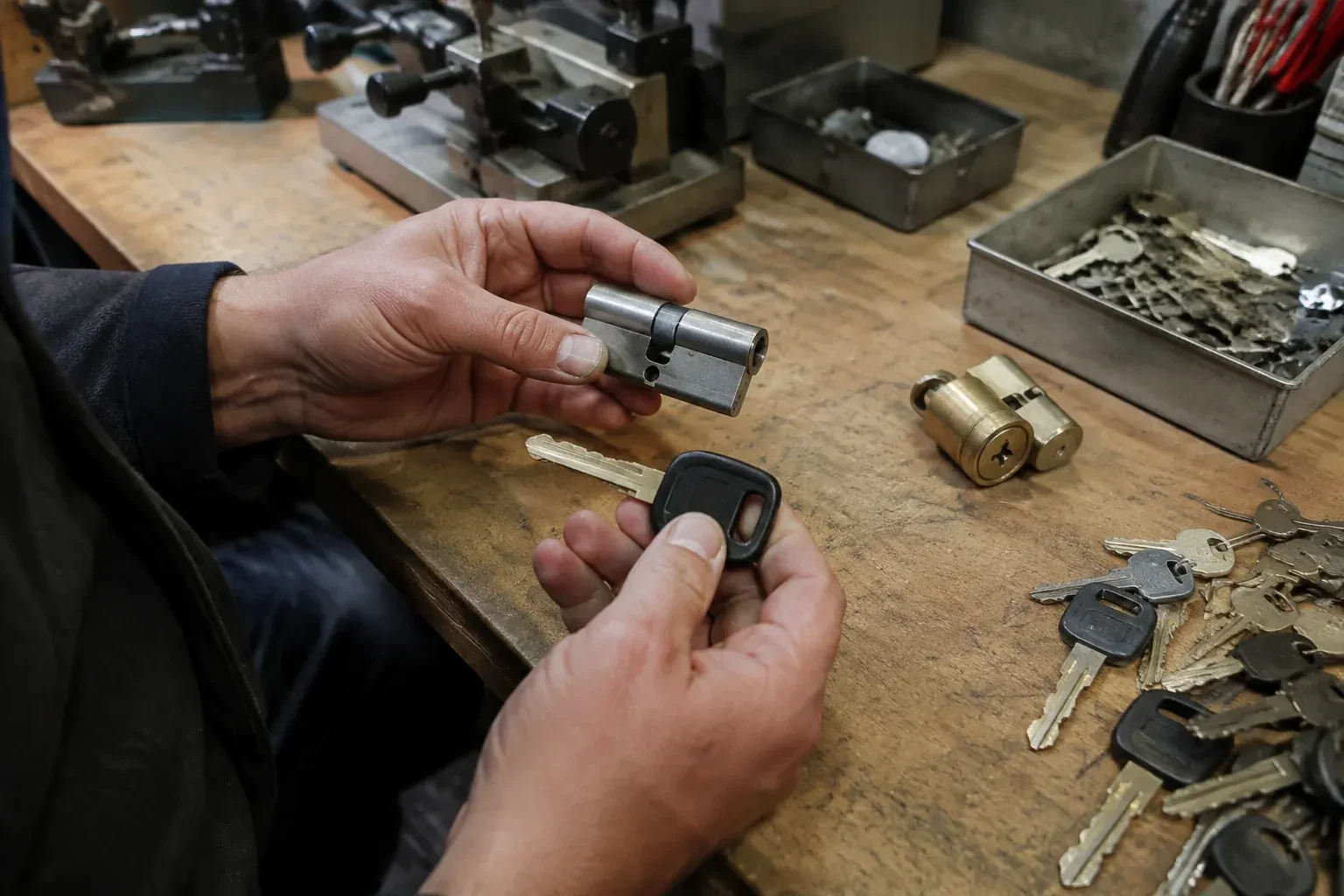
Households with more than one driver and one car key end up trading it back and forth, which works until two people need the vehicle at once. Making a second key from the original lets each driver carry their own, cut from the same blade profile and carrying the same chip or code the immobilizer recognizes, so neither key behaves differently from the other. The locksmith tests both apart from each other in the doors and the ignition before handing them back, and a family running two vehicles on the same lock family can sometimes be brought onto one key altogether.
How the visit goesThe blade on the everyday key has gone shiny and thin along one edge, and lately it needs a wiggle before the ignition catches. Nobody wants to be holding a failing original with nothing waiting in reserve if it finally gives out.
Spare Car Key Duplication
How the visit goes
Confirming what the spare needs to do
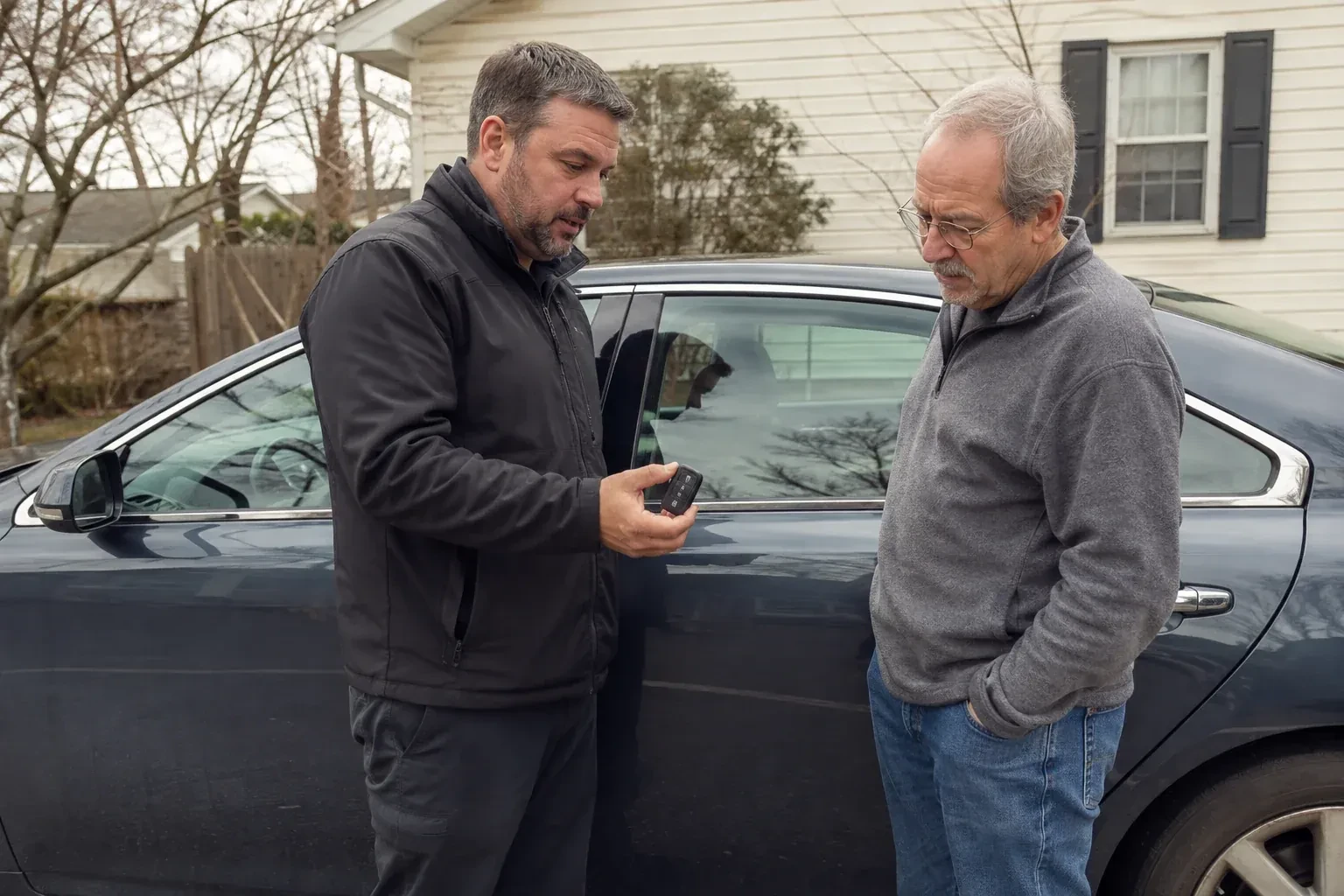
Not every household wants an identical twin of the original. Some ask for a plain mechanical spare with no remote buttons at all, useful for a valet or a young driver who does not need trunk release or remote start. Others want every function the first key has, cut and coded to behave exactly the same in anyone's hand. Settling this before work begins decides which shell is ordered and how much programming the visit involves, and it is worth revisiting if the household's answer turns out to differ from what the person calling first assumed on the phone.
Bringing a second vehicle onto the same key
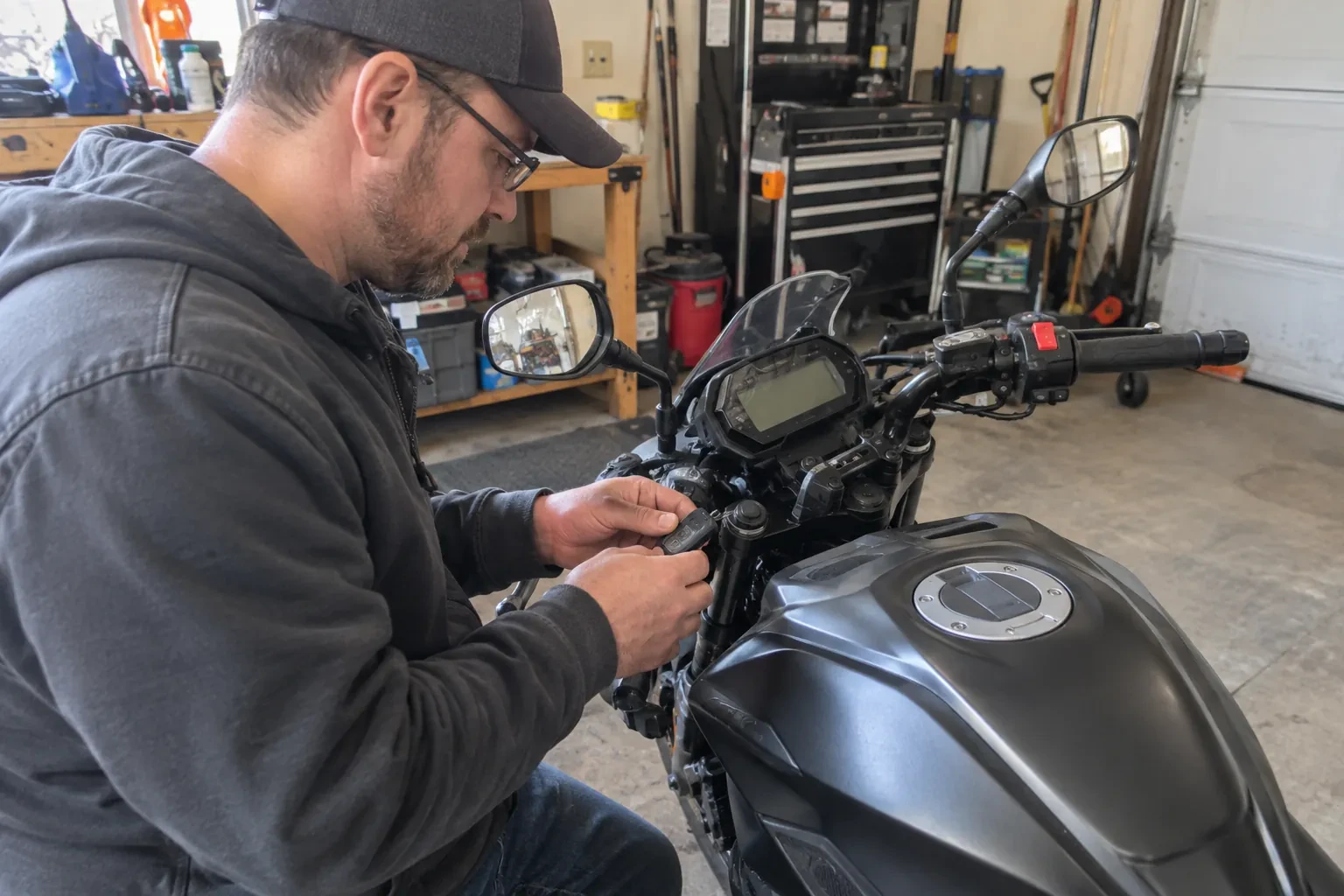
Households running two vehicles from the same manufacturer sometimes want one key that opens and starts both, which needs more than a shared keyway: the two locks must also take a compatible bitting, or one vehicle's cylinders need rekeying to match, and the transponder chosen has to be capable of authorization on both immobilizers. The locksmith reads both vehicles' requirements before cutting anything, and where a single key genuinely will not satisfy both locks and both immobilizers, the answer is two separate keys carried on one ring, explained before any cutting starts so expectations match what the hardware can actually deliver.
Fewer surprises through the seasons
A tested spare carries a household through the situations that tend to arrive without warning: a fob battery finally dying in the cold, a blade thinning out after years on the same ring, or a key simply not being where it was left that morning. None of those moments needs to become a locksmith call anymore, because the second key was already proven capable of everything the first one does, sitting wherever it was agreed to live, ready for the day it is actually needed.
Spare Car Key Duplication
In the van
Key gauge and calipers
Code-cutting machine
VIN and key-system reference
Coin-cell fob battery
Chip cloning tool
Spare Car Key Duplication
What affects the quote
Scheduling more than one vehicle together
Two vehicles booked into the same visit, such as a household's pair of cars, are generally more efficient to handle together than arranging two separate appointments on different days.
Copying versus diagnostic programming
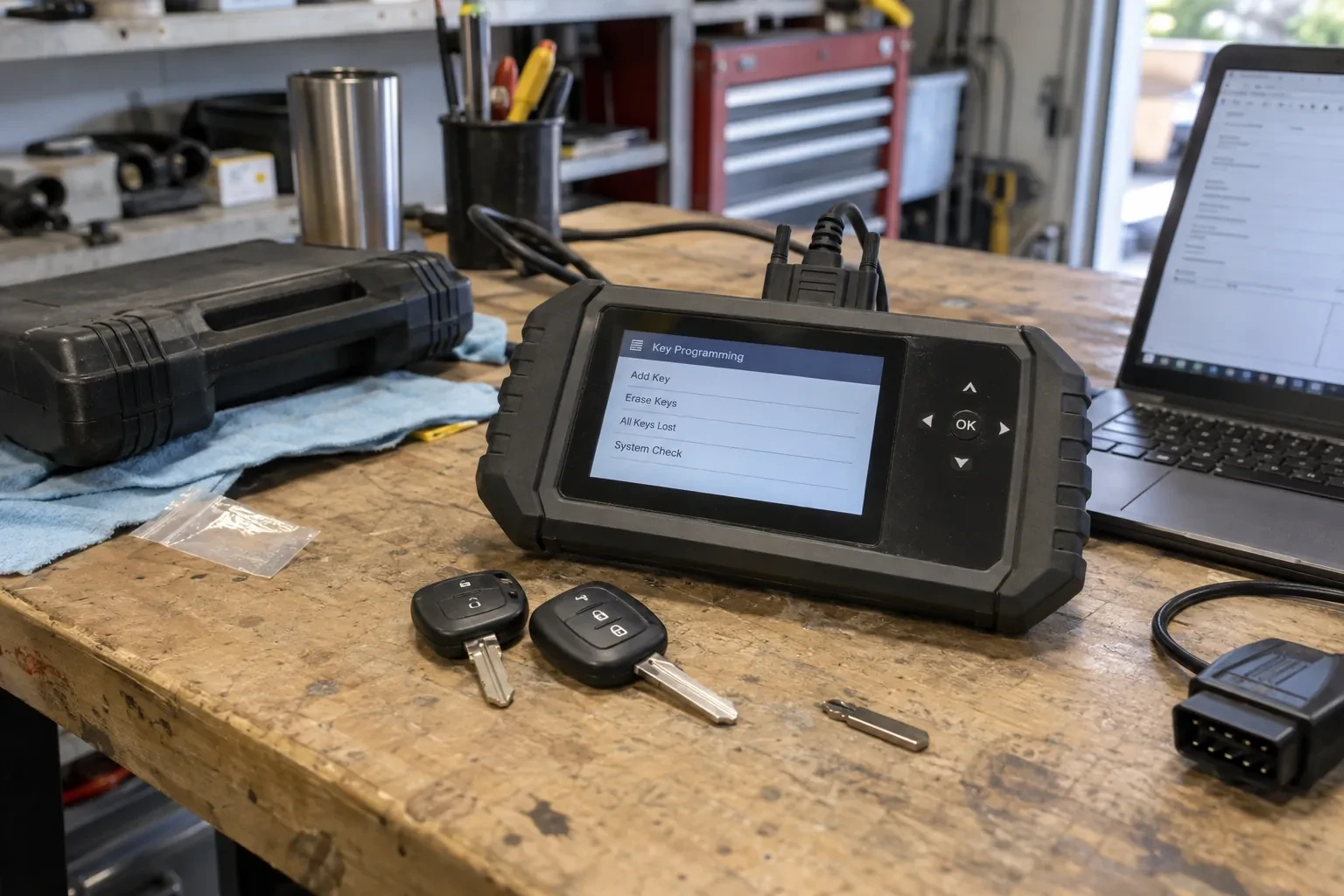
Some vehicles allow the chip to be copied directly from the original in one step, while others need the locksmith to connect through the diagnostic port and have the vehicle's own module enrol a freshly coded chip, which takes longer at the car.
Matching two vehicles to one key
Bringing a second vehicle onto the same key, when the two lock systems are compatible, takes more identification and testing than producing a spare for a single car alone.
What to have ready
- What year, make and model is the vehicle?
- Is there more than one vehicle you would like keyed the same way?
- Do you currently have one working key, or more than one?
Spare Car Key Duplication: questions
QuestionsWhat if I have lost track of how many keys already exist for the car?
That is worth mentioning when you call, since it changes the plan. If the count is genuinely unknown, or a key was lost at some point and never accounted for, reprogramming the vehicle to accept only the keys currently in hand is often the sounder route, rather than adding a new spare on top of an uncertain set that might include a key nobody can locate anymore.
How should I store the spare once I have it?
Somewhere other than inside the vehicle, since a spare kept in the glovebox solves little if it is the vehicle itself that becomes inaccessible. A bag that travels separately, a drawer at home, or a trusted family member all work. A passive proximity spare also benefits from a signal-blocking pouch during storage, since that kind of fob keeps broadcasting even sitting untouched in a drawer; a standard button-operated remote does not need the same pouch.
Why does the VIN matter for making a spare key?
The VIN identifies the exact immobilizer generation and lock system your particular vehicle left the factory with, which decides whether the chip can be copied directly or needs to be freshly coded through the diagnostic port, and which blank and blade profile are correct. Two cars that look identical from the outside can use different systems a model year apart, so the VIN removes the guesswork.
Related services
- Car Key ReplacementAfter fifteen years the blade has worn to a smooth sliver.
- Key Fob ProgrammingButtons on the fob still light up and the remote still clicks, but the vehicle refuses to start even with the fob sitting in the cupholder.
- Transponder Key ProgrammingEvery key that ever opened the car is gone at once, one taken with a stolen bag, the spare misplaced months ago and never replaced.