Car keys · Markham
Transponder Key Programming
Every key that ever opened the car is gone at once, one taken with a stolen bag, the spare misplaced months ago and never replaced.
In plain words
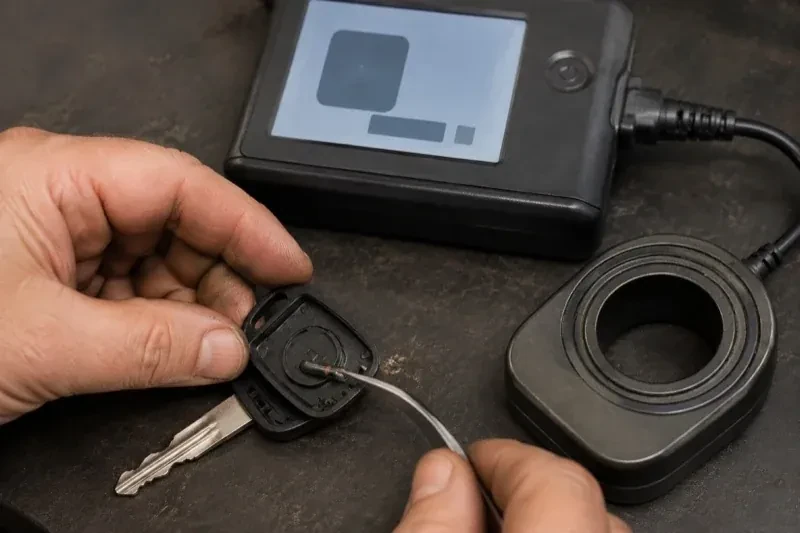
There are really two separate keys hiding inside one piece of metal and plastic: the cut, which is entirely mechanical and opens doors and turns cylinders, and the code, which is electronic and tells the immobilizer to allow the engine to run. A key can be perfectly cut and still leave a car cranking without starting if the code was never written. Programming is the part of the job that handles the code, using equipment built to read and write the exact system fitted to that vehicle.
How the visit goesA second driver has joined the household, and the one existing key gets handed back and forth between two schedules that rarely line up. Everyone agrees another key would settle the daily handoff, but nobody has looked into how a modern ignition actually learns a new one.
Transponder Key Programming
How the visit goes
Counting the keys that still work
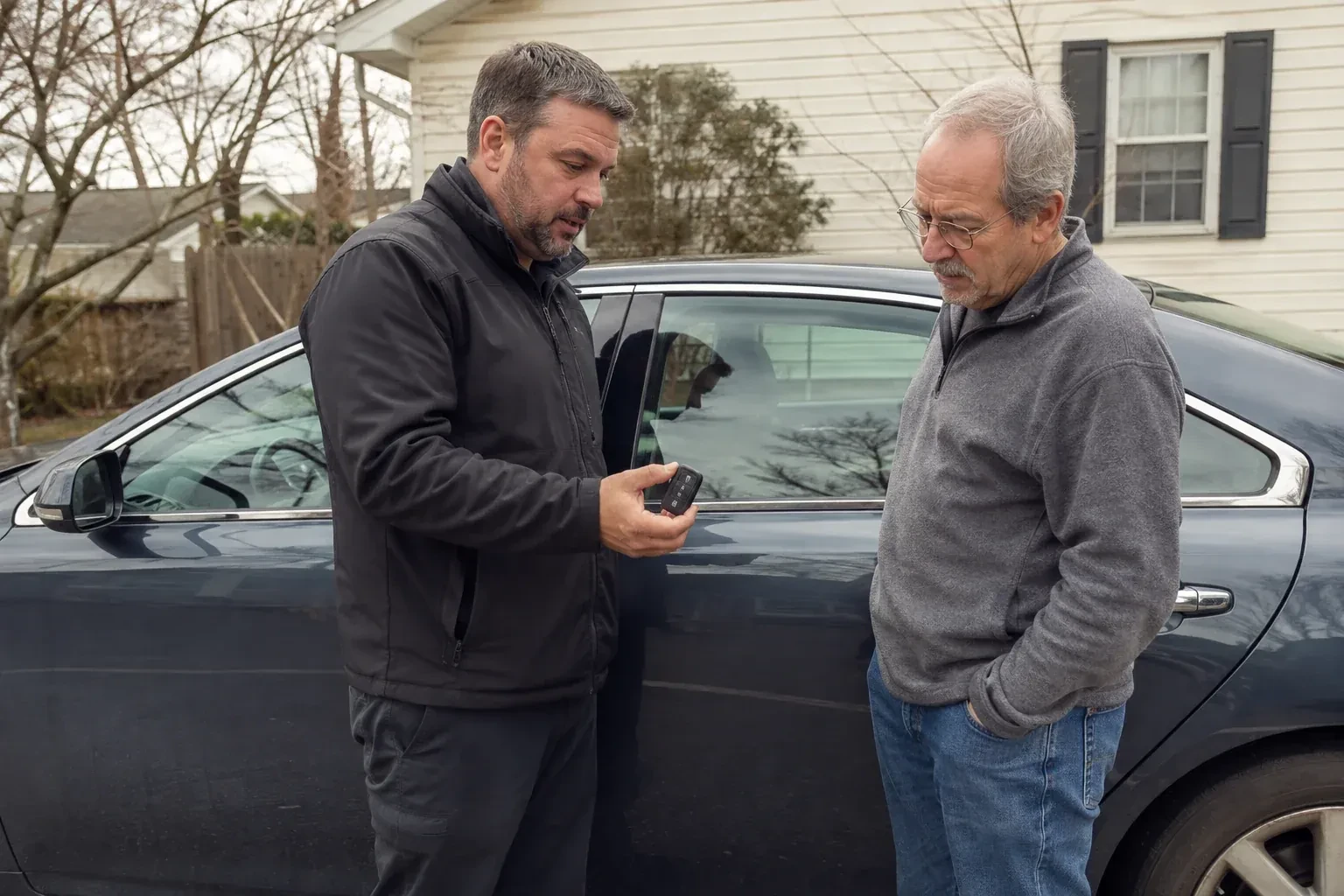
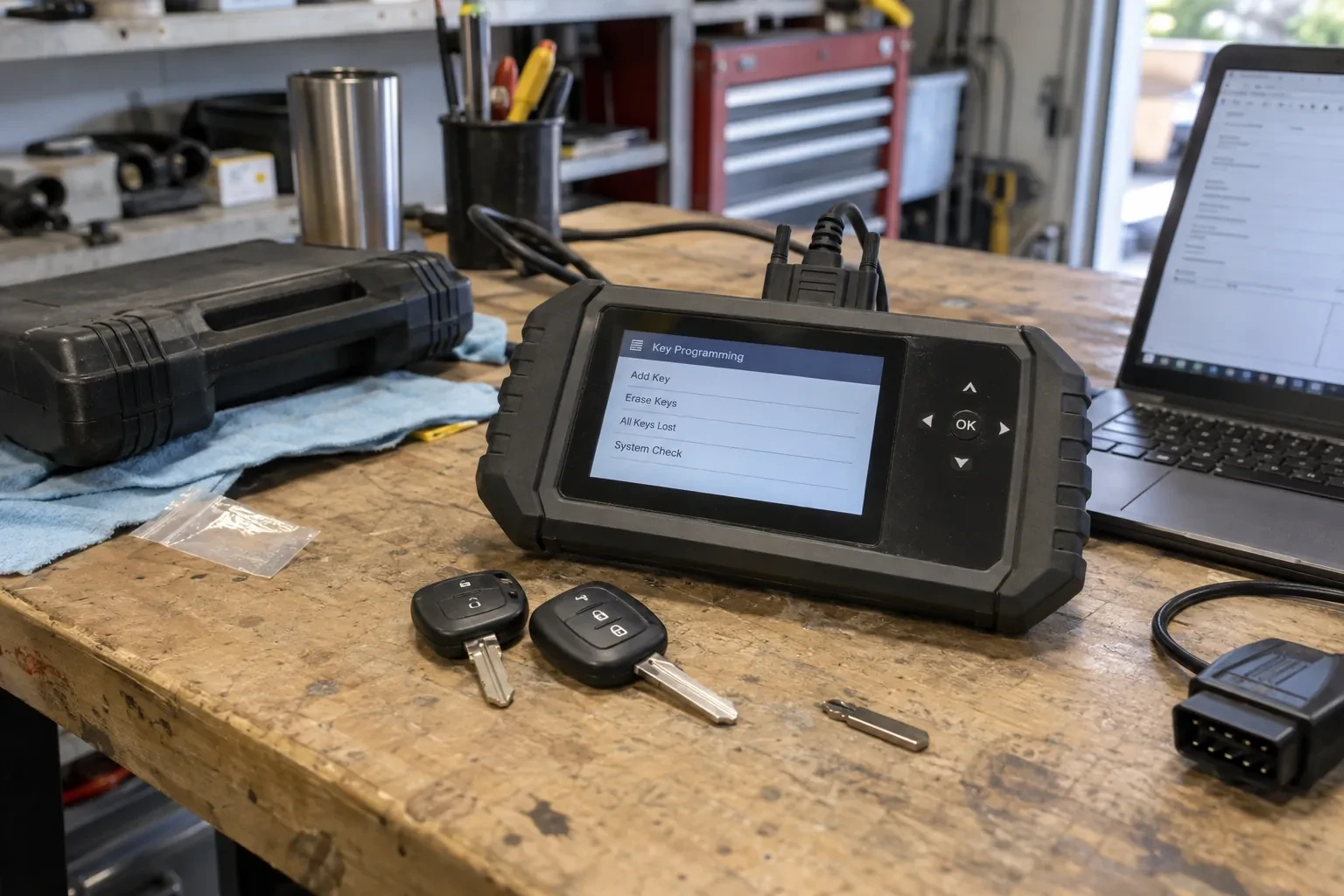
The next question is not about the lock but about the keys: how many currently work, whether one was lost or stolen, and whether every key for the vehicle is genuinely gone. A single missing key changes little beyond adding a spare and clearing its old identity. All keys lost changes the whole visit, since there is nothing left to prove the system already trusts, and the work has to start by re-establishing that trust before a single new key can be written.
Cutting the blade first
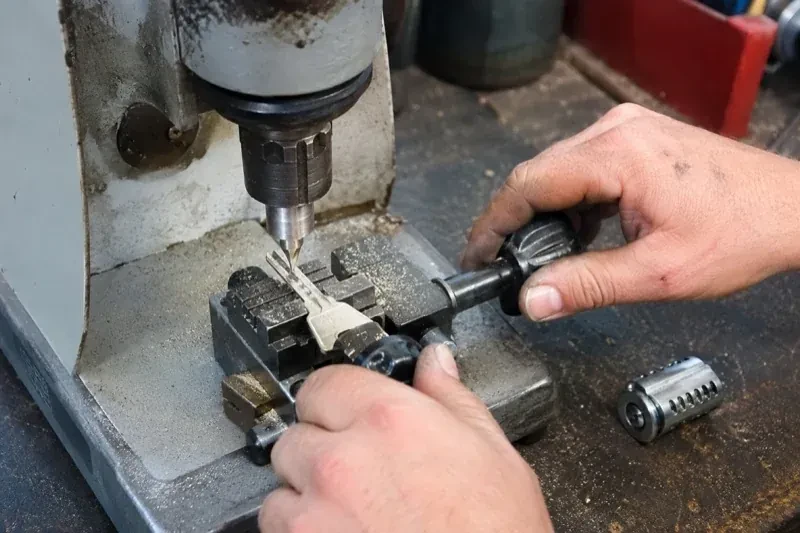
The mechanical side of the job comes first and is the more familiar half of it: the blade is cut to the lock's own pattern, either from a code on file or by duplicating a working key, and fitted into a blank carrying the correct chip. A perfectly cut blade still will not start a vehicle with an immobilizer on its own, which is the detail that catches out a counter kiosk. The two halves of the key are treated as separate tasks throughout, cut first, chip second.
Leaving with a full set of working keys
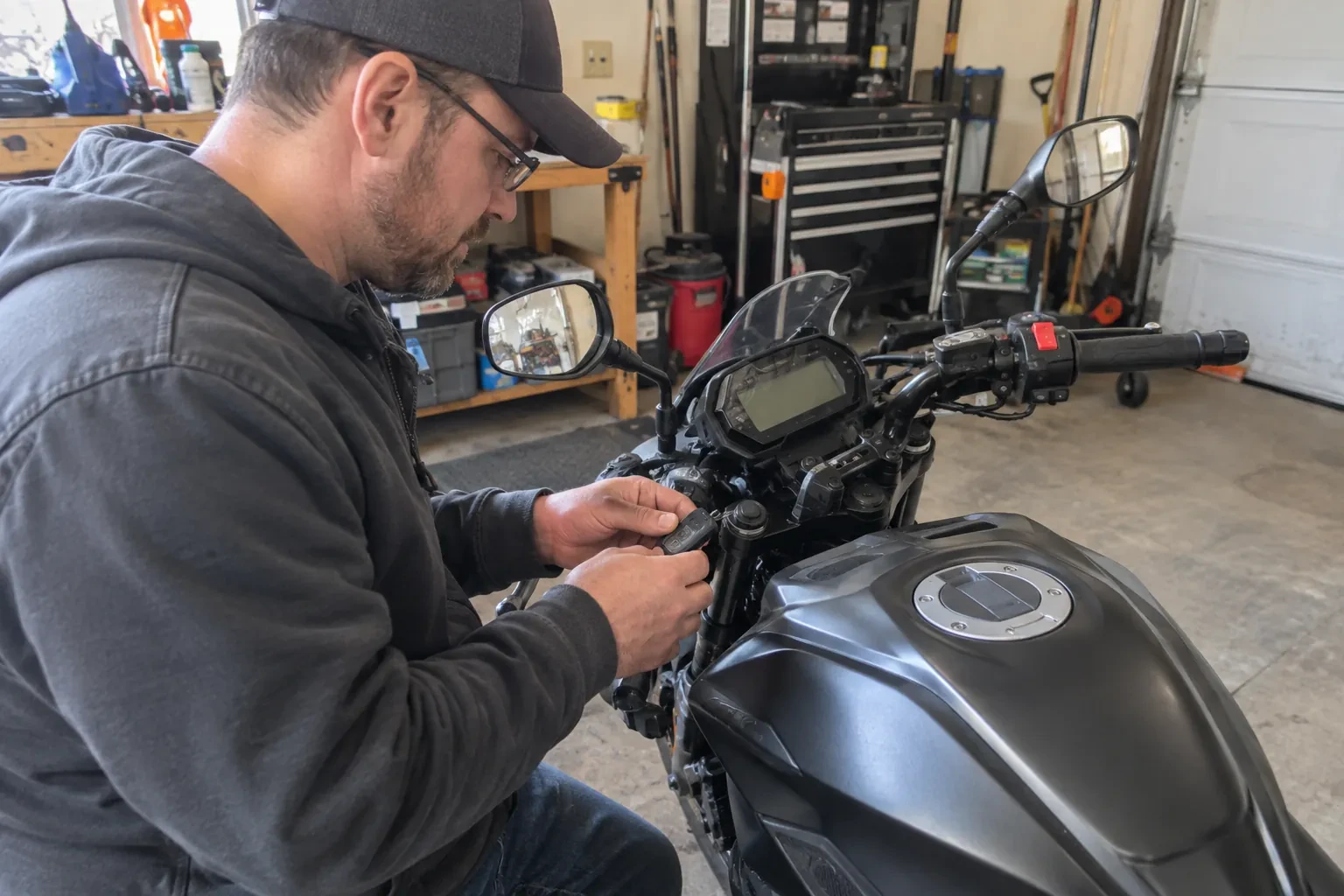
The visit ends with every key that should work actually tested in the driver's own hands: the new one, and any older ones that were meant to keep working. Remote functions, if the vehicle has them, are checked at a normal distance, and the emergency insert on a proximity fob is pointed out rather than left for the owner to discover later. Nothing is assumed finished on the strength of a screen reporting success; the engine and the fob both had to prove it directly.
Transponder Key Programming
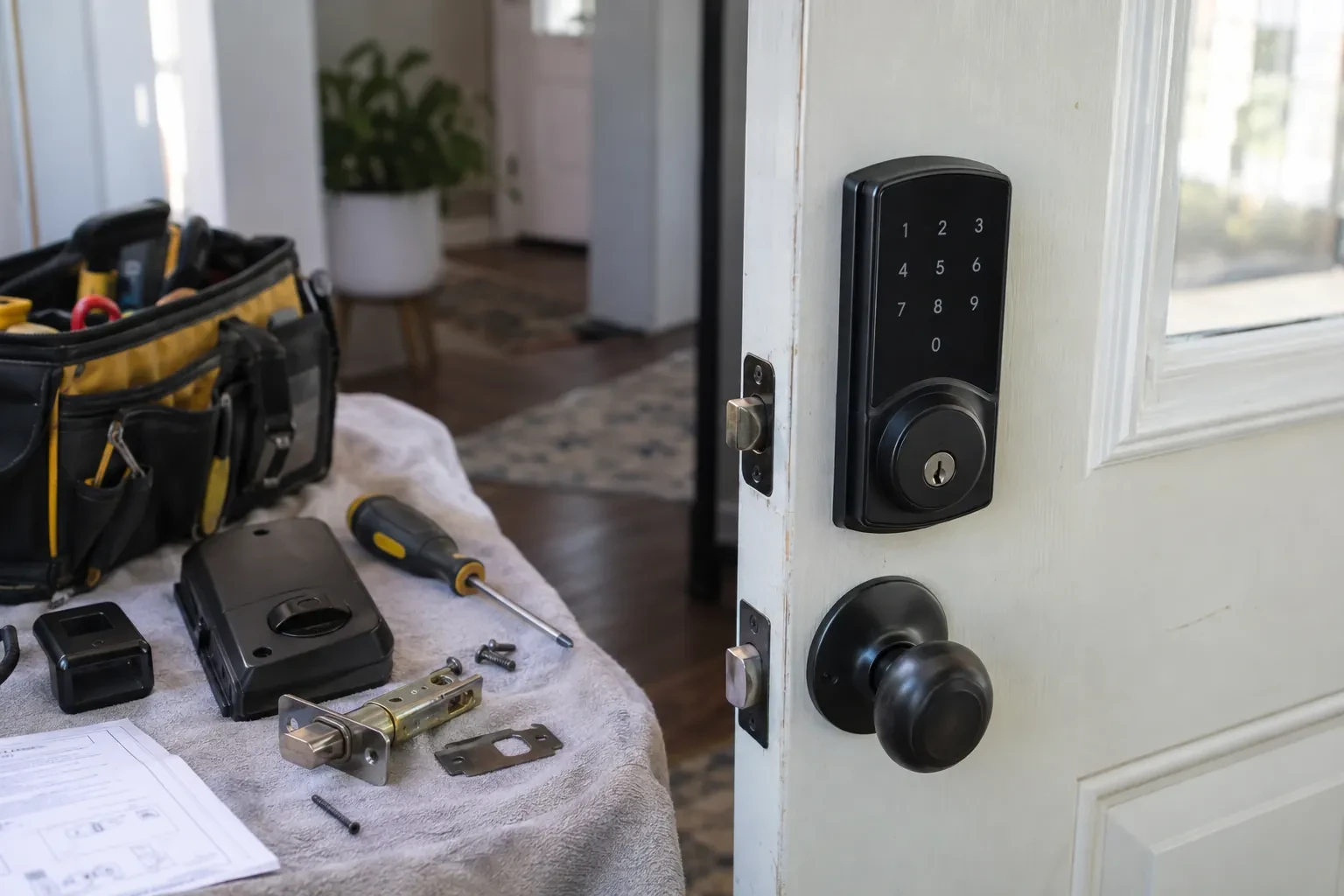
In the van
Replacement remote-head fob
Security-access module
Bench programming adapter
Diagnostic laptop or tablet
VIN reference tool
Transponder Key Programming
What affects the quote
Type of key: blade, remote-head or proximity
A basic transponder blade, a remote-head key with buttons, and a push-button proximity key each involve a different amount of pairing beyond the immobilizer chip itself, which affects both the parts involved and the time the visit takes.
Number of vehicles involved in one visit
A household with more than one vehicle needing keys programmed in the same visit is a longer job than a single vehicle, even where the vehicles share a similar system, since each one is read and written separately.
Fob battery or housing replacement
A fob with a failing battery, cracked buttons, or a worn housing may need that hardware replaced alongside the programming, which is identified during the initial check of the key rather than assumed either way.
What to have ready
- Was a spare ever cut without being programmed?
- Has an aftermarket alarm or remote starter been installed?
- Do you have the vehicle permit or registration on hand?
Transponder Key Programming: questions
QuestionsIf I only want a spare, what happens to my current key?
Nothing changes about it. A spare is added alongside the existing key without clearing or altering anything already stored in the vehicle's memory. The only keys that get cleared are the ones you specifically identify as lost, stolen, or no longer wanted, and that is confirmed with you before any clearing happens.
Will adding a new key affect the keys I already have?
Adding a key is meant to leave every existing key exactly as it was; the new identity is written alongside the others rather than replacing anything. The locksmith checks that the older keys still work as part of the same visit, precisely so an oversight does not go unnoticed. Only a key you specifically ask to have cleared, such as one that was lost, stops working.
What's the difference between a transponder key and a key fob?
The transponder is the passive chip that talks to the immobilizer and lets the engine start; it needs no battery of its own. The fob is the separate, battery-powered piece that handles remote locking, unlocking and alarm functions. Many modern keys combine both in one housing, but they answer two different systems, which is why a fob with a dead battery can still start the car with its mechanical blade.
Related services
- Car Key ReplacementAfter fifteen years the blade has worn to a smooth sliver.
- Spare Car Key DuplicationThe paperwork for the used car changed hands last week, and the previous owner mentioned, almost as an afterthought, that a second key never turned up.
- Key Fob ProgrammingButtons on the fob still light up and the remote still clicks, but the vehicle refuses to start even with the fob sitting in the cupholder.