Locksmith in Cachet, OntarioLocksmith in Cachet,on call around the clock
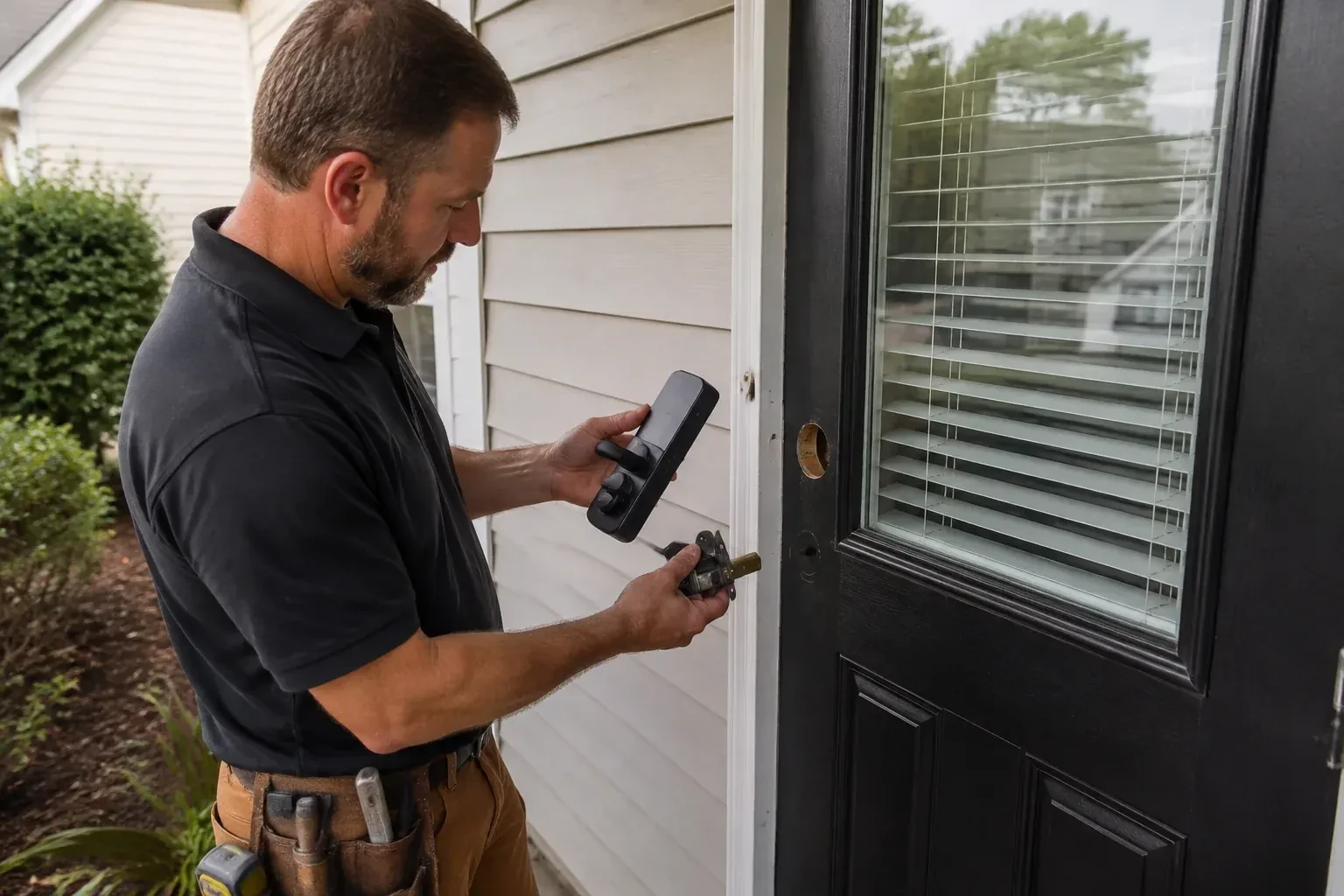
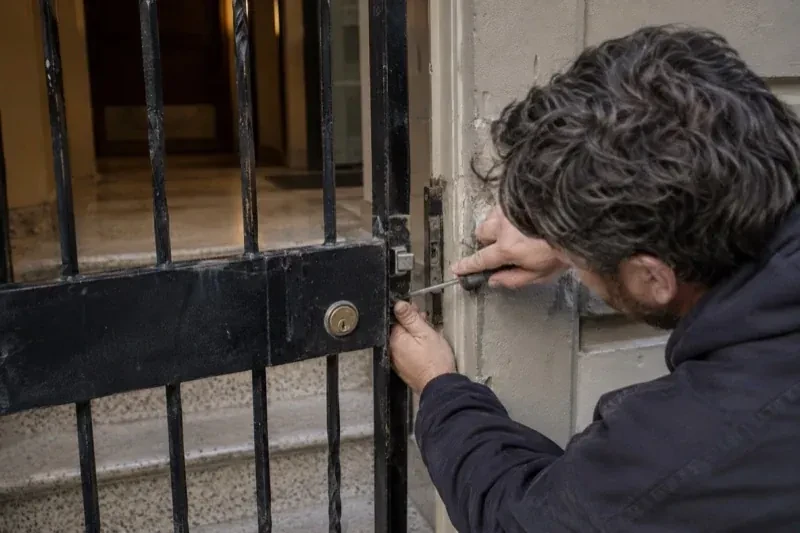
A lockout does not check the time, so neither do we. Households and businesses in Cachet can reach a working locksmith at any hour, and the fee for the visit stays the same whenever you call. We bring the same van and the same care whether the call comes at noon or long after dark.
A lockout does not check the time, so neither do we. Households and businesses in Cachet can reach a working locksmith at any hour, and the fee for the visit stays the same whenever you call. We bring the same van and the same care whether the call comes at noon or long after dark.
Practical locksmithing for real doors.
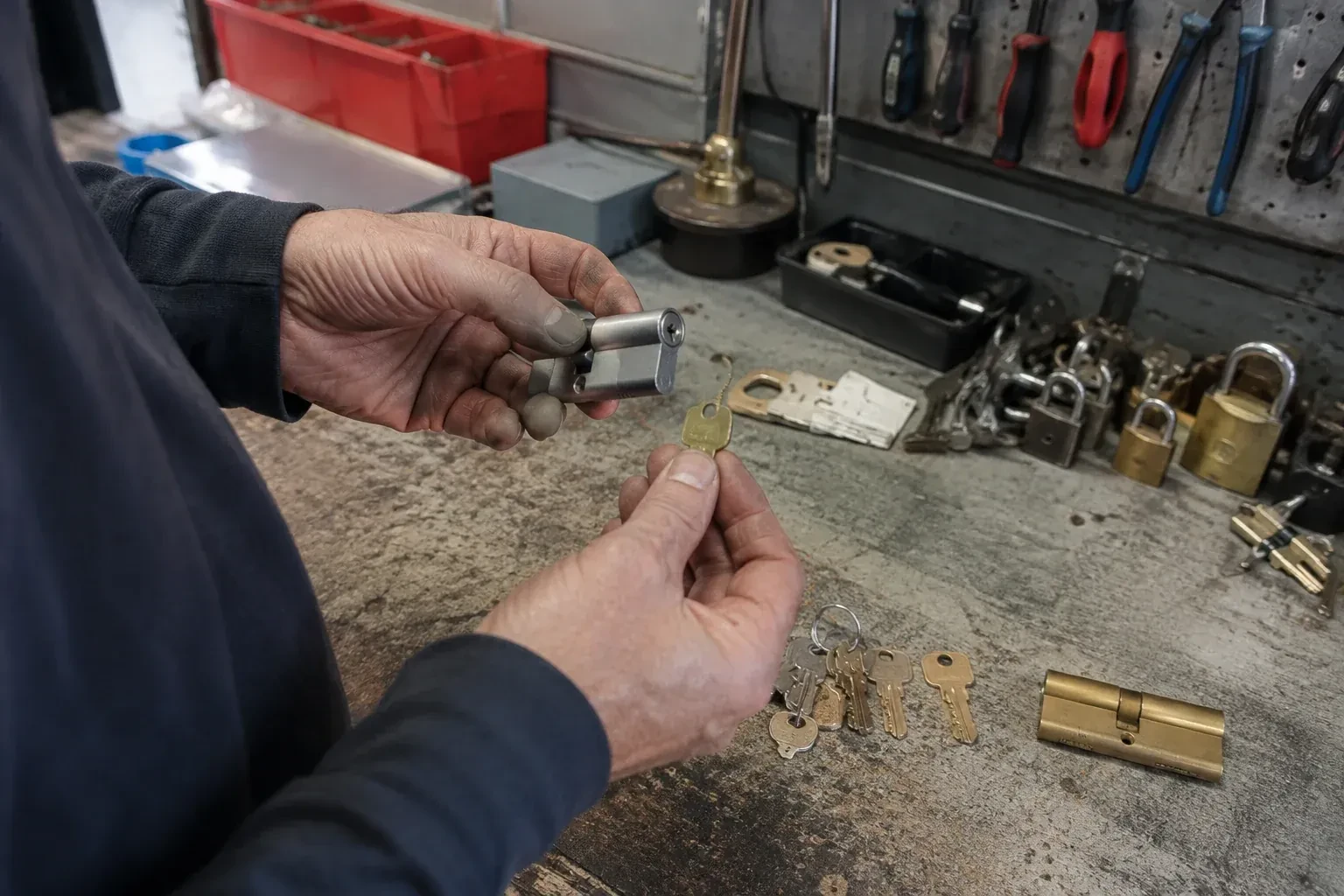
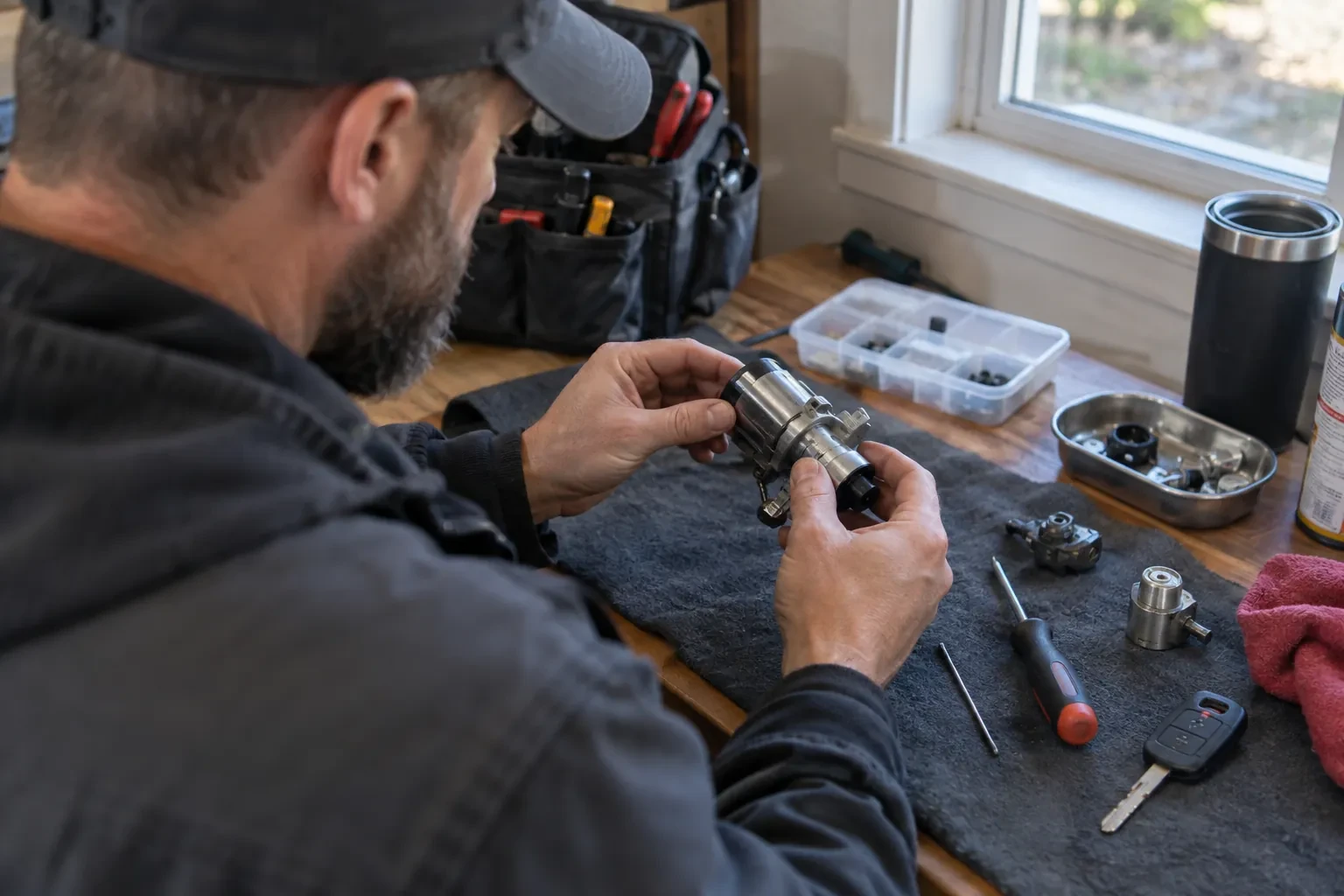
Every key we cut in Cachet is tested in the lock it belongs to before we leave. It sounds obvious, but a key that works on the bench and sticks in the door is a common complaint about lock work. We turn each one, from both sides where the door allows, and adjust the cut or the cylinder until every key slides in and turns cleanly.
Every locksmith visit in Cachet begins with a conversation. What is the door doing? Who else has a key? What would you like to be true afterwards? Those answers tell us whether to rekey, repair, replace or simply adjust, and they mean the technician arrives with the right cylinders, blanks and tools rather than a guess.
18years in business
24/7open every day
Explained before any tool comes out. You will hear what we found, what we suggest and why, before anything is changed. If you want a minute to think, take it.
Choices, not a single answer. Most problems have more than one fix. We lay out the practical options and the trade-offs, then let you choose the one that fits your home and budget.
A tidy doorstep. Shavings swept, packaging taken away, the old hardware offered to you or disposed of. The only sign we were there is a lock that works.
Every service listed here has been done many times on doors in Cachet, which is why each page can be specific about what gets checked, how the work is carried out, and what you are left with afterwards. Read the one that matches your situation, then reach out with any question the page did not answer.
About 19% of homes in Markham were built in 1980 or earlier, according to the 2021 Census.
Newer homes
Recent builds often have steel or fibreglass entry doors rather than solid wood. They resist warping and take hardware well, and a locksmith fitting a deadbolt or reinforced strike works with the door's construction so screws bite into something solid.
Single-detached houses make up about 56% of homes in Markham (2021 Census).
Where housing types are mixed, the same lost-key call means different things. In a house, rekey every door on the property. In an apartment, rekey the suite door and check with management about the common entrance. The locksmith asks which it is first.
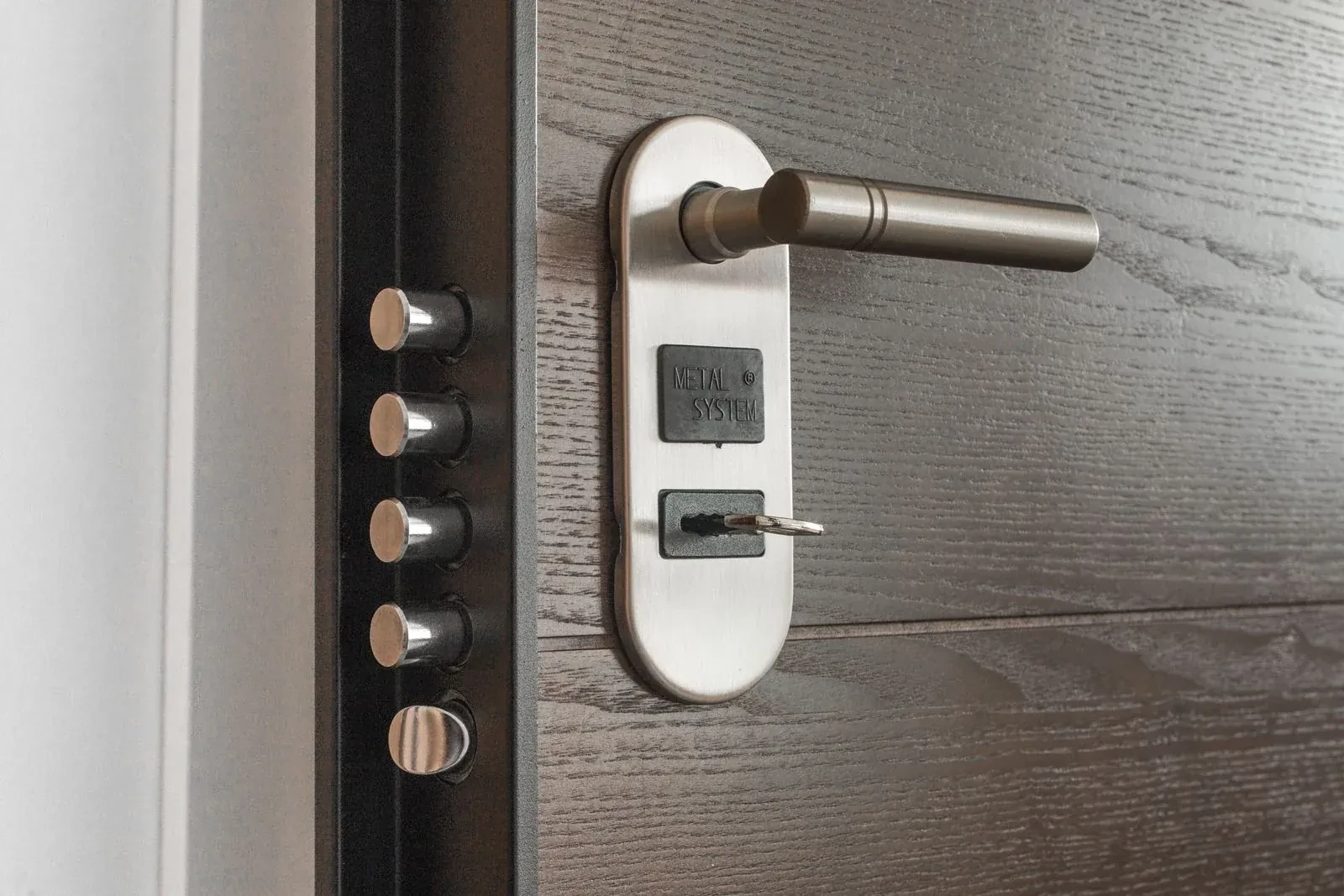
For homes, high security usually means a graded deadbolt, a patented cylinder and long screws into the frame. For businesses it adds laboratory-rated cylinders, heavy lock bodies and a key register. Both start with a conversation about what the door protects.
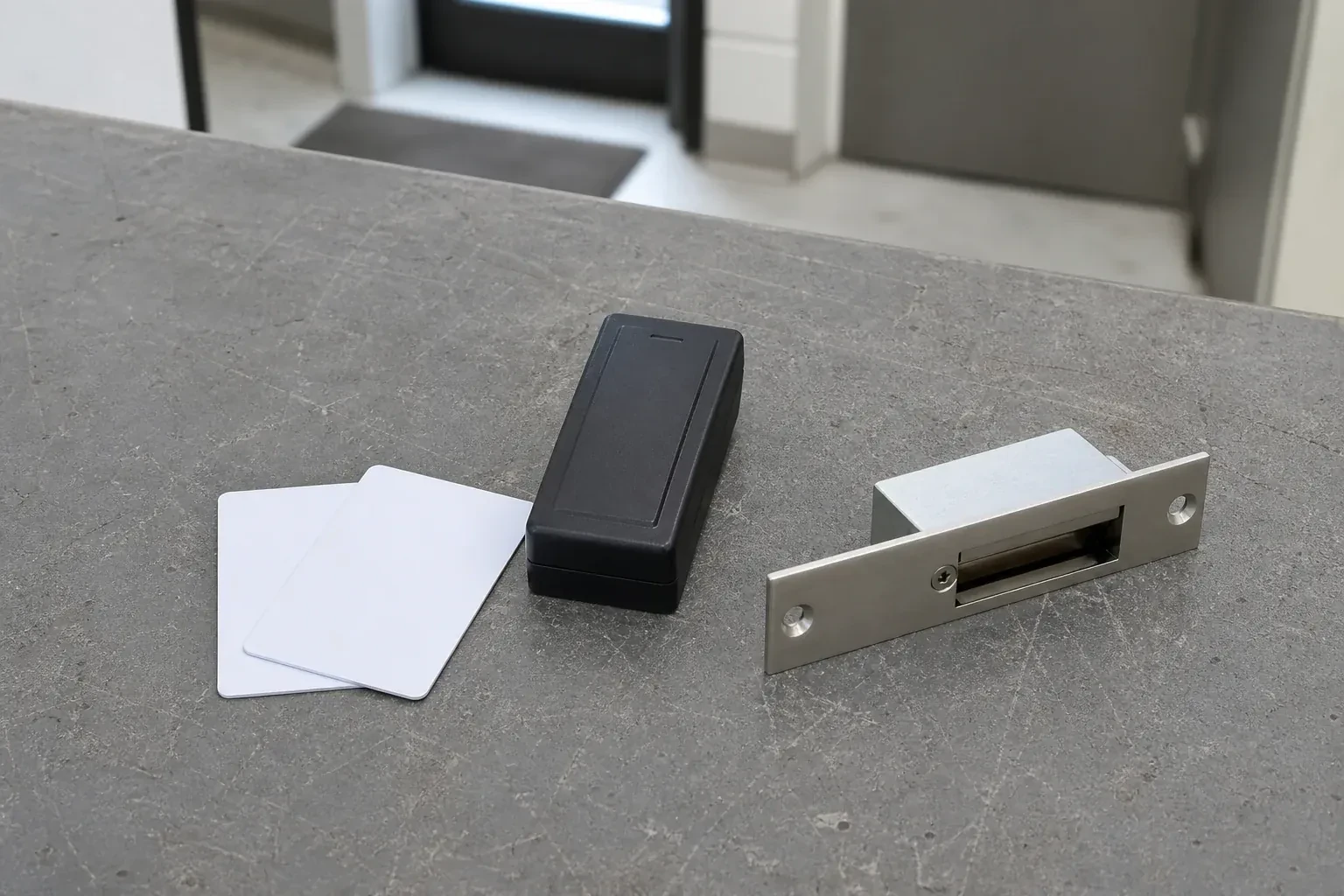
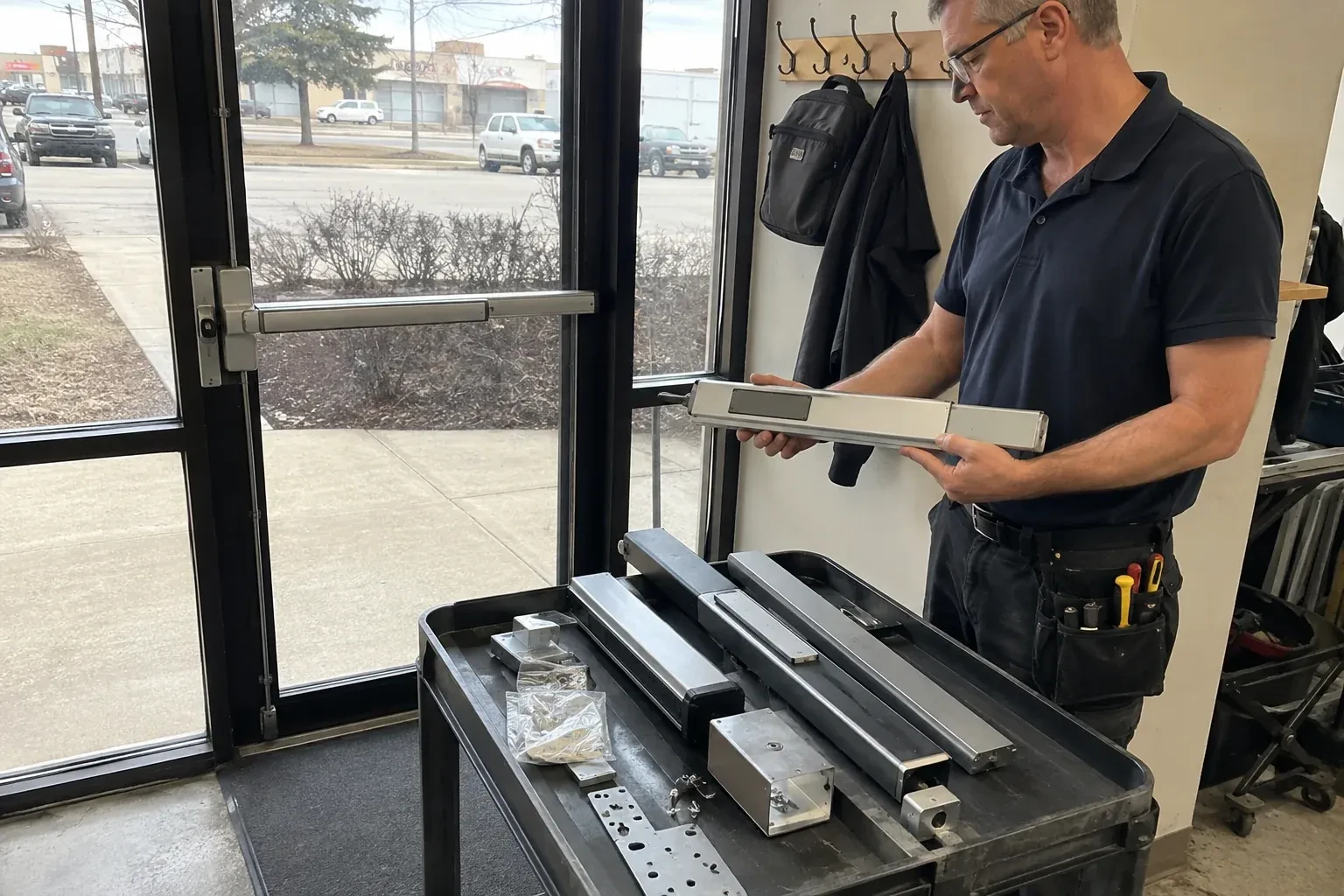
Clinics and pharmacies, schools and daycare rooms, offices with confidential files: these premises need doors that lock reliably and also release instantly from inside. Commercial locksmithing balances the two, with hardware chosen for each opening.
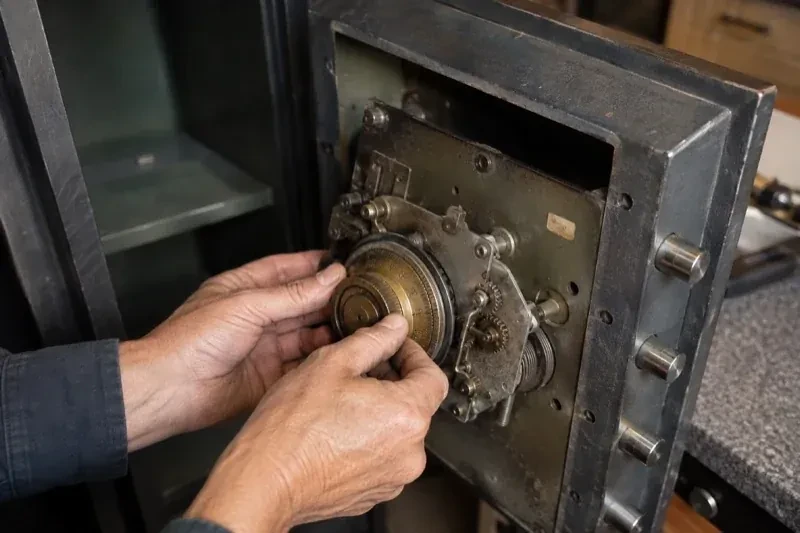
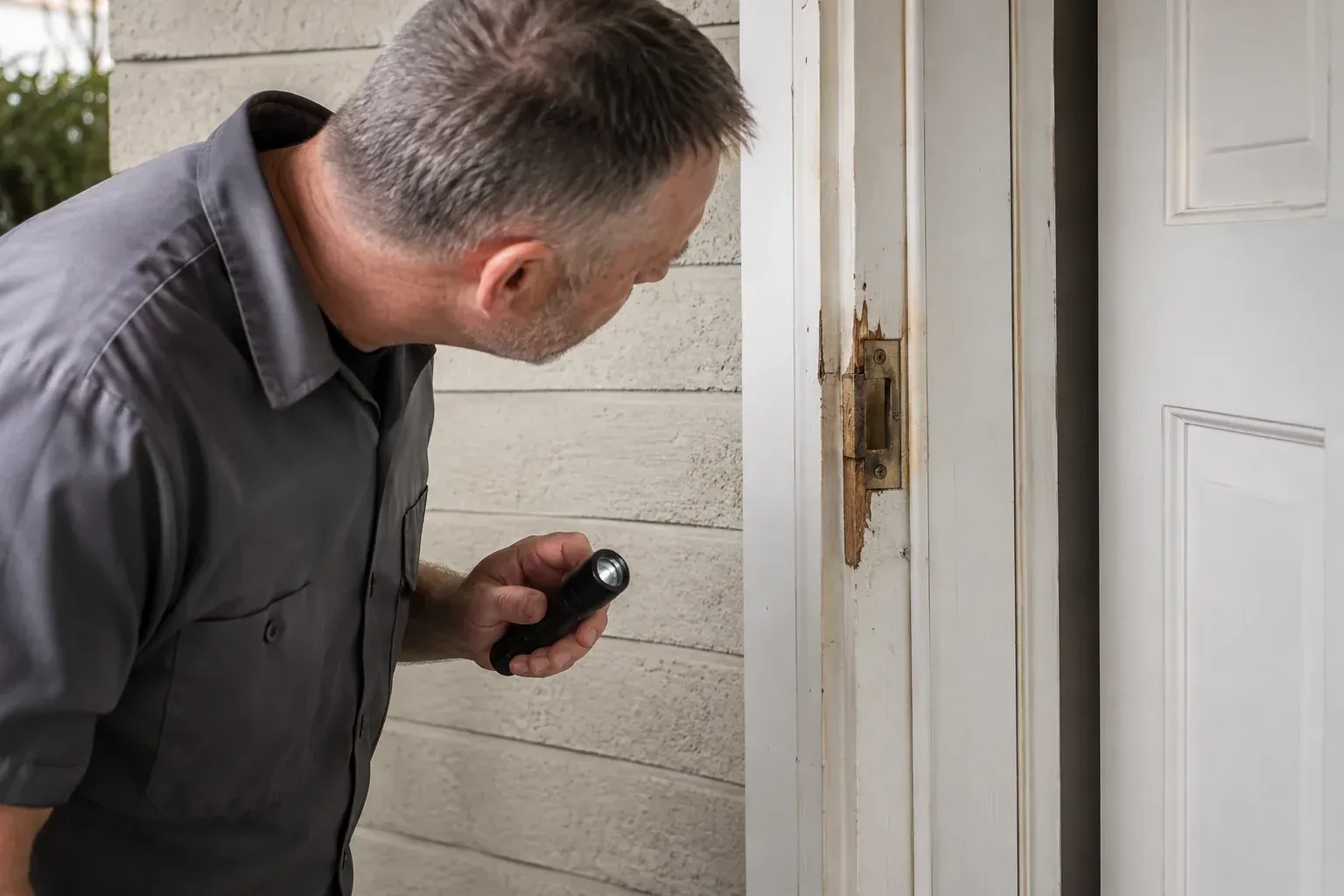
Pry marks circle the dial after an overnight break-in attempt, and the safe now refuses every number that used to open it, as if something inside has locked itself down.
A homeowner inherited a heavy old dial safe from a parent's house, moved it into the new place, and has no idea whether the bolt-work still works, whether the lock is sound, or how it should be anchored.
Which fix fits?
You stepped out to grab the recycling bin and the door swung shut behind you.
WhyIn a condo or apartment building, a single failing compartment often turns into several once a property manager starts asking around, and this service scales either way.
A key turned up in the parking lot with the shop's name on its fob.
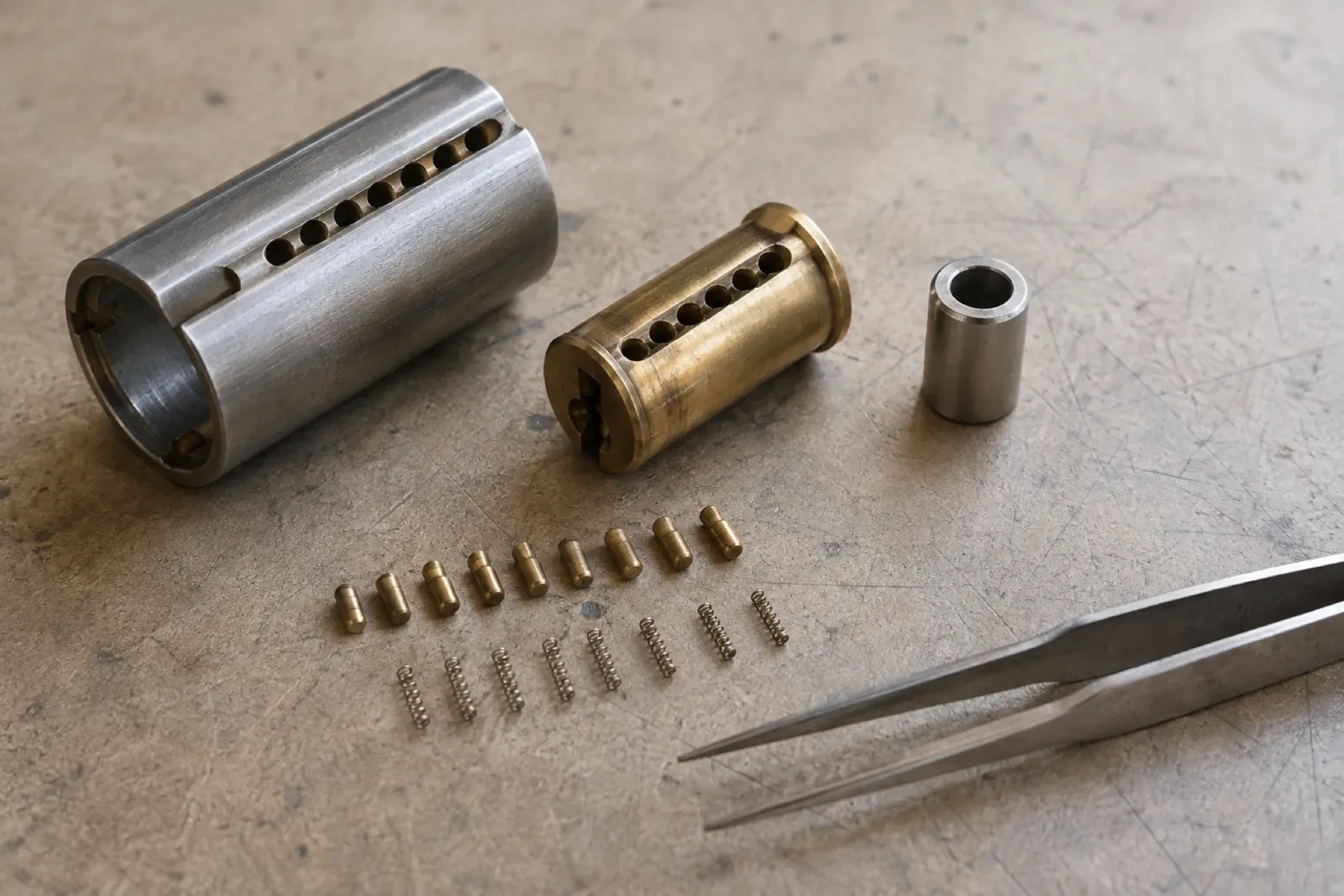
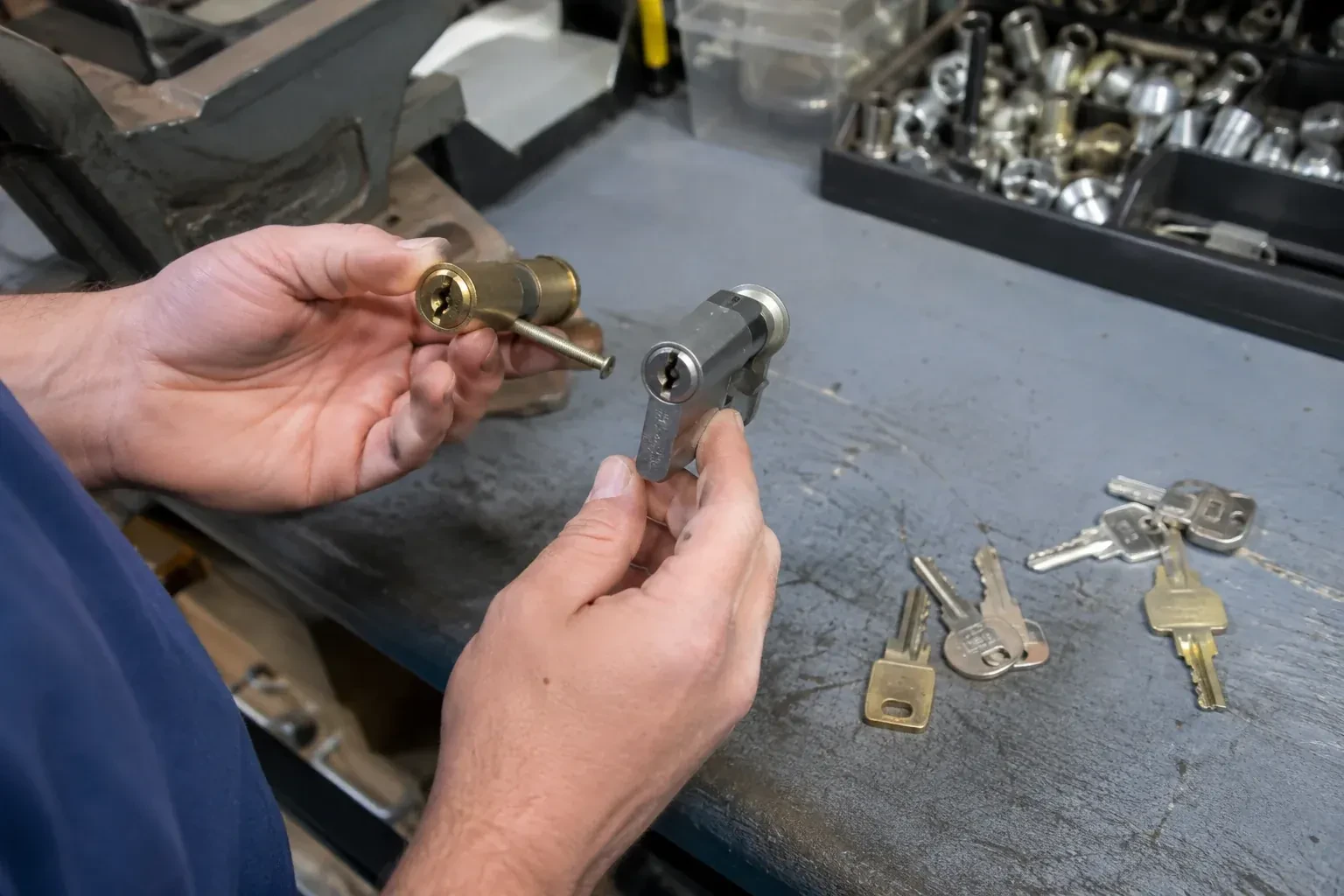
WhyCommercial rekeying changes the pins inside a business's existing lock cylinders so that a new key operates them and every earlier key stops working, while the hardware itself stays on the door.
WhyIn a building shared by several tenants, departments or contractors, master key system design draws a clear line between who needs a broad master and who needs a single change key for their own door.
A new tenant moved into the unit next door, and the property manager just found three different cylinders on three doors, none of them cut to the same key.
WhyA business door rarely fails the same way a house door does, because it opens far more often and often has to satisfy a fire or egress rule a home door never faces.
After fifteen years the blade has worn to a smooth sliver.
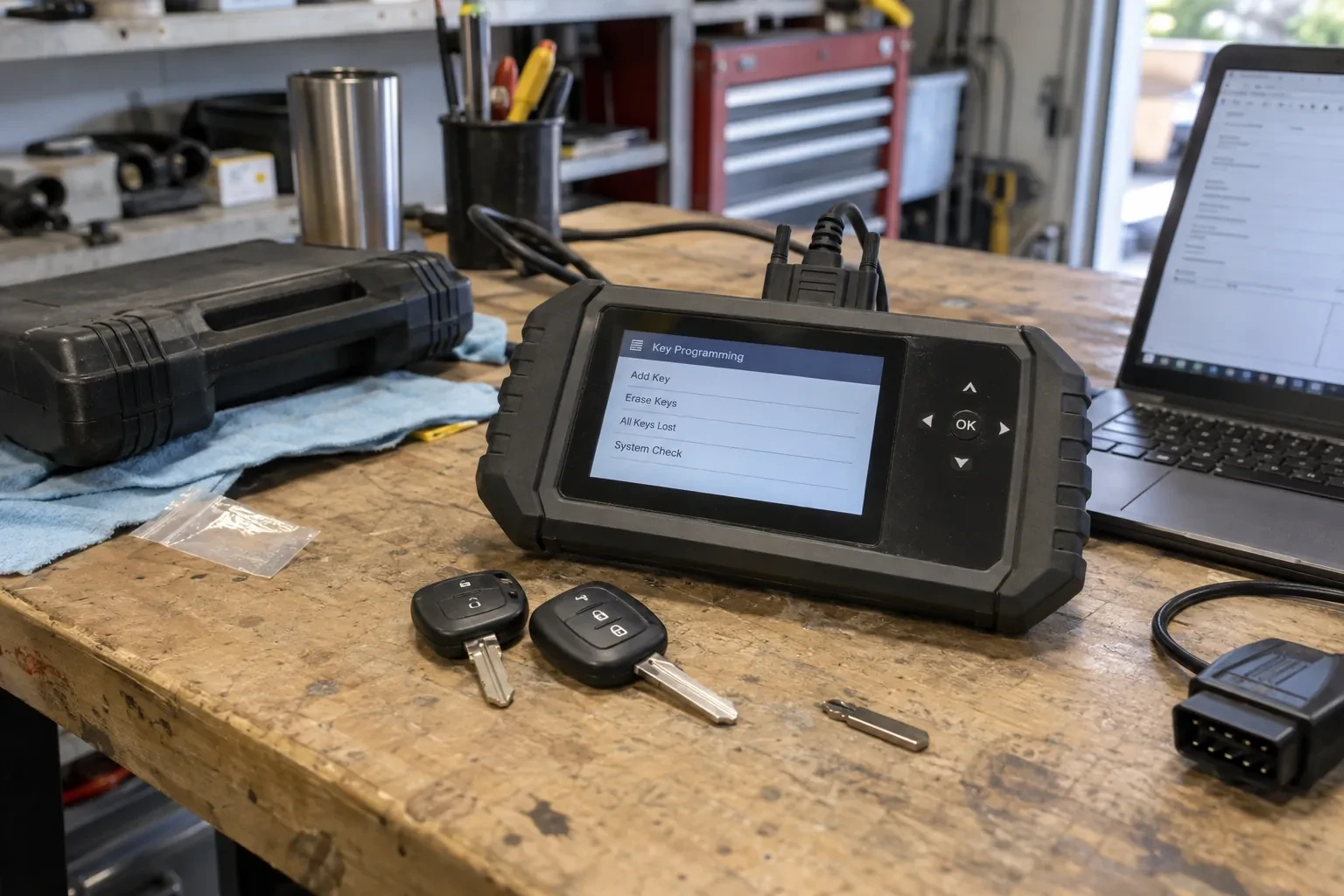
WhyUnderneath the plastic case, a fob is a small radio and, on most modern vehicles, a chip the immobilizer reads before allowing the engine to start.
Good days. Start with a turn.
1/9Home Lockout Service
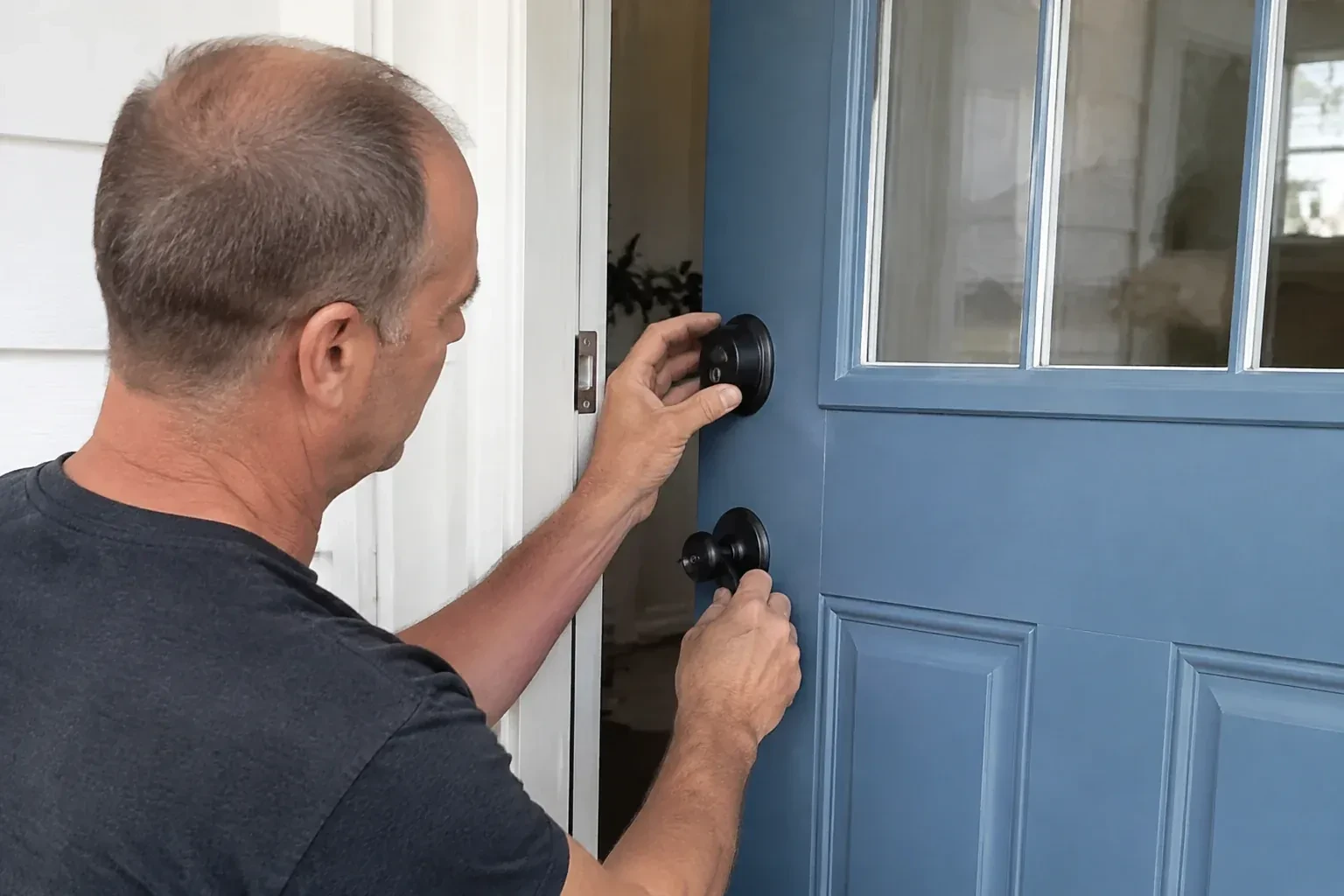
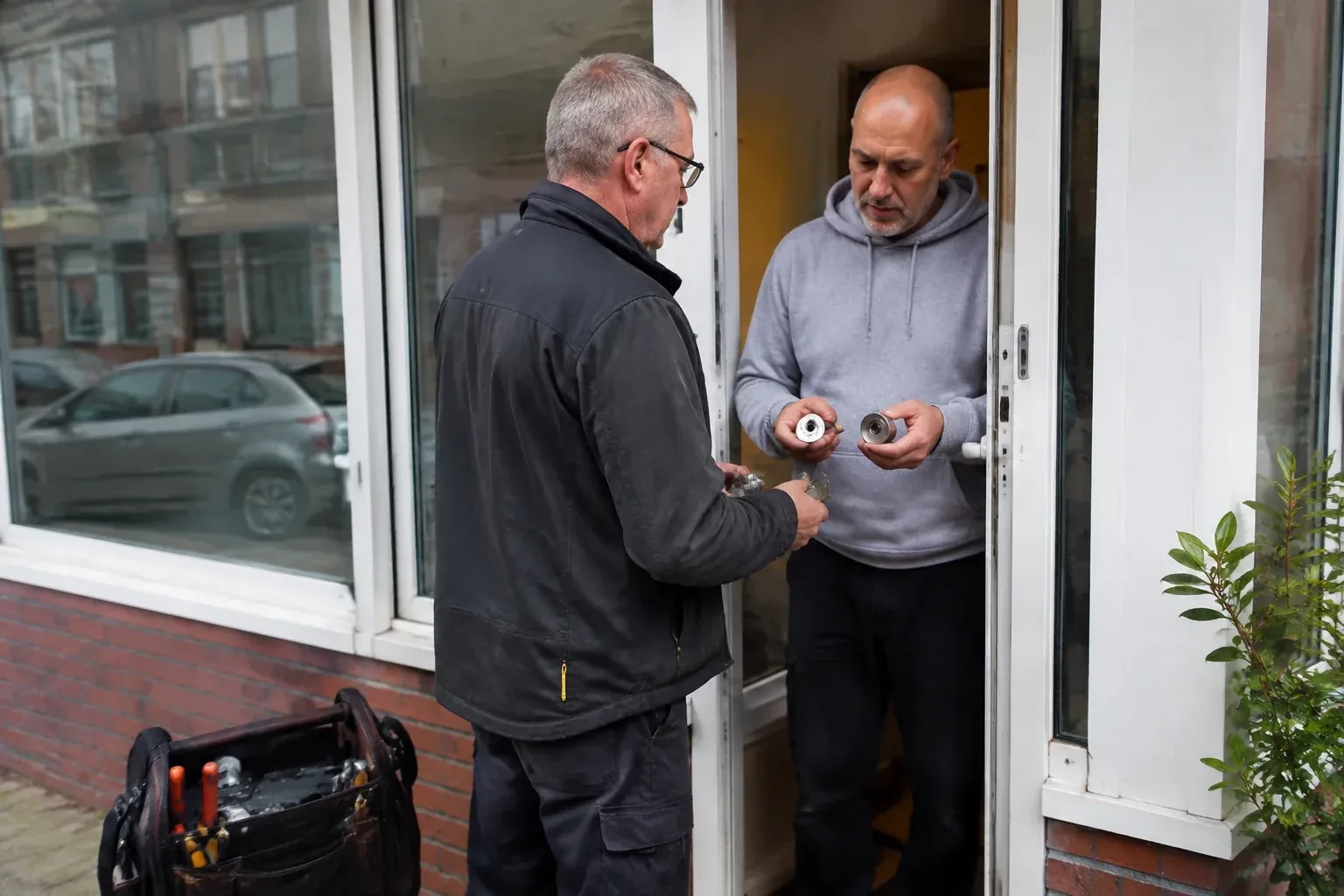
You stepped out to grab the recycling bin and the door swung shut behind you. Through the glass you can see your keys hanging on the hook by the stairs, exactly where they always are, and the latch has caught.
You moved in three weeks ago. The previous owner left a handful of keys, none labelled, and the bolt on the side door rattles in its housing. You would like every exterior door to bolt, and to know exactly who can open it.
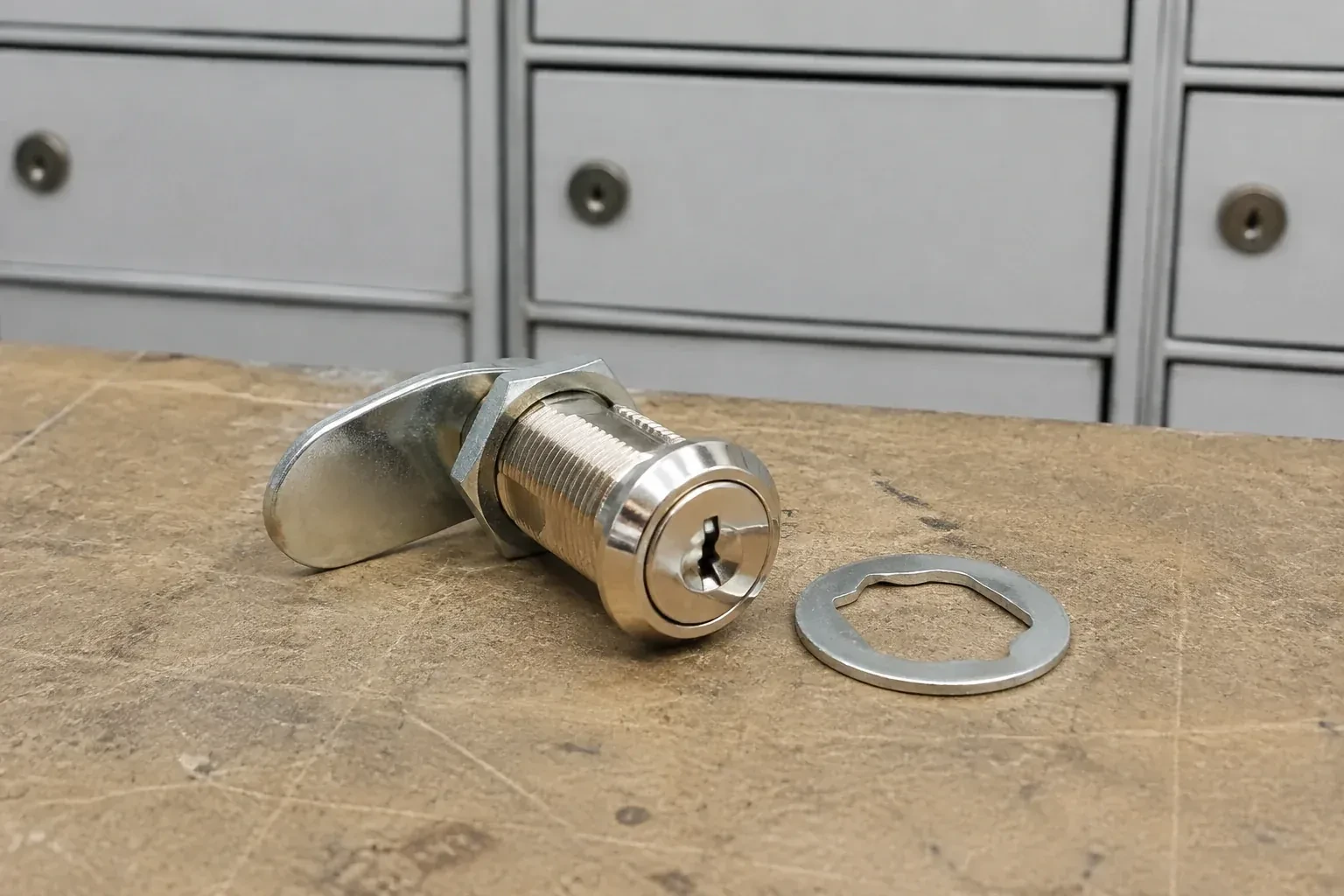
The mailbox key snapped clean off in the lock last week, and the stub is still sitting somewhere inside the cylinder. Nothing else on the ring gets anywhere near that keyway, and the mail is piling up because of it.
A key turned up in the parking lot with the shop's name on its fob. It came back to you, which is lucky, but it means keys are leaving the building on rings you have never seen, and the shop's locks have not changed since opening day.
The office key ring has become the org chart. Every manager carries a fistful of cuts, a couple of staff hold copies nobody remembers issuing, and when someone asks which key opens the records room, three different people give three different answers.
A new tenant moved into the unit next door, and the property manager just found three different cylinders on three doors, none of them cut to the same key.
After fifteen years the blade has worn to a smooth sliver. It needs a jiggle in the ignition most mornings, this week it took three tries, and a copy cut from that same worn key would only carry the wear forward.
The blade on the everyday key has gone shiny and thin along one edge, and lately it needs a wiggle before the ignition catches. Nobody wants to be holding a failing original with nothing waiting in reserve if it finally gives out.
The car changed hands last week, and the paperwork included exactly one fob for a household with two drivers. Somewhere in a previous owner's kitchen drawer sits a second one that never made the trip, and neither person has any way to reach it now.
Do I have to show identification before you open my door?
Yes, and it is a reassuring step rather than a hurdle. Photo identification that matches the address settles it in seconds. When your identification still carries a previous address, other proof does the job: a tenancy agreement, a recent bill, a piece of addressed mail, or a word with your building manager. Locksmiths take this seriously because it protects every home they are asked to open, including yours.
Can a deadbolt be added to a door that only has a knob?
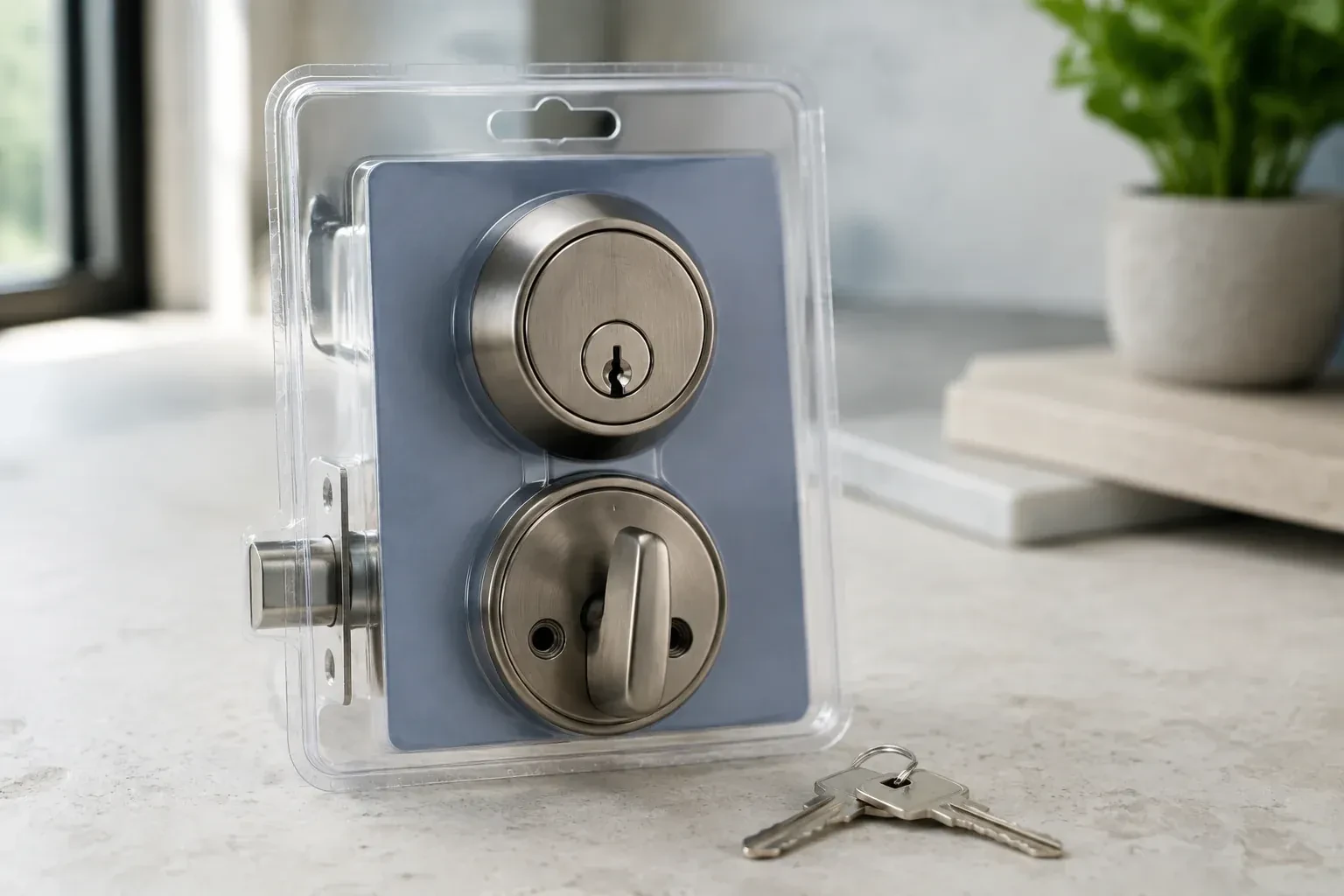
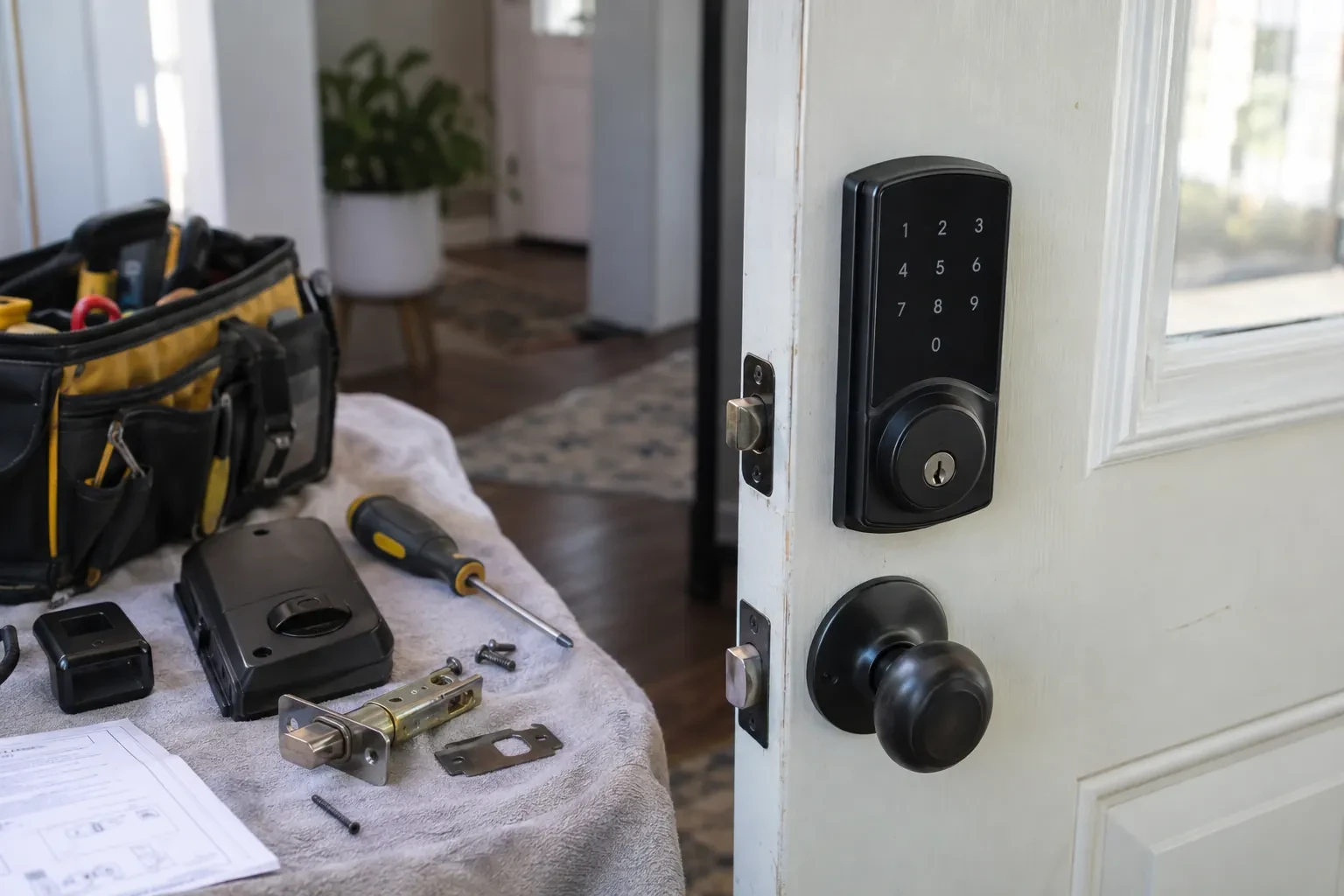
Yes, on nearly any wood, steel-clad or fibreglass entry door. The locksmith marks a spot above the knob, clamps a jig to the door and bores a cross hole through the face and a smaller hole through the edge, then cuts a pocket and fits a strike on the frame. The main things checked first are the door's thickness, what is inside it at that height and whether glass sits close by.
Can you service a community mailbox that the postal operator installed on our street?
That particular kind of mailbox is owned and serviced directly by the postal operator, including its locks and replacement keys, so a resident with a lost key there contacts them rather than a locksmith. This service covers mailboxes that belong to a home, a business, or a condo or apartment building, such as a lobby panel or a slot built into a house door.
Is a restricted keyway worth it for a business?
A restricted keyway uses blanks that only the locksmith or authorized source can obtain, released against whatever that key-control program requires, a signed letter, card, signature record or factory authorization naming who may order keys. Hardware stores and kiosks have no blanks, so copies are far harder to get without your say-so. It costs more per key than a standard keyway and is most valuable where keys pass through many hands, such as retail with part-time staff, shared premises or anywhere the count of copies has drifted before.
Can a master key system be expanded later without redesigning it?
Usually yes, if spare capacity was planned into the keying platform from the start. A new hire is normally handed a copy of the bitting their role already calls for, and a realistic new door can be pinned to accept a combination already reserved for that purpose. A system pinned to its absolute limit on day one has less room to grow, and adding a level to existing doors later can mean repinning cylinders that are already in daily use.
What is the difference between a mortise lock and a cylindrical lockset?
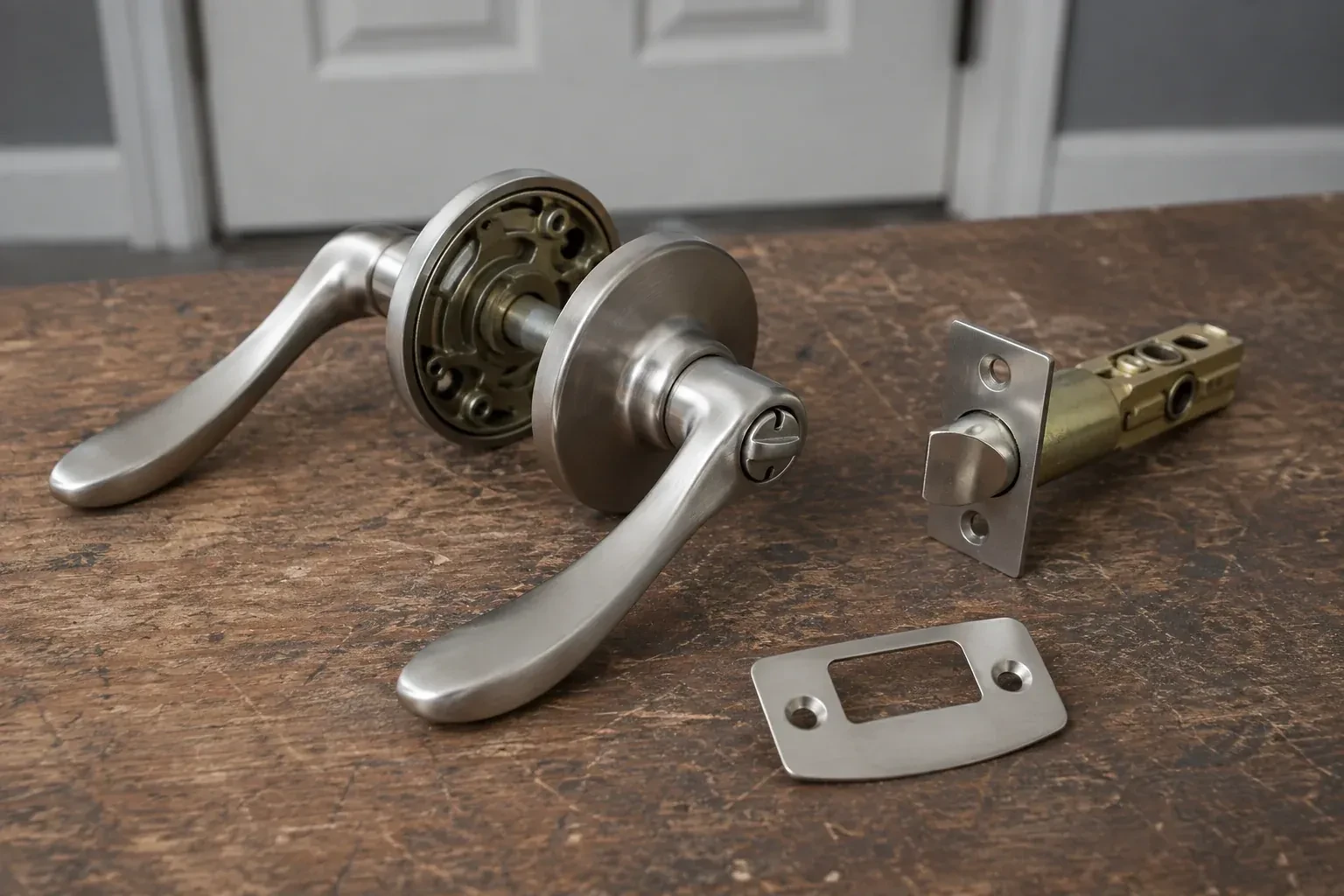
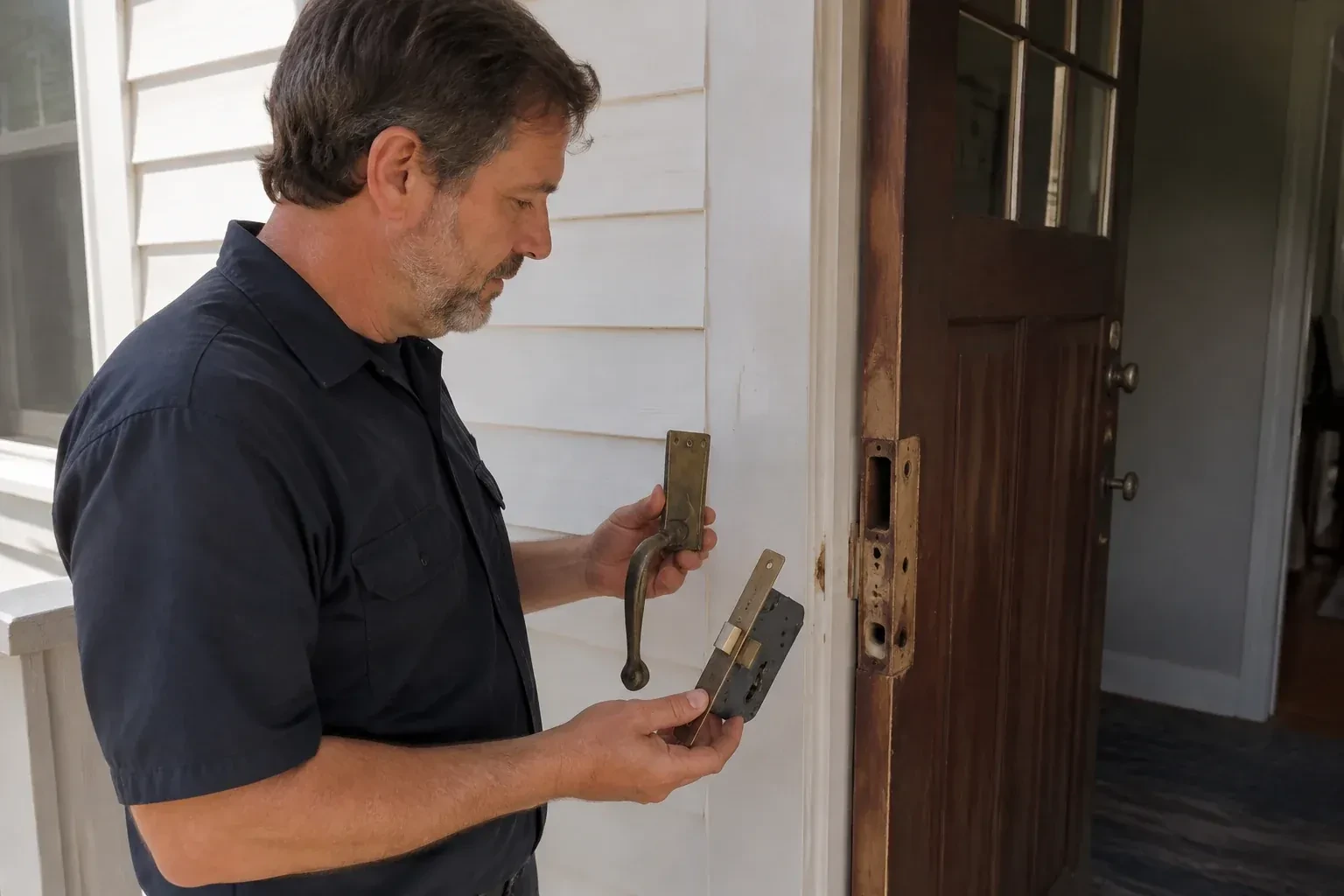
A mortise lock has its whole mechanism, latch, deadbolt and sometimes a separate handle function, built into one case that sits inside a pocket cut into the door's edge. A cylindrical lockset is a bored-in unit, simpler to service, common on standard commercial and residential doors alike. Which one your door takes depends on how it was originally prepped, not on preference alone.
The fob died in the cold. Is that a battery or the key?
Almost always the battery. Coin cells deliver less in deep cold, and a cell that was already weak goes quiet on the first bitter morning. Most cars still start with a flat fob if it is pressed to the start button or laid in a marked slot, and the emergency blade opens the door. Replace the cell, and if the fob stays silent with a fresh one, the remote board or a corroded contact is the next thing to look at.
How should I store the spare once I have it?
Somewhere other than inside the vehicle, since a spare kept in the glovebox solves little if it is the vehicle itself that becomes inaccessible. A bag that travels separately, a drawer at home, or a trusted family member all work. A passive proximity spare also benefits from a signal-blocking pouch during storage, since that kind of fob keeps broadcasting even sitting untouched in a drawer; a standard button-operated remote does not need the same pouch.
Is fixing a lost key different from just adding a spare?
Yes. Adding a spare while every existing fob still works only involves registering the new one. A lost key involves that same registration plus removing the missing fob's authorization following that vehicle's own procedure, since leaving it active means whoever has it can still use it; some vehicles also relearn the fobs you keep, and a mechanical blade in the lost fob is ruled out by rekeying the matching lock. The two situations share a first step but not a last one.
Request a visit
Every key we cut in Cachet is tested in the lock it belongs to before we leave. It sounds obvious, but a key that works on the bench and sticks in the door is a common complaint about lock work. We turn each one, from both sides where the door allows, and adjust the cut or the cylinder until every key slides in and turns cleanly.