Change or rekey · German Mills
Gate & Building Entry Locks in German Mills
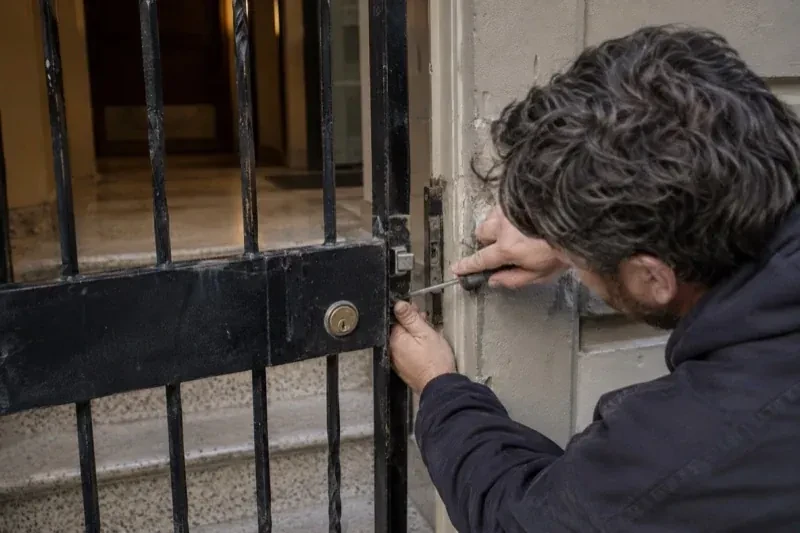
The padlock on the side gate has gone stiff every winter for three years running, and this year the key simply will not turn past the first few pins.
In plain words
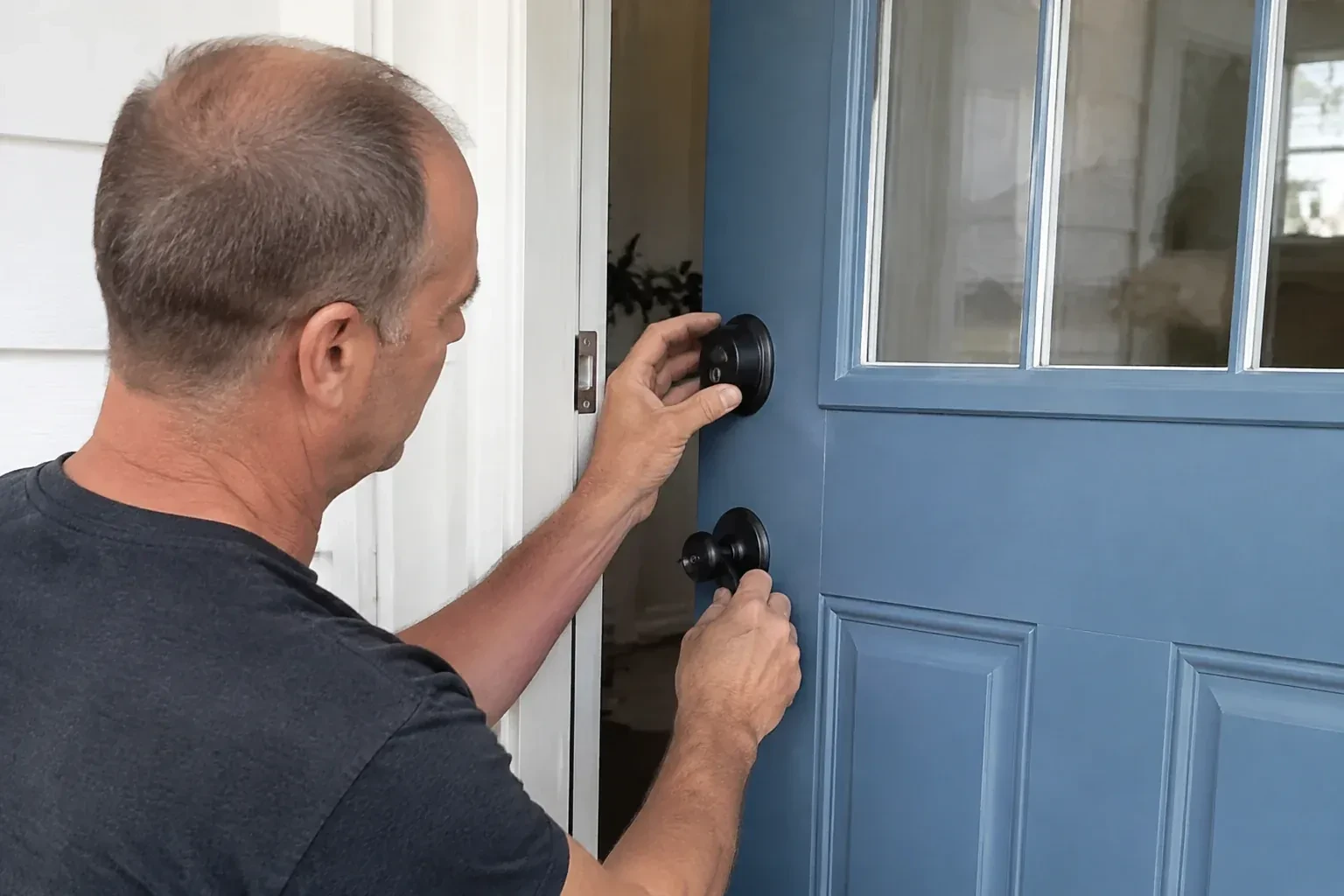
Gate & Building Entry Locks brings a property's outdoor gate hardware and its shared entrance into one visit, rather than treating the latch and the door's physical fit as separate problems. The locksmith reads how the gate or door actually moves, matches that to a lock built for outdoor use, and adjusts the closer and strike so the two agree. Where more than one household or unit relies on the same entry, the keying is planned around everyone who needs a working key, not just the person who placed the call.
How the visit goesBetween the front gate, the side gate and the one behind the shed, there are three different padlocks, three different keys, and a growing pile of duplicates in a kitchen drawer that nobody can match to the right lock anymore.
Gate & Building Entry Locks
How the visit goes
Identifying the hardware family
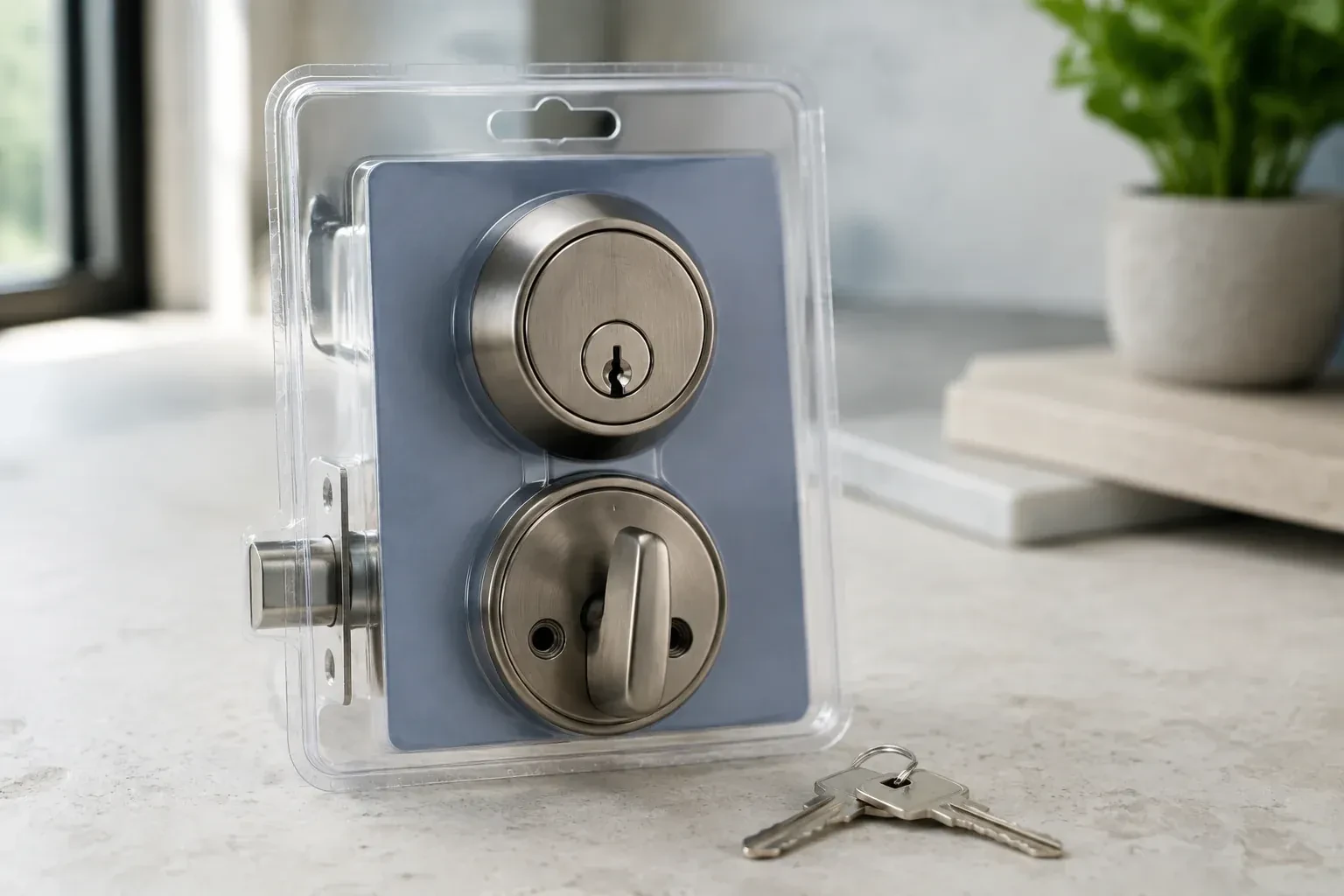
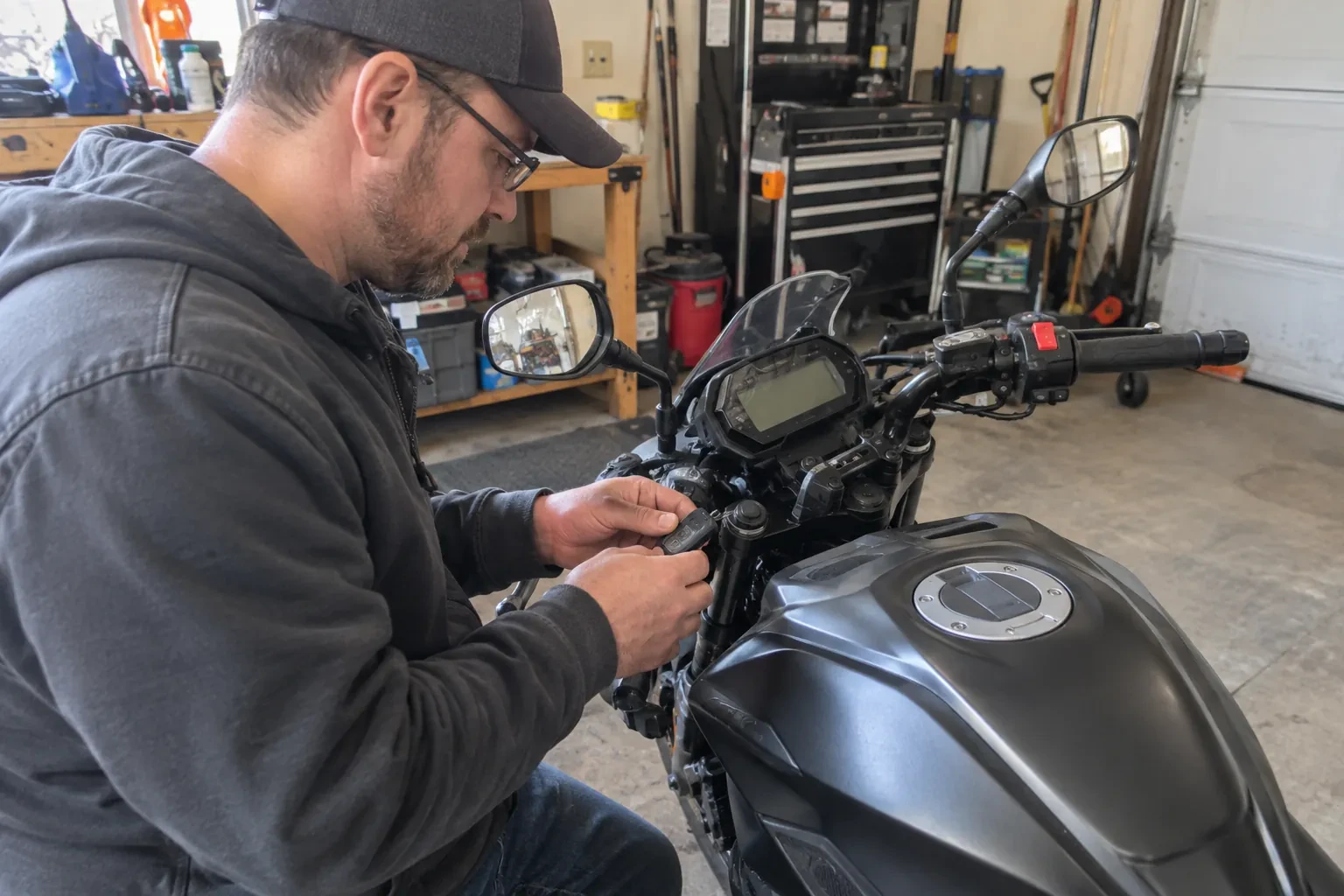
Every lock on a gate or shared entry belongs to a family with its own habits: a surface-mounted gate lock, a mortise case built into a heavier door, a rim cylinder feeding an electric strike, or a panic device on a fire exit. The maker's mark, the keyway shape and whether a thumb-turn or a second keyed side is present all point to which family sits on the door. Getting this right before opening anything up is what lets the visit move straight to adjustment or replacement instead of guessing at parts that will not fit the housing already there.
Bringing the closer into proper adjustment
Once the gate or door's swing has been read, the closer is adjusted in stages: overall closing speed, the final push that seats the latch, and how firmly the last few centimetres land. Each change is tested by cycling the gate several times before moving to the next adjustment, rather than guessing at a single setting. Where the arm, fittings or fluid are worn beyond adjusting, the closer is replaced with one sized to the gate's weight and width. The aim is a gate that swings its full arc, slows near the end, and settles into the latch on its own every time.
Everyone currently there has a matching key
If the visit involved a rekey, every current resident, tenant or key holder leaves with a key cut to the new combination, and a short written note of who received one. Anyone who moved out before the change is now holding a key that no longer fits whichever gate or door was rekeyed, though it may still turn any other cylinder on the property that kept its old combination. Where several gates or doors were brought onto the same key, each one is tested in your hand before the locksmith leaves, so you are not left guessing which key opens which gate the next time you need one after dark.
Gate & Building Entry Locks
In the van
Hinges, pivots and shims
Dry graphite or PTFE lubricant
Strike plates and keepers
Key blanks and code cutter
Voltage tester for electric strikes
Gate & Building Entry Locks
What affects the quote
Master key or keyed-alike planning
Setting up a master key system, or bringing several separate locks onto one shared key, involves planning the pinning structure across every cylinder involved, which is more work than rekeying one lock in isolation.
Whether keys need coordinating across doors
Rekeying a single lock is one task. Bringing several gates or a shared entry onto one common key, or setting up a master key arrangement across a property, adds planning and cylinder work beyond a single rekey.
How many current key holders need new keys
Keys cut on site are counted individually into the quote. A single household needs far fewer than a multi-unit building entry where every current resident is being issued a fresh key at once.
What to have ready
- Which gate or door is giving you trouble?
- Is this a single household gate or a shared building entry?
- Has anyone moved out or left the building recently?
Gate & Building Entry Locks: questions
QuestionsShould I choose a padlock or a built-in gate lock for a new gate?
A padlock through a hasp is simple to fit to almost any gate and easy to rekey or swap later, which suits a gate that gets occasional use or belongs to more than one type of user, such as a shared laneway. A built-in gate lock with its own latch and cylinder tends to suit a gate used daily, since it operates with one motion instead of fitting and removing a separate padlock each time. Either can be paired with a closer if the gate should shut on its own.
My key snapped off in the gate lock. What now?
The broken piece is removed with extraction tools shaped to grip and draw it out, rather than forcing it further in, and the door or gate is then opened using the remaining portion or by working the cylinder directly. Afterward the locksmith checks why the key broke, since a healthy cylinder rarely snaps a key on its own; a stiff or corroded plug is a common cause outdoors. A fresh key is cut from the code or a clean original rather than a worn copy.
Why does my gate lock stick every winter?
The usual cause is meltwater getting into the keyway during a thaw and refreezing overnight, which stiffens the plug or blocks it outright, along with cold thickening any grease left inside from the factory. Road salt tracked onto ground-level hardware adds corrosion on top of that. A cylinder treated with the lubricant its maker specifies, kept clear of standing water, generally handles a winter far better than one left as it came, and a weather-rated replacement, kept up the same way, holds up better once the current one is pitted.