Change or rekey · Markham
Gate & Building Entry Locks in Markham
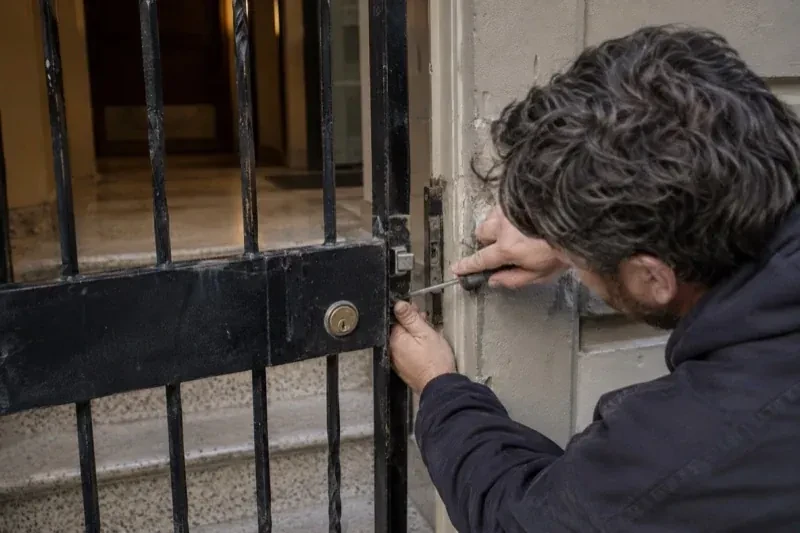
The padlock on the side gate has gone stiff every winter for three years running, and this year the key simply will not turn past the first few pins.
In plain words
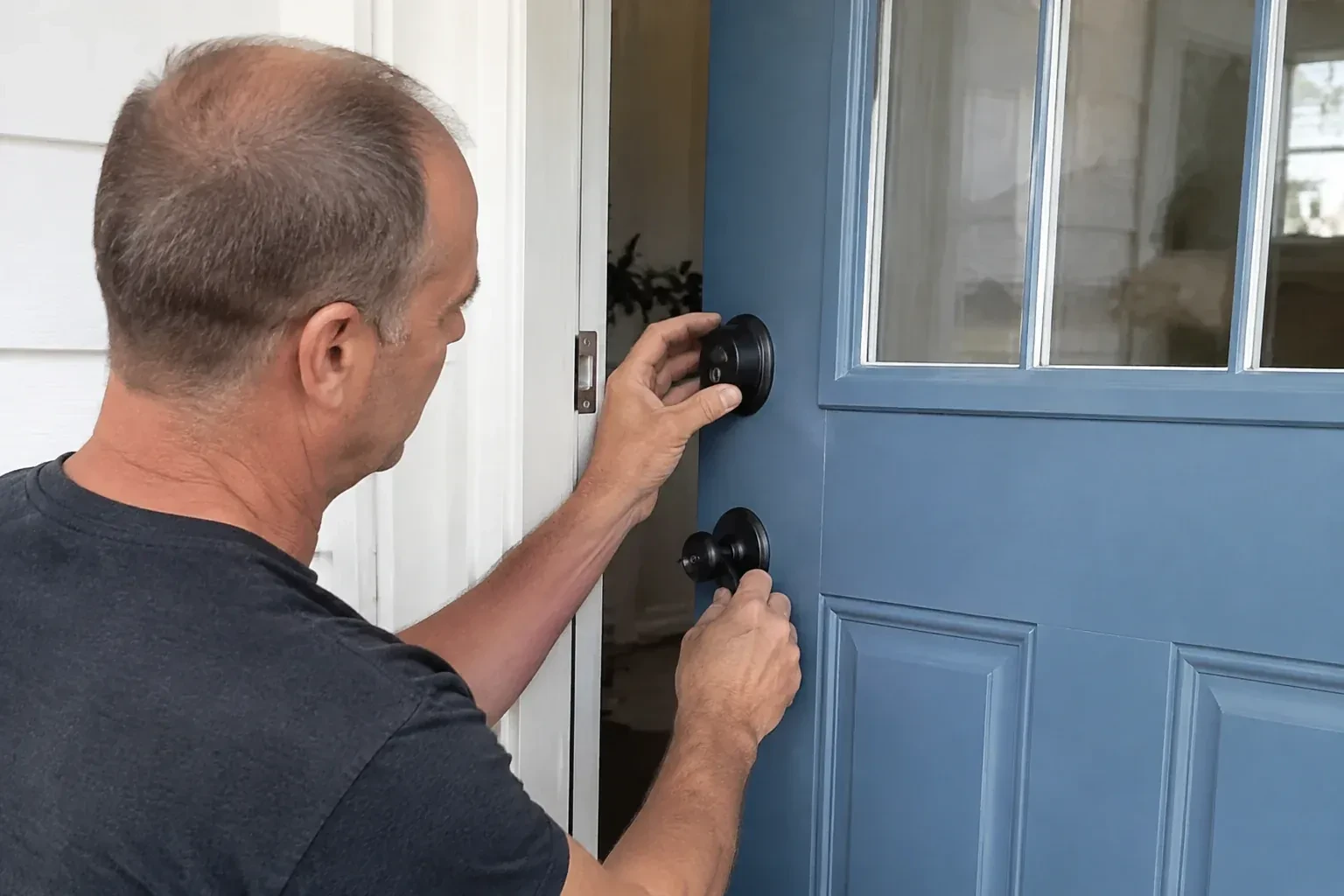
Hardware bolted to a gate or an exterior building door lives outside every day of the year, which is a different job from a lock tucked behind a storm door. This service treats that exposure as the starting point: cylinders rated for weather, fasteners that resist road salt, and a closer set up to keep working through a freeze-thaw cycle rather than seizing at the first cold snap. The result is a gate or entry that keeps operating through the season it is most likely to struggle in.
How the visit goesA neighbour mentions, in passing, that the key from three tenants ago still lets him into the building's front door. Nobody changed it after he moved out, and now the property manager wants to know exactly how many keys are still floating around out there.
Gate & Building Entry Locks
How the visit goes
Taking stock of who holds a key
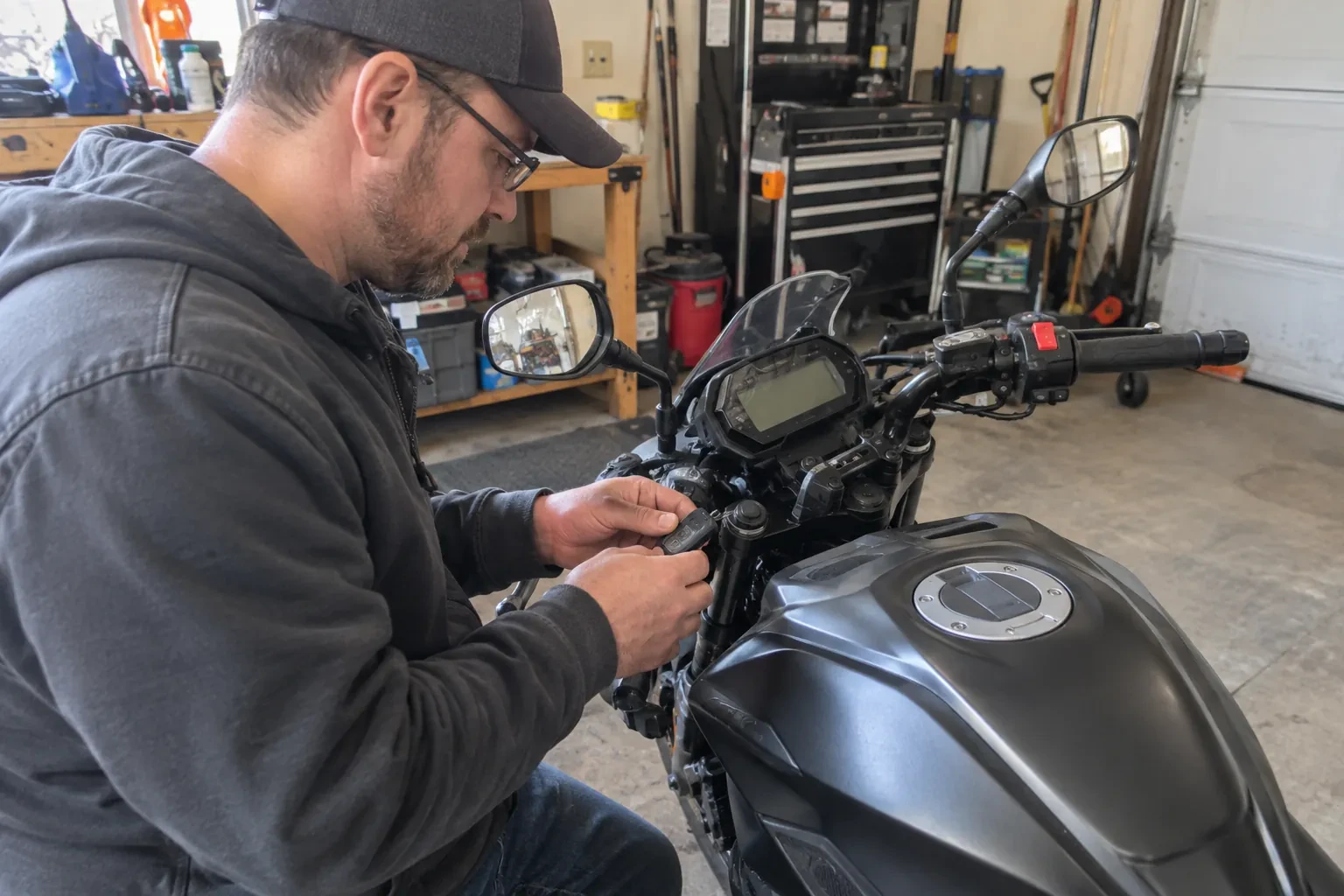
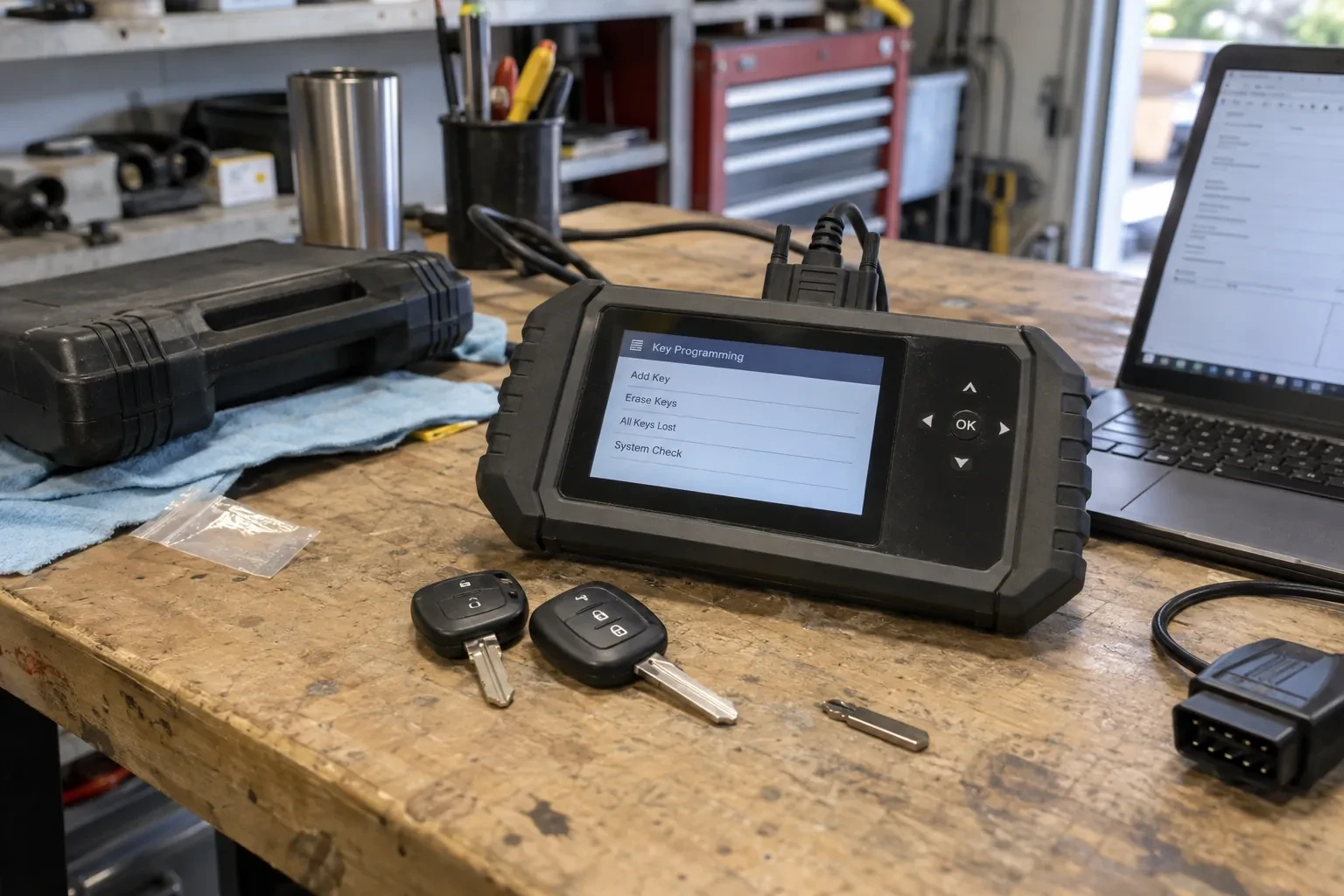
On a shared entry, the lock is only half the picture; the other half is who currently has a working key. The locksmith asks how many units or households rely on this door, whether anyone has moved out without returning a key, and whether other gates or entries on the property are meant to share the same one. That inventory decides whether a straightforward rekey covers everyone or whether some doors need to be brought onto a common key during the same visit, so nobody is left holding a key that no longer opens anything.
Bringing the closer into proper adjustment
Once the gate or door's swing has been read, the closer is adjusted in stages: overall closing speed, the final push that seats the latch, and how firmly the last few centimetres land. Each change is tested by cycling the gate several times before moving to the next adjustment, rather than guessing at a single setting. Where the arm, fittings or fluid are worn beyond adjusting, the closer is replaced with one sized to the gate's weight and width. The aim is a gate that swings its full arc, slows near the end, and settles into the latch on its own every time.
A gate that closes itself properly
The visit ends with the gate or door swinging through several full cycles while you watch: opening from a stop, closing on its own, and settling into the latch without a slam or a rebound. Anything adjusted along the way, such as the closer's speed or the strike's position, is pointed out so you know what changed. From here the gate should close the same way whether it is pushed gently or blown by wind, which is the actual point of a working closer rather than a lock that only cooperates when someone remembers to push it shut.
Gate & Building Entry Locks
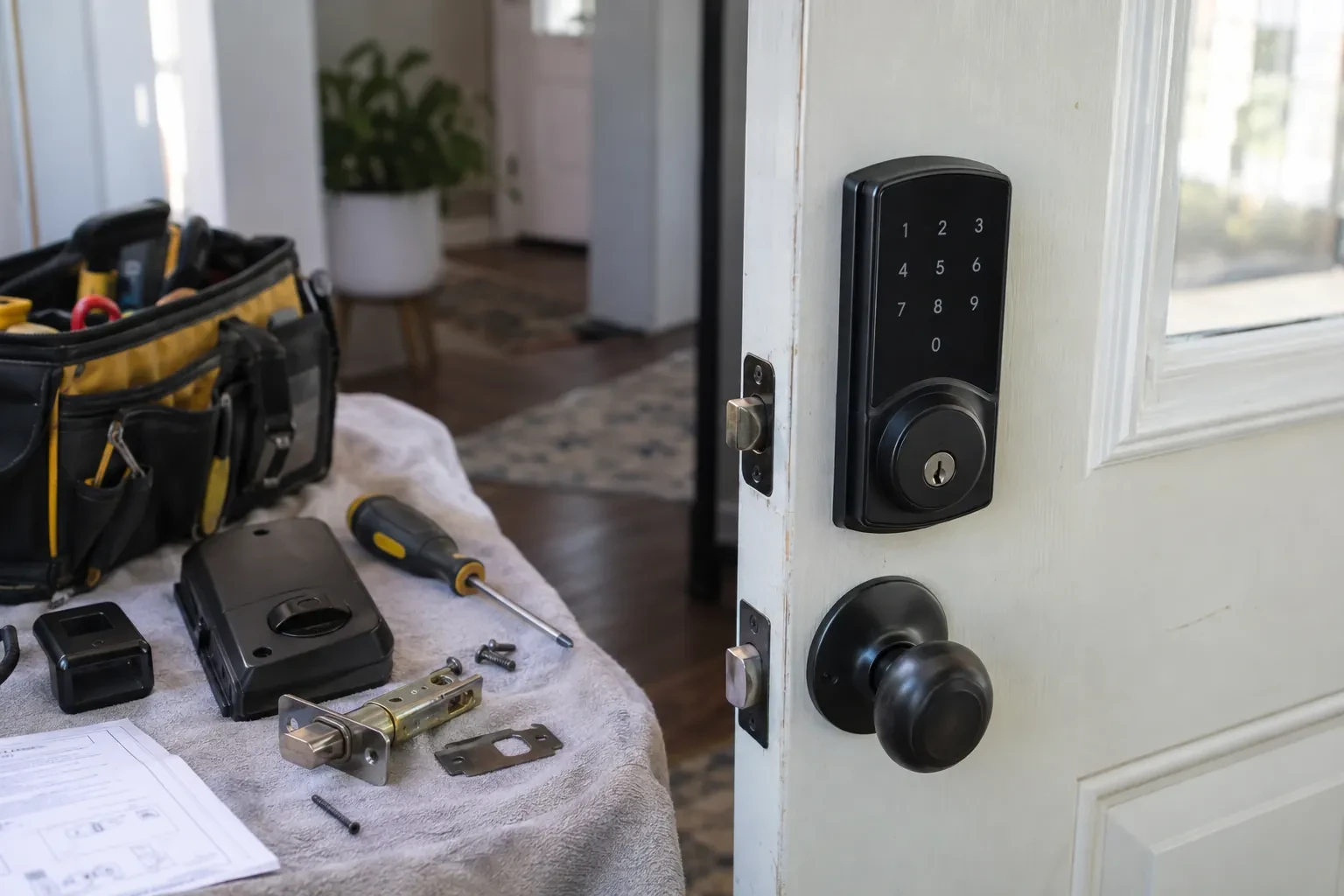
In the van
Hinges, pivots and shims
Dry graphite or PTFE lubricant
Strike plates and keepers
Key blanks and code cutter
Voltage tester for electric strikes
Gate & Building Entry Locks
What affects the quote
Type and grade of the gate or door lock
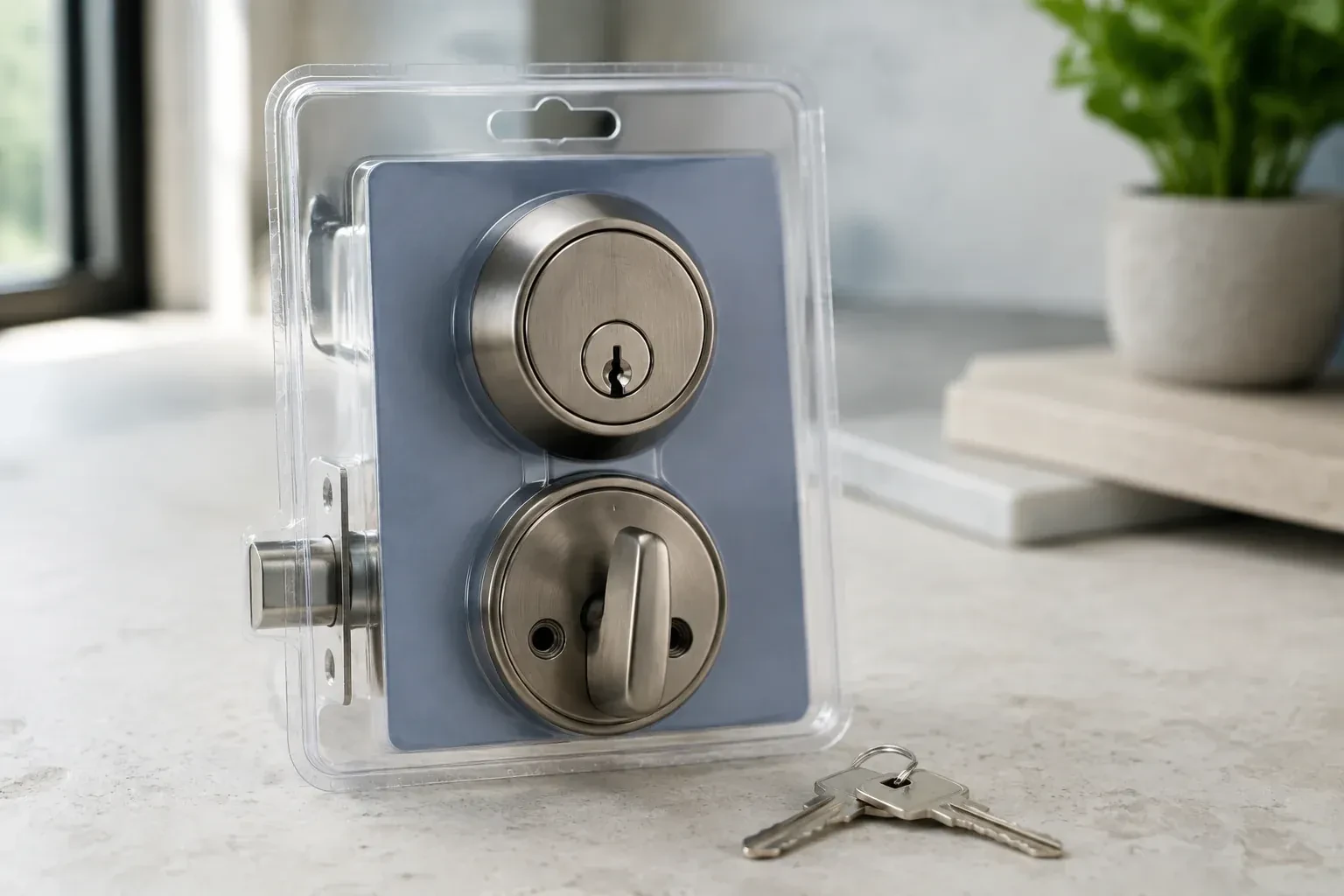
A basic surface-mounted gate latch, a weather-rated cylinder, a mortise case and a panic device on a building entry each take different parts and different amounts of time to service, and that difference is reflected in the quote.
Materials the gate or frame is built from
Wood, wrought iron, aluminum and vinyl gates each take fasteners and mounting approaches suited to that material, and matching the lock and closer correctly to the gate's construction is part of what the quote covers.
Whether keys need coordinating across doors
Rekeying a single lock is one task. Bringing several gates or a shared entry onto one common key, or setting up a master key arrangement across a property, adds planning and cylinder work beyond a single rekey.
What to have ready
- Does the entry have a buzzer, keypad or electric strike?
- Is this a single household gate or a shared building entry?
- Is there any sign the gate or lock was recently forced?
Gate & Building Entry Locks: questions
QuestionsShould I choose a padlock or a built-in gate lock for a new gate?
A padlock through a hasp is simple to fit to almost any gate and easy to rekey or swap later, which suits a gate that gets occasional use or belongs to more than one type of user, such as a shared laneway. A built-in gate lock with its own latch and cylinder tends to suit a gate used daily, since it operates with one motion instead of fitting and removing a separate padlock each time. Either can be paired with a closer if the gate should shut on its own.
My key snapped off in the gate lock. What now?
The broken piece is removed with extraction tools shaped to grip and draw it out, rather than forcing it further in, and the door or gate is then opened using the remaining portion or by working the cylinder directly. Afterward the locksmith checks why the key broke, since a healthy cylinder rarely snaps a key on its own; a stiff or corroded plug is a common cause outdoors. A fresh key is cut from the code or a clean original rather than a worn copy.
Why does my gate lock stick every winter?
The usual cause is meltwater getting into the keyway during a thaw and refreezing overnight, which stiffens the plug or blocks it outright, along with cold thickening any grease left inside from the factory. Road salt tracked onto ground-level hardware adds corrosion on top of that. A cylinder treated with the lubricant its maker specifies, kept clear of standing water, generally handles a winter far better than one left as it came, and a weather-rated replacement, kept up the same way, holds up better once the current one is pitted.