High security · Brown's Corners
High Security Locks in Brown's Corners
The restricted keys you bought years ago are no longer restricted; the locksmith mentioned the patent has run out and blanks are sold openly.
In plain words
High security locks are cylinders and deadbolts designed to defeat the methods used against ordinary doors. Inside the cylinder a second locking mechanism, usually a sidebar released by finger pins or rotating pins, has to be satisfied at the same time as the normal pin stack, which is what stops picking and bumping. Hardened steel inserts stop drill bits. The bolt is thicker and carries a hardened pin against sawing, and a reinforced strike ties the lock into the wall framing. Just as important, the key is cut on a patented blank that only an authorised person can have copied, so your key count stays known.
How the visit goesYou have lost count of how many people have had a key to your house over the years: cleaners, a contractor, a former partner, the previous owner's family. The lock still works, but you no longer know who else it works for.
High Security Locks
How the visit goes
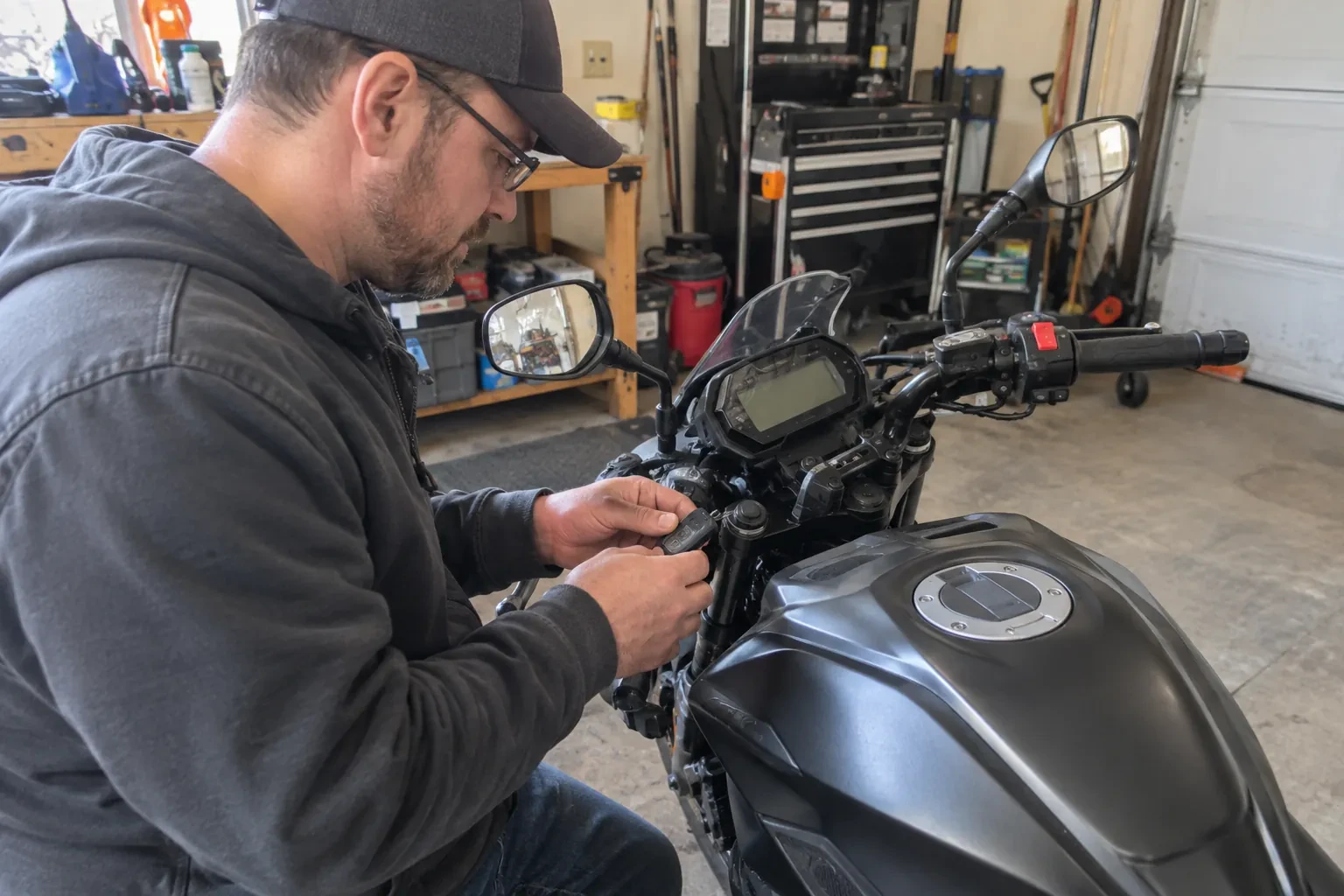
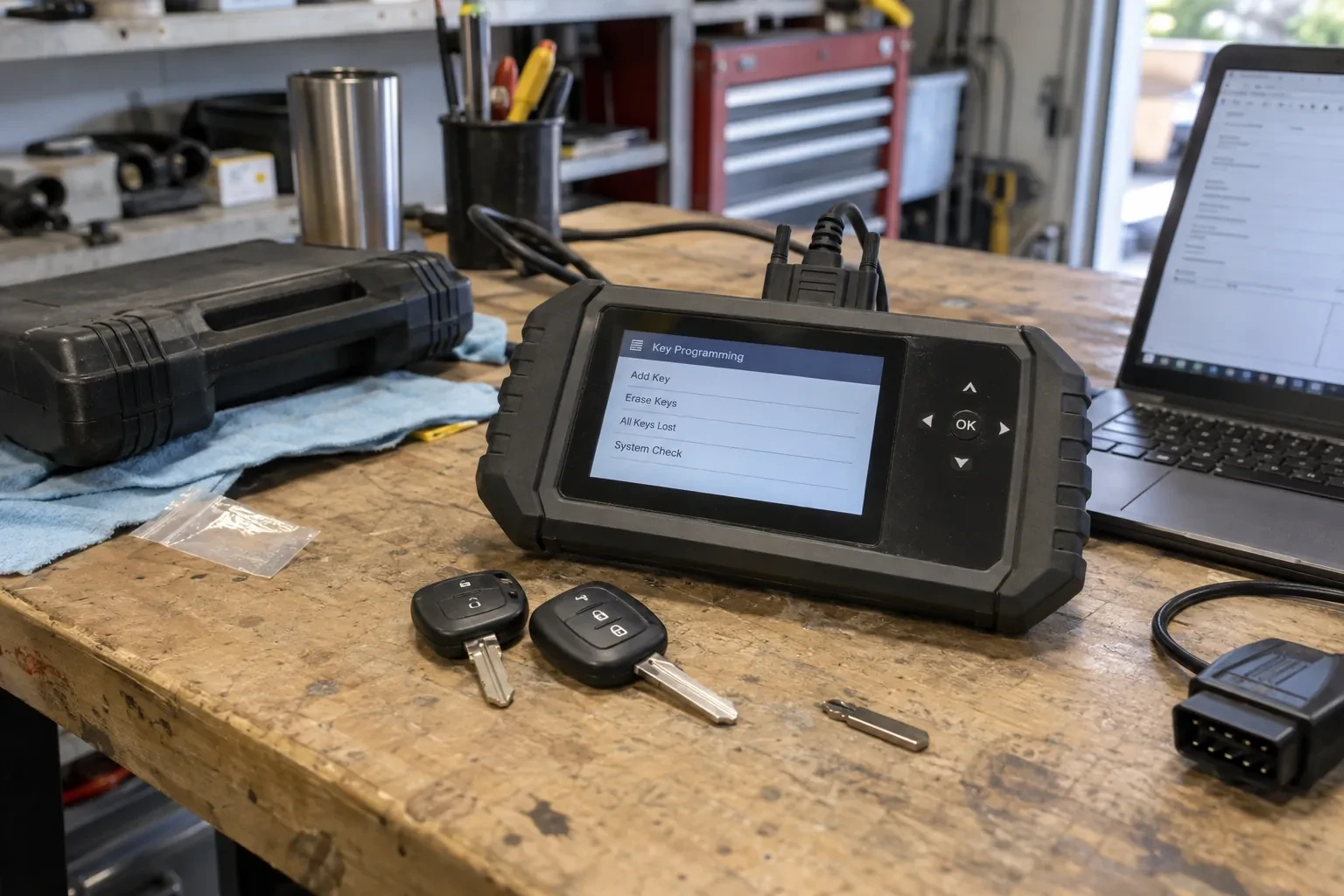
Door, hinges and what surrounds them
The door itself is inspected as part of the lock. Hollow-core doors, thin panels beside the lock, and hinge screws that barely bite into the frame all undo the value of a strong cylinder. The locksmith checks how the door hangs, whether it drags or needs a shoulder to close, and whether the hinges are on the secure side. Glass close to the lock is noted, because a hand through a broken sidelight can reach an inside thumb-turn. None of this rules out an upgrade; it shows which supporting pieces belong in the plan so the whole opening is brought up together.
Testing the whole assembly
The finish is a methodical test. Every key is cycled in every lock from both sides, with the door open and then closed and latched. The bolt is watched entering the strike pocket to confirm it throws fully and does not drag. The door is pushed and pulled while locked to feel for play at the strike or hinges. Cylinders receive a dry lubricant approved for their mechanism. Then the locksmith walks you through the operation, the key control documents and the record of hardware fitted, so you know both how to use the door and how to order the next key.
Watching the patent calendar
Patented keyways protect you for as long as the patent lasts. When it expires, blanks may be sold openly and the copy-control layer weakens, though the mechanical resistance of the cylinder stays. The locksmith notes the patent term of your system at handover so the date is not a surprise. Many years before it arrives, the same hardware can usually be moved to a newer patented keyway by changing cylinders and keys while the lock bodies stay. Treat it like a roof: nothing needs doing for a long while, but the date is written down.
High Security Locks
In the van
Box strike
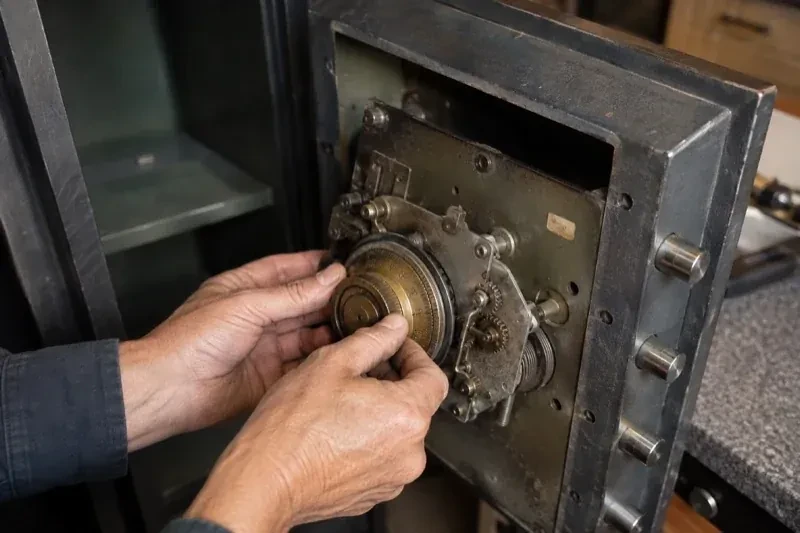
Commercial mortise lock body
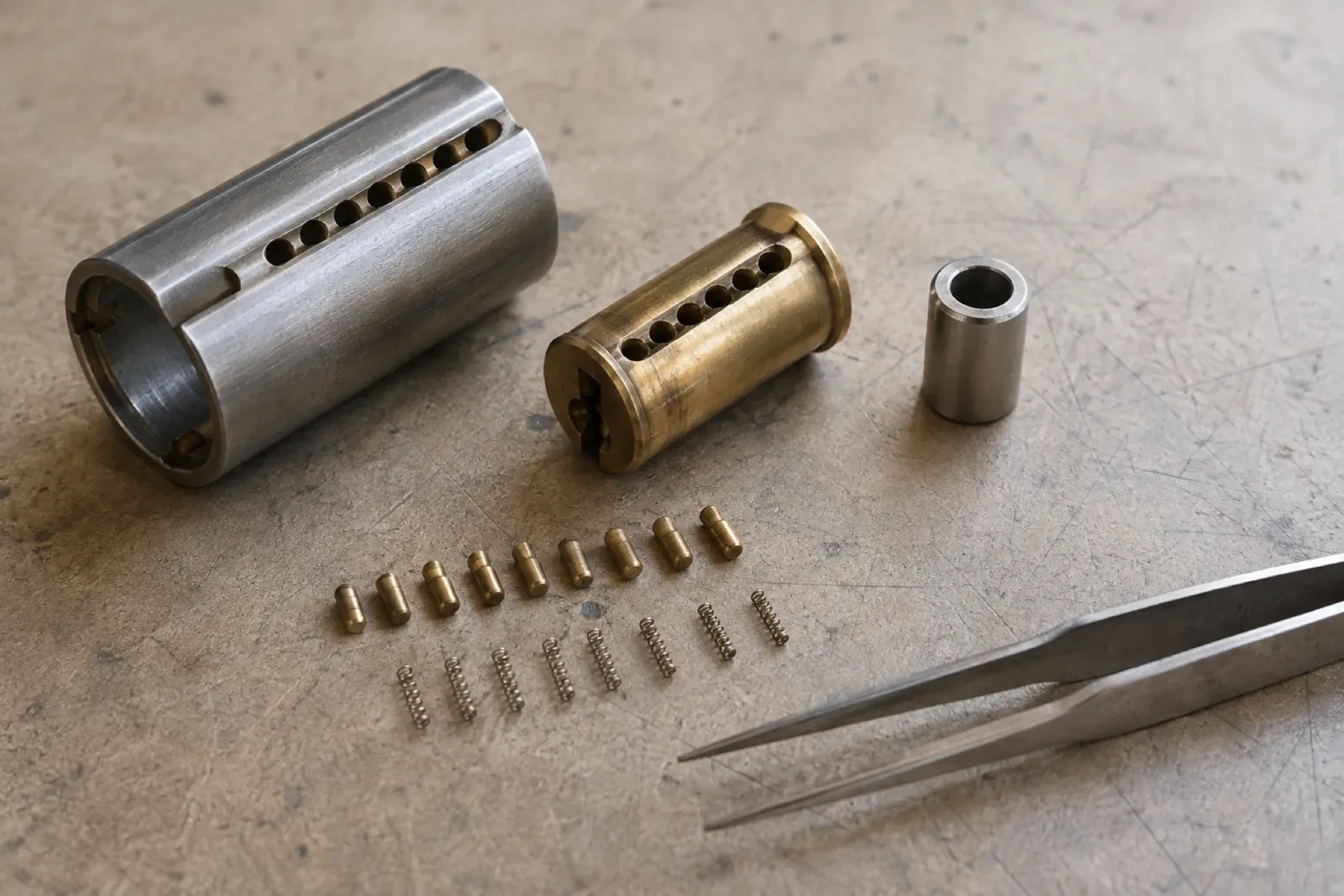
Pinning kit and plug follower
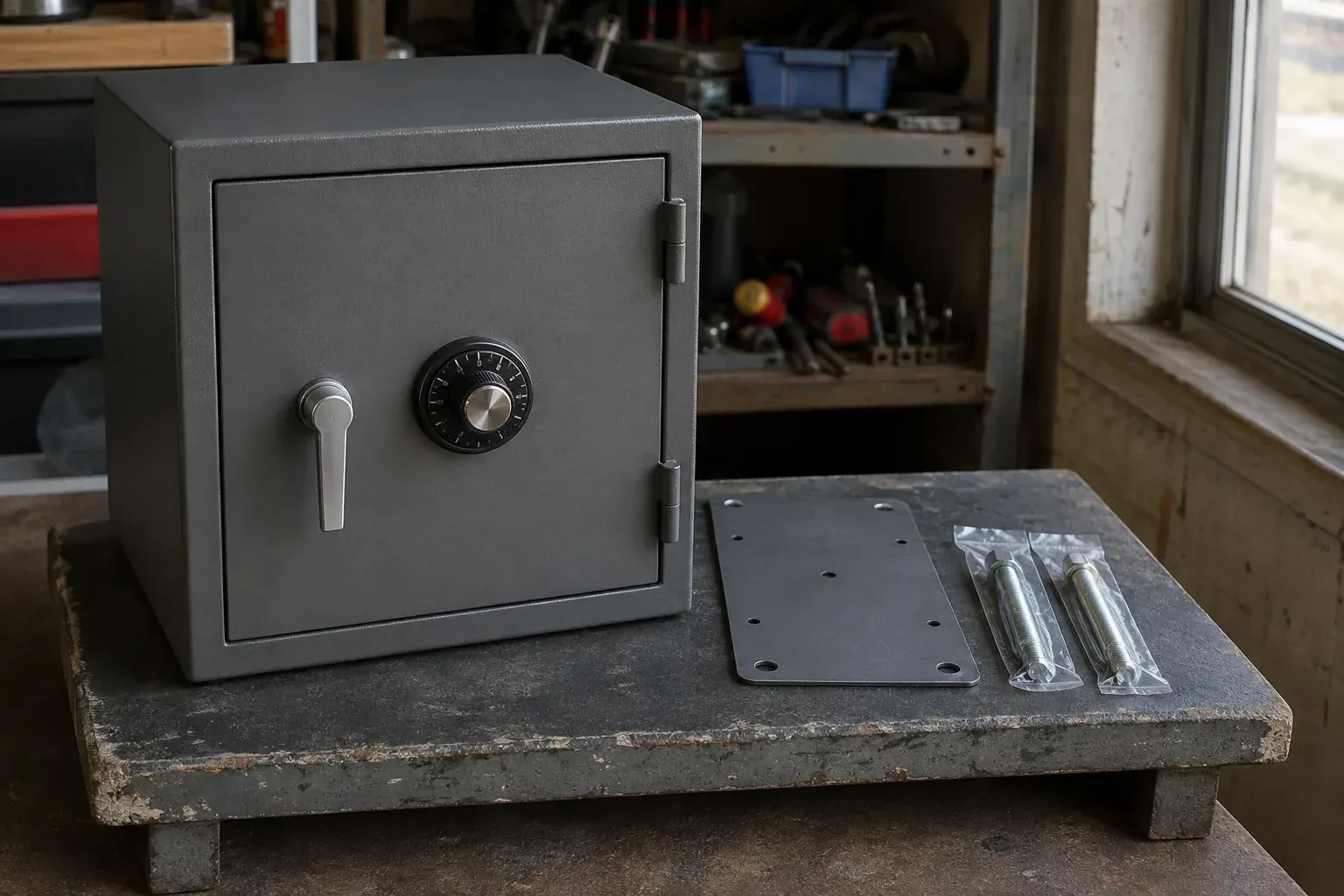
Graded deadbolt with hardened bolt
High-security cylinder
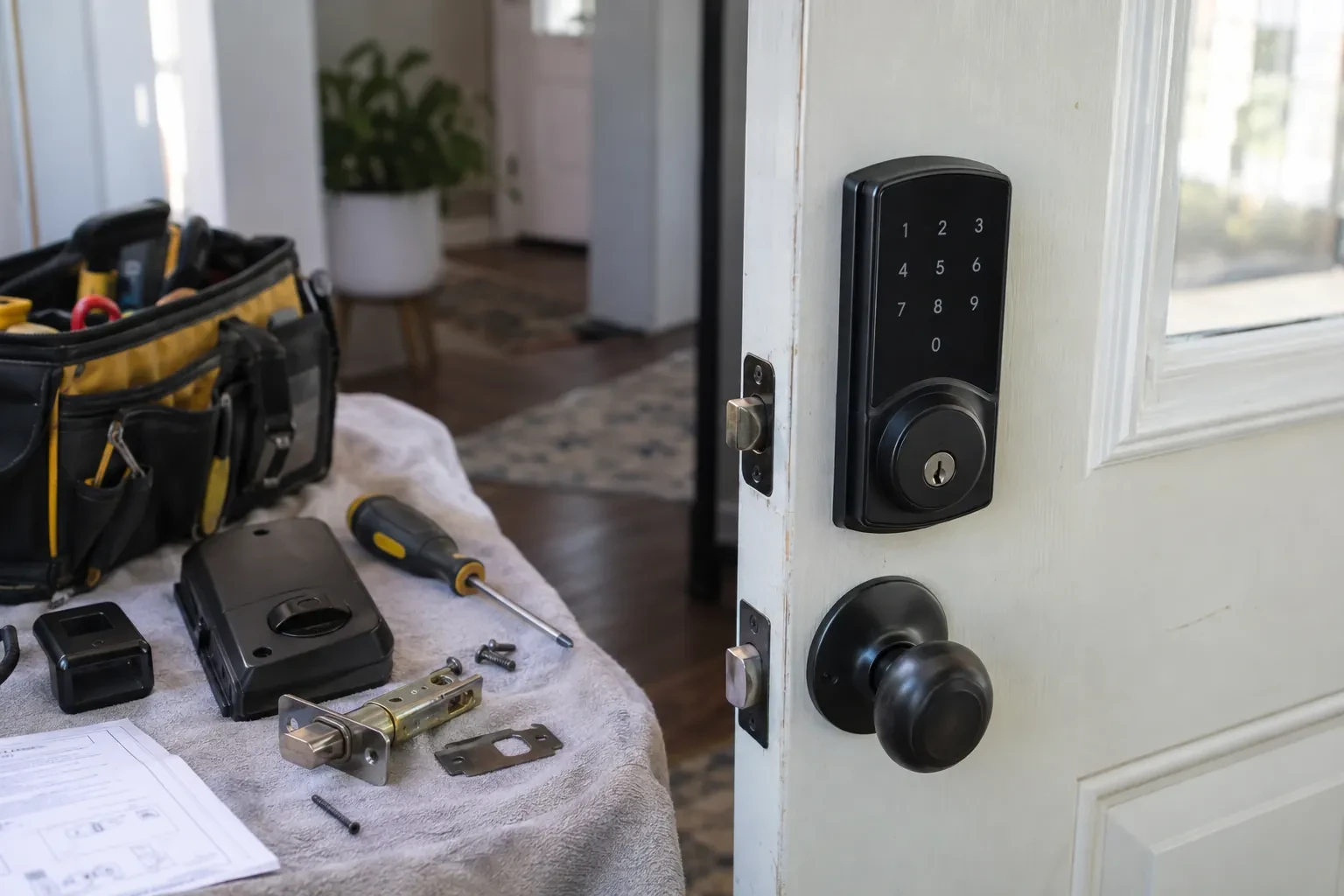
High Security Locks
What affects the quote
Number of doors
Each door gets its own cylinder or lock, strike work and testing. Several doors on one keyway share the setup cost of the key system but add hardware and time per opening.
Cylinder only or full deadbolt
Swapping the cylinder inside a sound deadbolt is a smaller job than fitting a new graded deadbolt through the door, and a knob-only door that needs a fresh bore is bigger again.
Cylinder rating and format
A patented residential cylinder, a laboratory-rated commercial cylinder and an interchangeable core sit at different points on the scale, and the format that fits your present hardware decides which lines are available.
What to have ready
- Which locks are on the door now: knob only, knob and deadbolt, a mortise lock or a lever?
- Is this a house, condo, rental unit or business premises, and do you own or manage it?
- For a business, who should be allowed to authorise new keys?
High Security Locks: questions
QuestionsWhat does key control mean in practice?
It means your key can only be copied through the locksmith who manages your system, after checking that the person asking is on your list of authorised names. Blanks for the keyway are not sold to hardware stores or kiosks while the patent lasts. Each key is numbered and recorded, so you know how many exist. For a home that ends the worry about old copies; for a business it turns a lost staff key into a known, manageable event.
What about the glass panel next to my front door?
A sidelight within reach of the inside thumb-turn is the weak point of an otherwise strong door, since a broken pane lets a hand reach the turn. Options include moving the deadbolt further from the glass, a lock function that needs a key inside as well, or a laminated pane. Because everyone must still be able to leave easily, the locksmith talks through the trade-offs and helps you pick the arrangement that suits your household.
What happens when the patent on my keys runs out?
The mechanical resistance of the cylinder does not change, but blanks may become openly available, so copy control weakens. Manufacturers issue new patented keyways as older ones expire, and the usual answer is to move to the next generation by changing cylinders and keys while keeping the lock bodies. Your locksmith notes the patent term at handover so the date is on the calendar rather than a surprise years later.