Lockouts · Brown's Corners
Business Lockout Service in Brown's Corners
After last night's power flicker the card reader beside the clinic door shows nothing.
In plain words
Heavy commercial doors move, and a good share of business lockouts are really door problems. A glass storefront door hangs on pivots or a continuous hinge that wear with thousands of openings a week, and once the door drops a few millimetres the hookbolt or latch binds against its strike. A hydraulic closer that has stiffened in the cold or lost its adjustment leaves a door that never latched properly the night before. Part of a lockout visit is reading the door: lifting it back into line, adjusting the strike and closer, and making sure the lock is asked to do only what a lock should do.
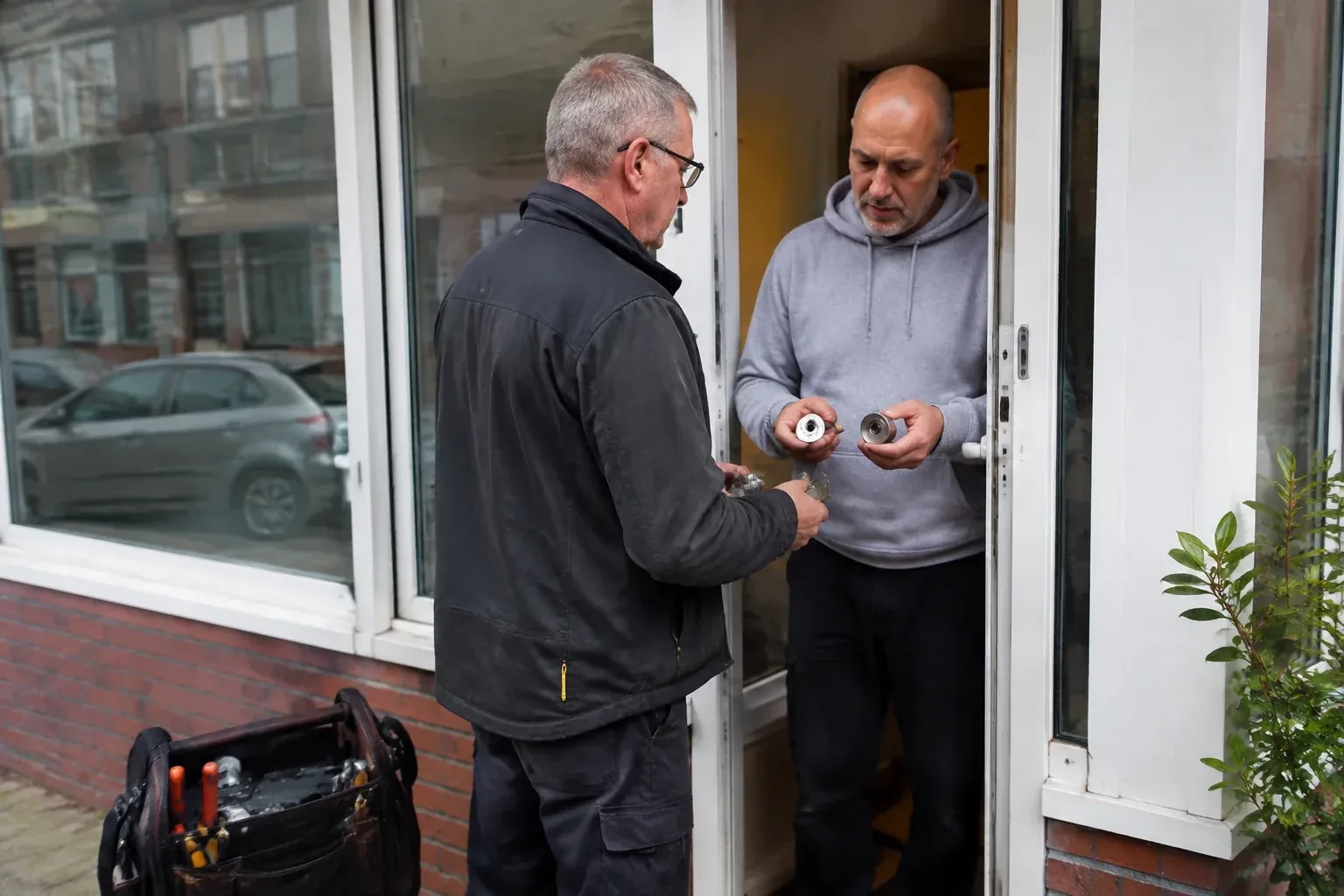
How the visit goesThe heavy glass door has been scraping the threshold for weeks. This morning the key turns, you can hear the bolt trying to move, but it is jammed hard in the strike and the door stays shut no matter how the handle is pulled.
Business Lockout Service
How the visit goes
How the door hangs and closes
Commercial doors are heavy and busy, so the locksmith reads the door as carefully as the lock. A glass door is checked at its pivots or continuous hinge for drop and play, and at the threshold for scrape marks that show it has sagged. The closer is checked for a slow or stiff sweep that leaves the door short of the strike. The gap along the lock edge tells whether the bolt is entering its pocket square or catching its lip. A hand on the door while the key is turned often reveals that the bolt is bound rather than the cylinder failed, which changes the fix from lock work to lifting and adjusting the door.
Making an unreturned key useless
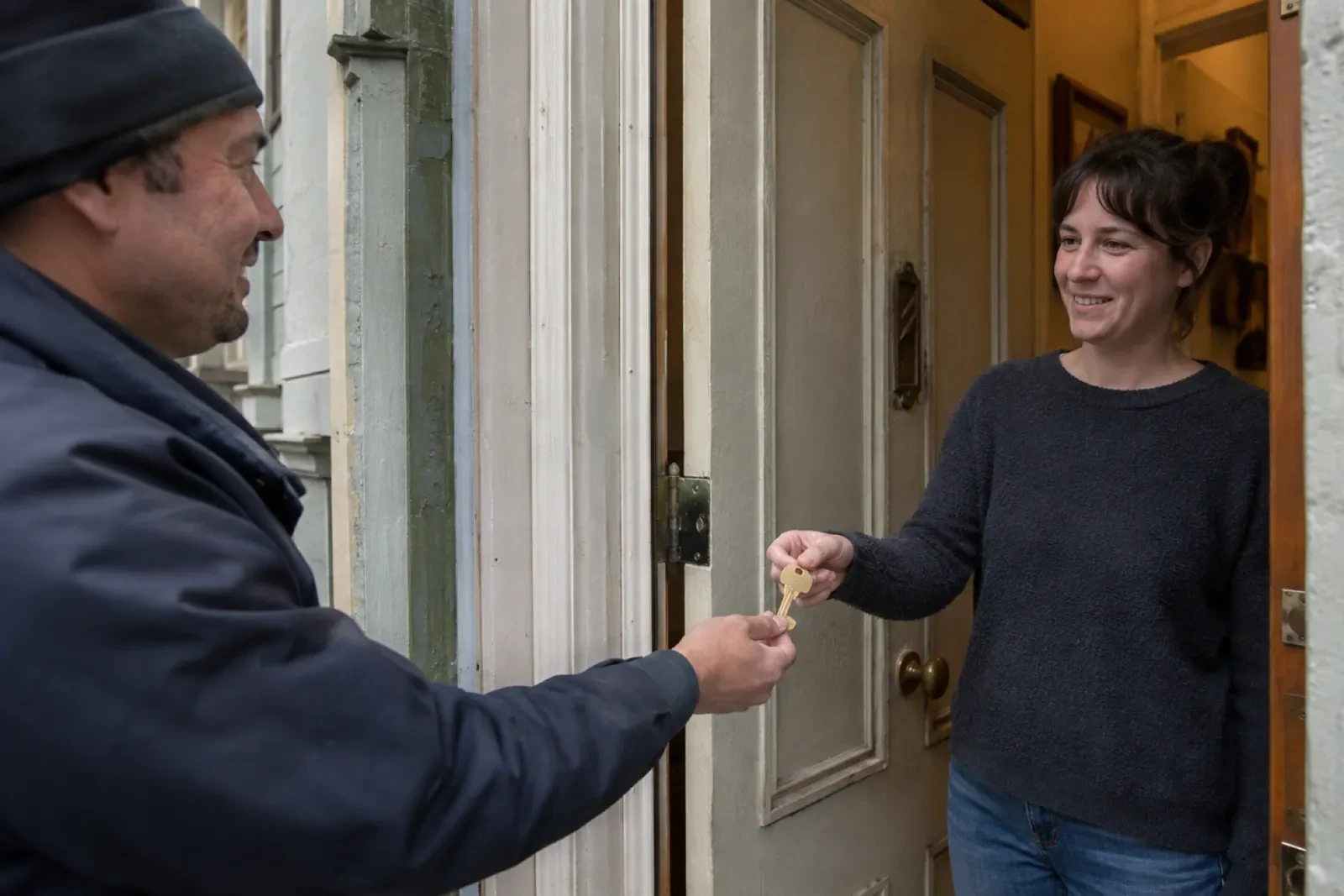
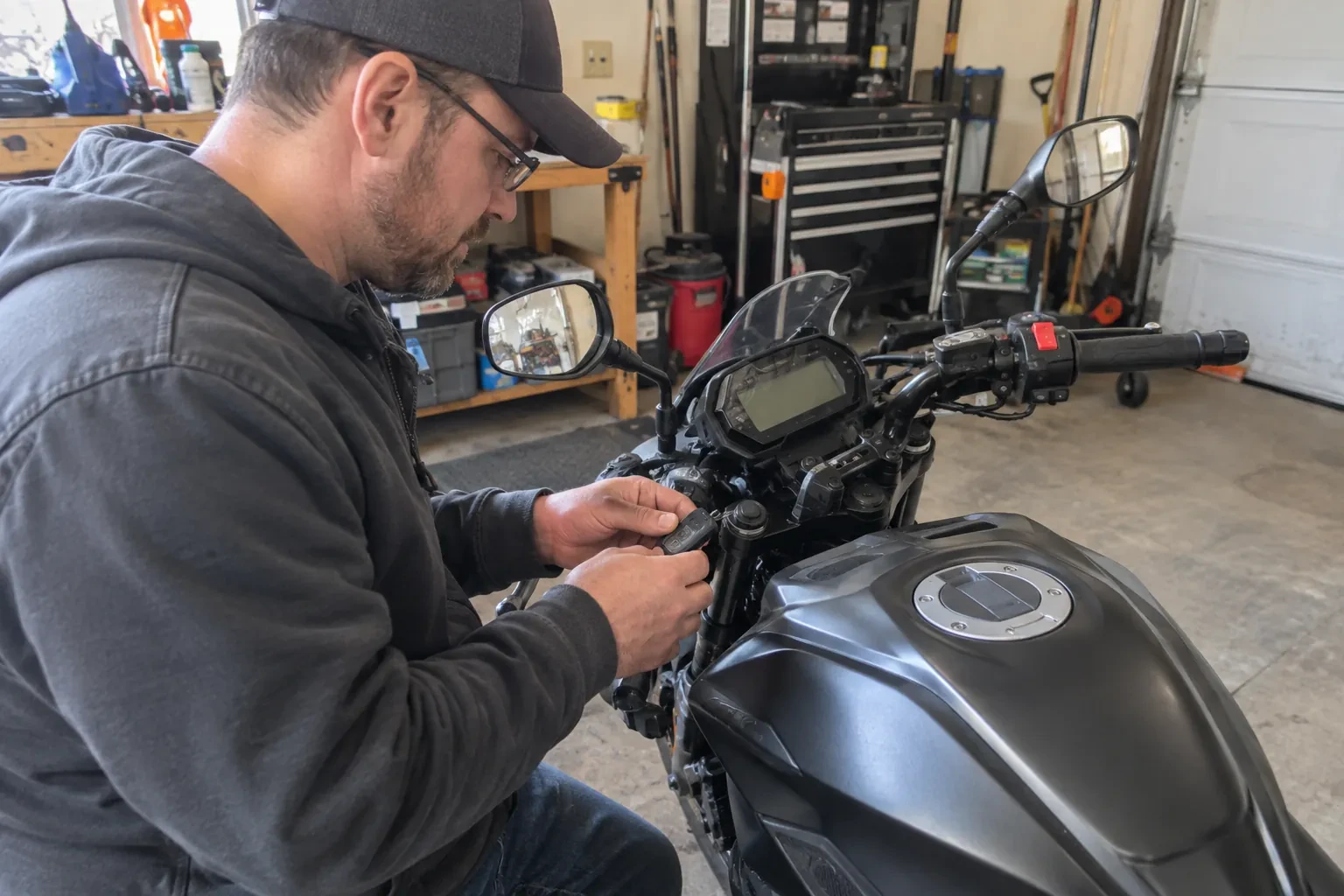
When a key is lost or unreturned, the second half of the visit is rekeying. Mortise and rim cylinders are removed, the plug slid out with a follower, and the bottom pins changed to a new combination so a fresh key operates them and the old one turns nothing. Where the building uses interchangeable cores, the core is swapped for one on a new combination. Cylinders that shared the old key are brought onto the new one, and if the door sits within a master key system the change is planned with the property manager so building keys keep working. New keys are cut, tested in every door and recorded against named holders.
A door that swings, closes and latches properly
If the lockout began with a dropped door or a tired closer, the door itself is left in better shape than it was found. Pivots or the continuous hinge have been adjusted so the door hangs square, the strike has been dressed or repositioned so the bolt enters cleanly, and the closer's sweep and latching speeds have been reset so the door shuts and catches on its own without slamming. Heavy traffic doors drift again over time, so a glance at the threshold for fresh scrape marks and a listen for the latch catching each evening are worth building into the closing routine. Catching drift early keeps a lock from being blamed for a door.
Business Lockout Service
In the van
Interchangeable cores pinned to system
Storefront deadlatch and hookbolt bypass tools
Broken key extractors
Key blanks and code cutter
Replacement mortise and rim cylinders
Business Lockout Service
What affects the quote
How many doors are involved
One front door is the simplest visit. A front door, a rear exit device, a roll-up padlock and a cash office add hardware to open and, often, cylinders to key alike afterwards.
Keys cut and recorded
Each new key is cut and counted individually. Two for the owners and four for the opening staff is a different line from one spare, and restricted blanks are priced above ordinary ones.
Distance and access to the door
Travel is part of every call-out, and so is reaching the door: a plaza unit at street level, a suite behind a locked lobby, or a loading dock at the back of an industrial park each take a different amount of the locksmith's time.
What to have ready
- Is anyone able to reach the owner, head office or property manager to confirm the request?
- Does the door use a card reader, keypad or intercom, and is it showing any lights?
- Where are the keys: with an absent keyholder, lost, broken in the lock, or turning without effect?
Business Lockout Service: questions
QuestionsWhat is a restricted keyway and is it worth having for a business?
A restricted or patented keyway is one whose blanks are supplied only through the manufacturer's authorised channels, so duplication is controlled rather than available at an ordinary counter, though the exact authorisation step varies by program and is not always a signed letter. For a company with staff turnover, cleaners and contractors, it means the keys in circulation are far easier to track. It can be introduced during a rekey, on the exterior doors only or across the whole premises, and works alongside a key register.
Will we get something in writing afterwards?
Yes. The visit closes with a written account of which door was opened and how, the condition the hardware was in, anything replaced, the number of keys cut and who received them. Landlords ask for it when locks on a unit change, insurers after a loss, and franchise head offices as a matter of course. Keep it with the lease; it also tells the next locksmith exactly what is on your doors.
My key turns all the way but the door stays locked. What has failed?
Usually the link between the cylinder and the bolt. On a storefront lock the cam behind the mortise cylinder can wear or slip out of position; on a lever or mortise lockset the tailpiece or a spring in the deadlatch gives up. Your key is fine and so are the pins, so once the door is opened the fix is a new cam, tailpiece or latch, and your existing keys carry on working.
Related services
- Broken Key ExtractionThat key had been bending a little for years, and you kept straightening it.
- Break-In Damage Lock RepairThe back door looks closed until you touch it.
- Seized & Jammed Lock OpeningThe old mortise lock on the front door of the house turns the key halfway and stops with a dull clunk.